
Last updated October 31, 2026
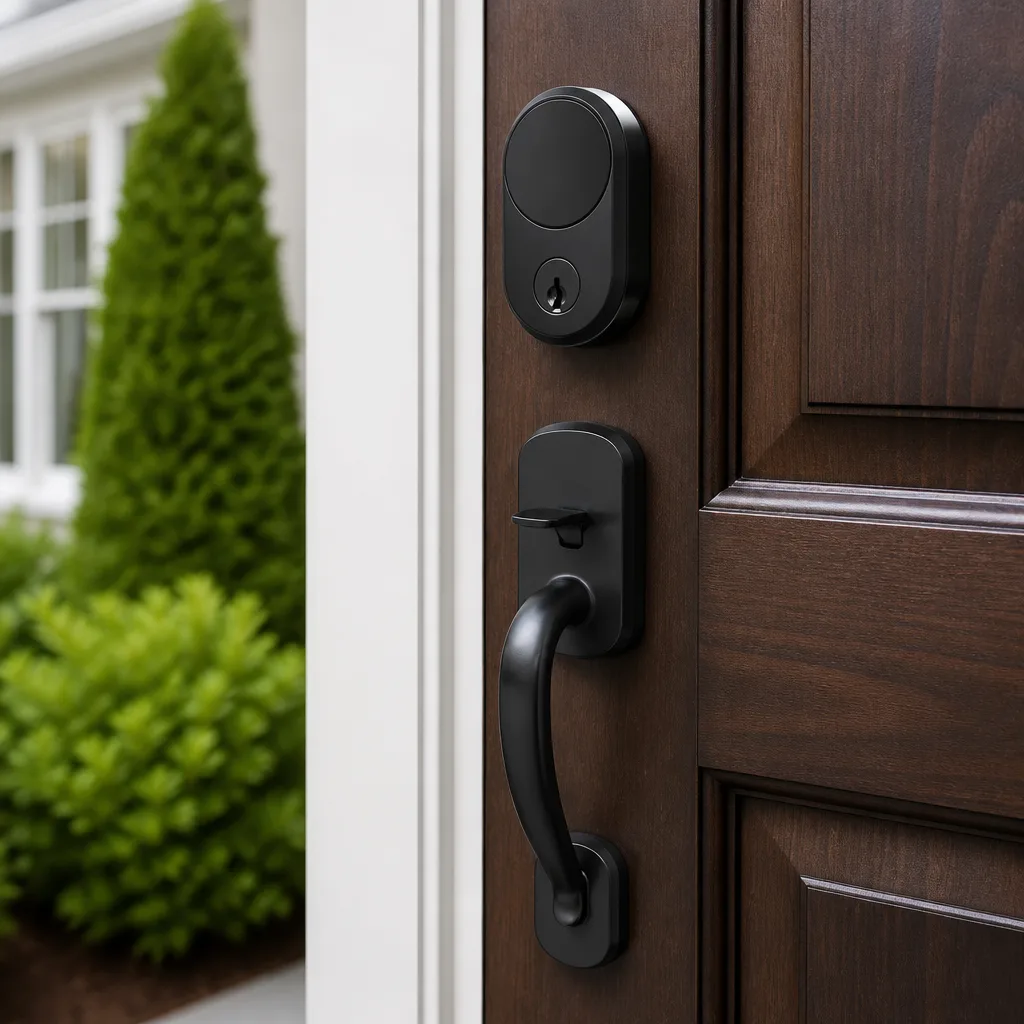 Smart locks
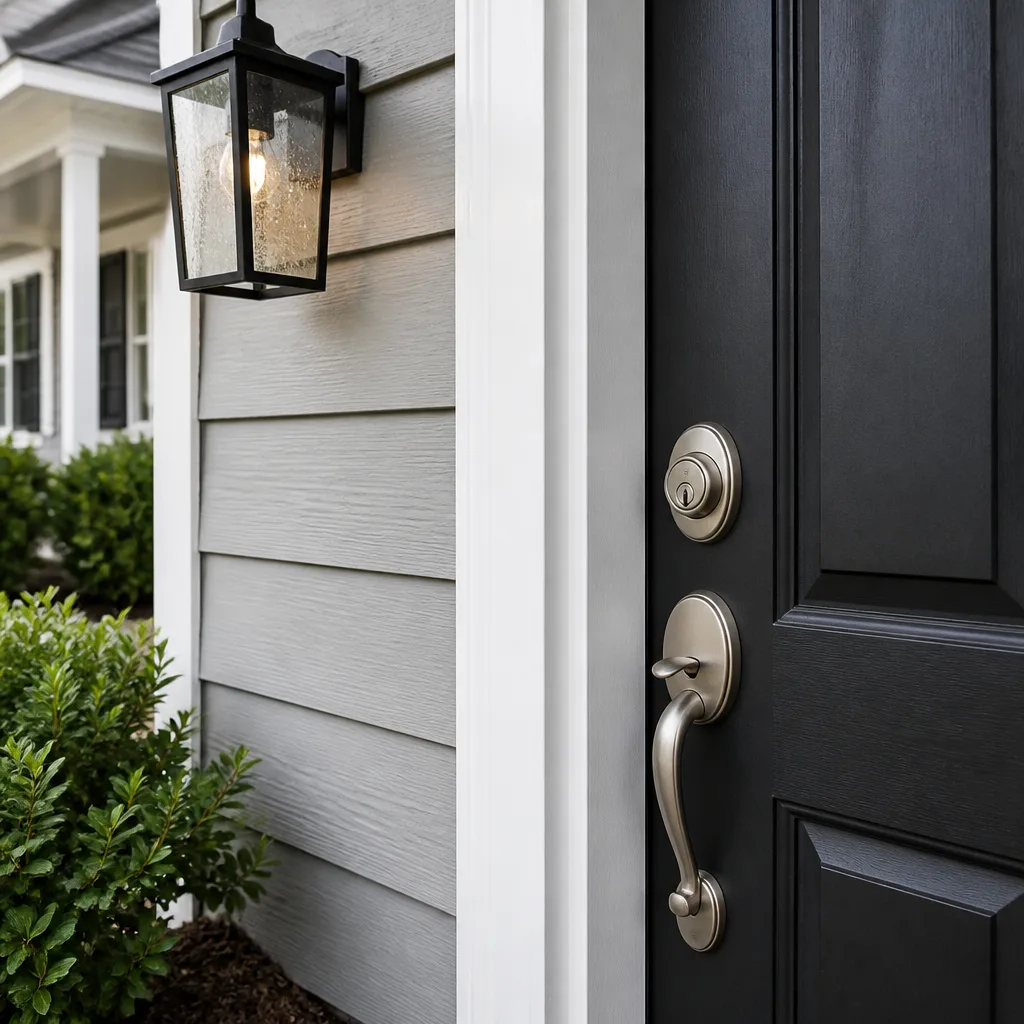 House lockouts
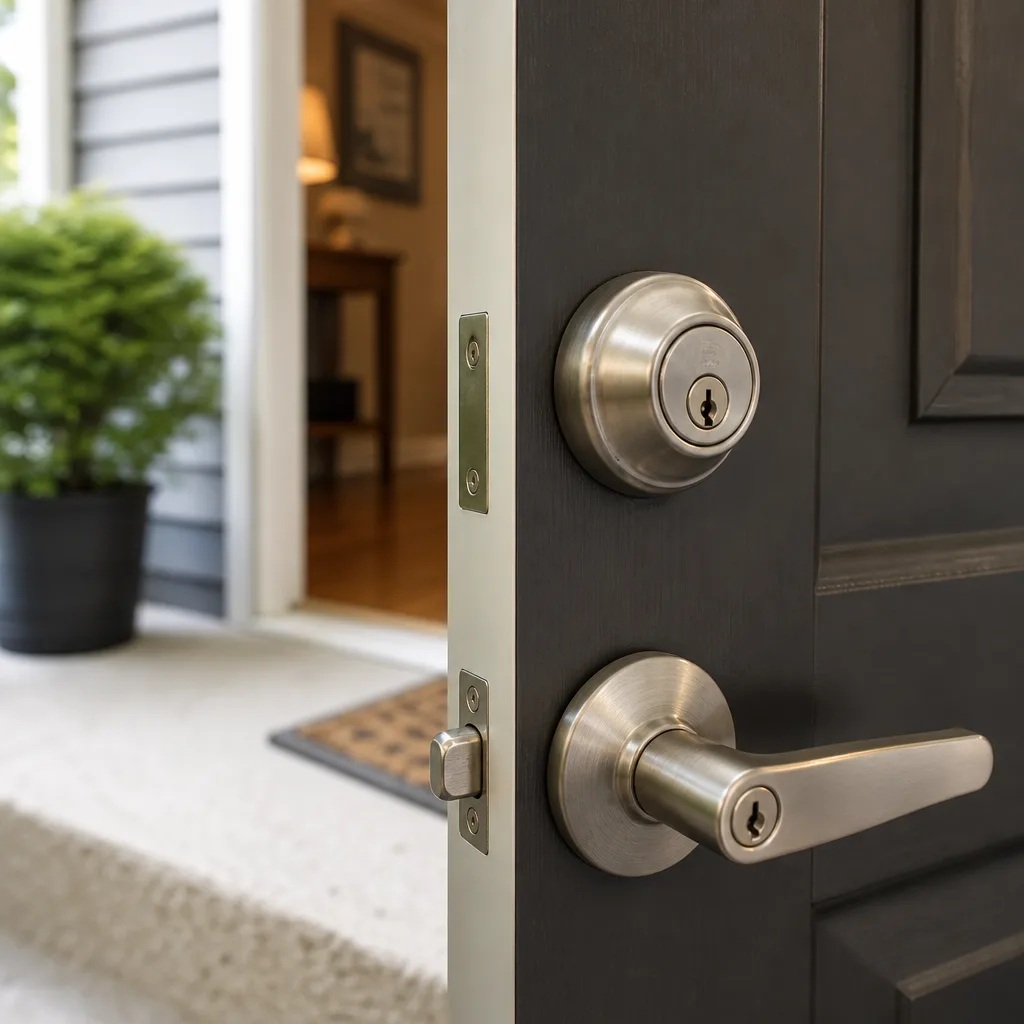 Re-keying
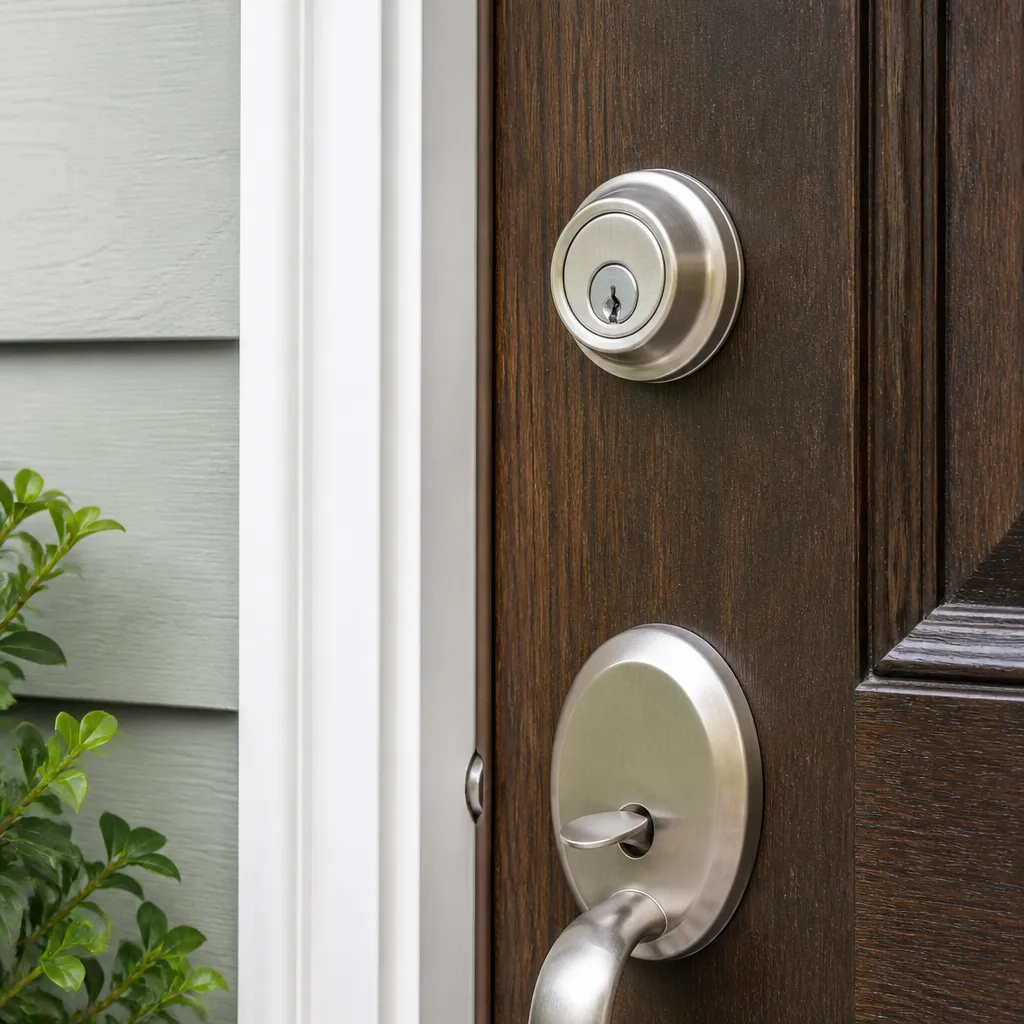 Deadbolt upgrades
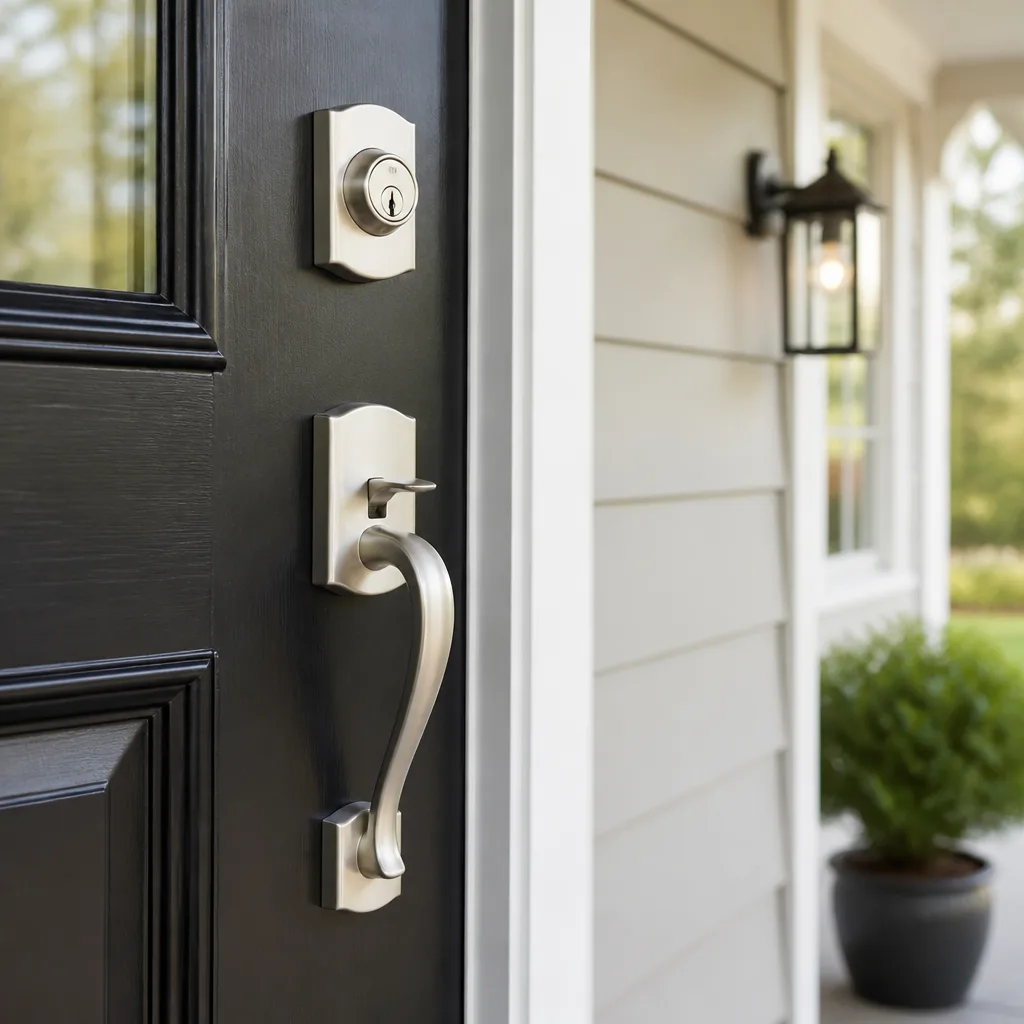 Schlage
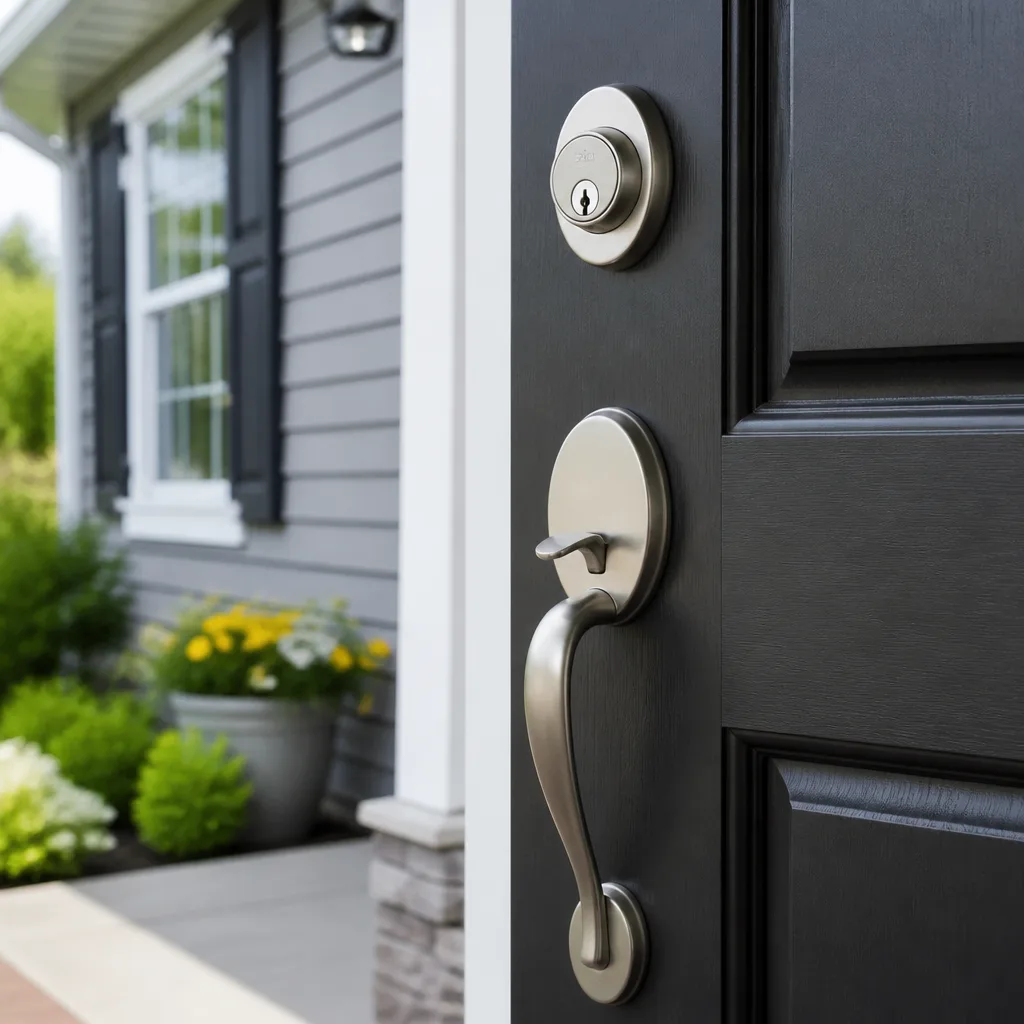 Kwikset
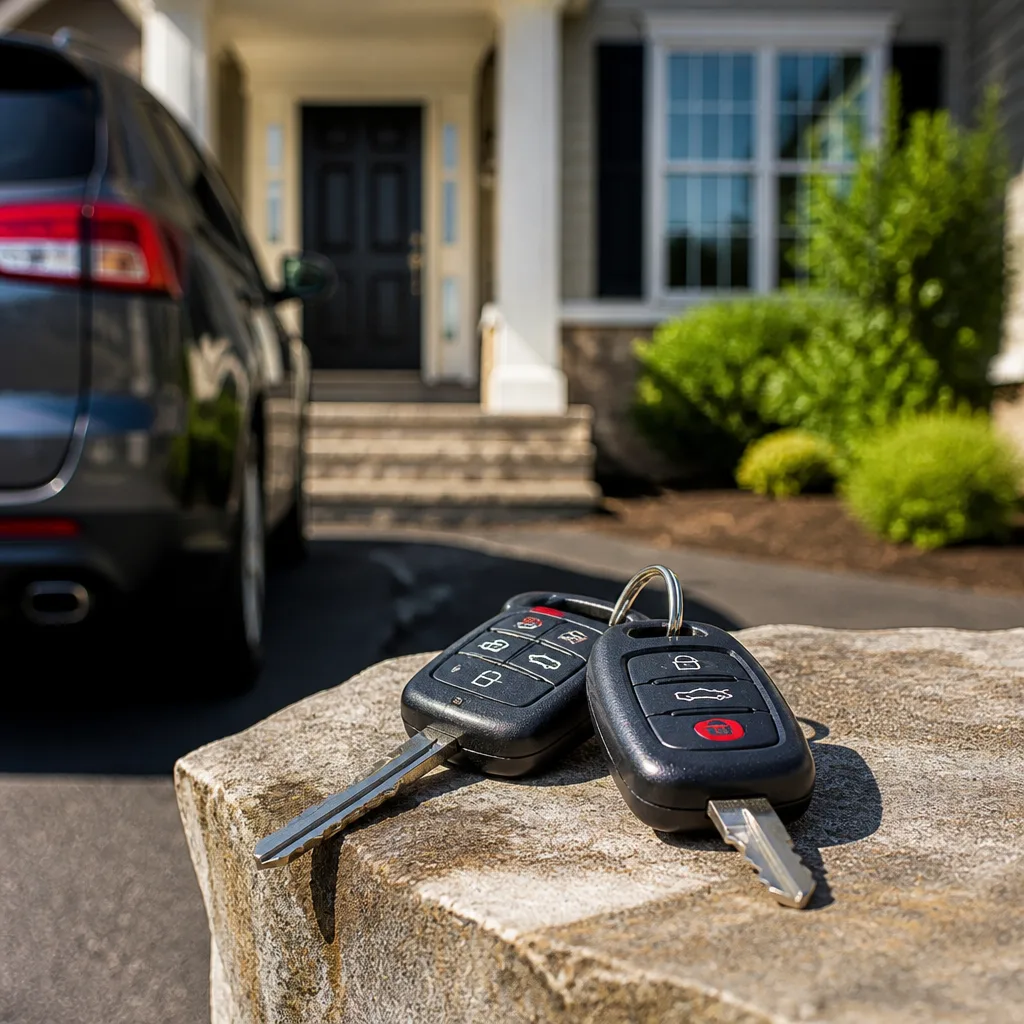 Car keys & fobs
Non-destructive entry first, always - and we re-key Schlage, Kwikset, and Baldwin locks on the spot while you watch
You get a price before we start. It does not change when we arrive. No surprises.
Get your free estimateChoosing the Right Locksmith Brand: A Buyer’s Guide for Portland
Schlage B60 and a Medeco M3 are both called “deadbolts” and both sell at retail. One can be bumped open with a $6 tool in under 30 seconds. The other has been independently tested to defeat bump, pick, and drill attacks for sustained periods, and it carries a keyway that requires proof of ownership before a duplicate can be cut. That gap, between hardware that looks serious and hardware that actually is, is what brand selection comes down to. Most Portland homeowners choose lock hardware the way they choose a light bulb: grab the familiar name off the shelf at the big box store in the Pearl District or off Powell Boulevard, take it home, done. But lock grade, cylinder design, and keyway restriction are the variables that actually determine whether your front door slows down an intruder or just gives them a predictable 30-second chore. This guide breaks down what those variables mean, which brands deliver what, and how to match hardware to your actual situation without overspending.
Quick Answer
For most Portland homes, a Schlage B560 deadbolt or better is a solid baseline that outperforms most entry-level hardware by a wide margin. If you want actual key control and meaningful resistance to bumping and picking, step up to a Medeco, Mul-T-Lock, or Abloy cylinder, all of which use restricted keyways and hardened internal components. The right answer depends on what you’re defending against, and that’s a conversation worth having with a locksmith who can speak to more than the Schlage and Kwikset aisle. For more perspective on how to evaluate those options, see our DIY vs Professional Locksmith: The Portland Homeowner’s Decision Guide.
Styles & brands we work with
Table of Contents
- What ANSI/BHMA Grades Actually Mean (and What They Don’t)
- Brand-by-Brand Positioning: What Fits Where in Portland
- Restricted Keyways: Why Key Control Matters as Much as the Cylinder
- The Door Frame Problem: Why a $200 Cylinder on a $12 Strike Plate Fails
- The Spec Conversation: Three Questions That Get You a Recommendation, Not a Pitch
- What Renters and Landlords in Portland Should Know About Brand Choice
- Common Mistakes to Avoid
- When to Call a Professional
What ANSI/BHMA Grades Actually Mean (and What They Don’t)
The American National Standards Institute, working with the Builders Hardware Manufacturers Association, grades locks on a scale of 1 to 3. Grade 1 is the highest, Grade 3 is the lowest. That sounds simple. It isn’t. What the grade actually tests is durability under specific laboratory conditions: how many cycles the lock can complete before it fails, how much force the deadbolt resists before the door opens, how the finish holds up under simulated weather. A Grade 1 lock must survive 250,000 cycles, while a Grade 3 lock only needs to hold up for 200,000. The bolt strength test applies 360 pounds of force for Grade 1 and 180 pounds for Grade 3.
Here’s what the grade does not test. It does not test pick resistance in any meaningful way. It does not test bump resistance. It does not test whether the keyway can be duplicated at any hardware counter without proof of ownership. It doesn’t account for cylinder complexity, drill protection, or the presence of side pins. In other words, the grade tells you how long the lock will keep working. It tells you almost nothing about how hard it is to defeat.
This is why a Grade 1 Kwikset and a Grade 1 Medeco are not comparable despite both wearing the same certification tier. The Kwikset might be a durable, well-built residential lock that will open and close for decades. The Medeco, built around a high-security cylinder with hardened steel inserts and a restricted keyway, sits in an entirely different category of resistance. Both get a “1” on the packaging. Only one is designed to defeat a determined attack.
In Portland, where a lot of the housing stock runs from early-1900s Craftsman bungalows in Sellwood and St. Johns to mid-century ranch houses in East Portland and newer construction in Happy Valley and Bethany, you see the full range. A 1915 door with a wobbly frame and a visible gap at the strike plate isn’t going to be saved by any lock, no matter what grade it claims. Meanwhile, a newer door with a reinforced frame can actually let a high-grade lock do its job. The lock is one component in a system, and the grade is one data point about that component.
Brand-by-Brand Positioning: What Fits Where in Portland
Different brands have different sweet spots. Understanding those sweet spots is what lets you match hardware to your actual life, not to a marketing brochure. Here’s how the most common residential brands break down in practical terms.
Kwikset: The Rental and Budget Workhorse
Kwikset dominates the entry-level residential market. It’s affordable, available everywhere, and easy to install. The SmartKey cylinder, which lets you rekey the lock yourself without removing it from the door, is genuinely useful for landlords and property managers who turn units frequently. But the standard Kwikset keyway is not restricted, the cylinders are not meaningfully bump-resistant, and the physical construction is geared toward price point more than attack resistance. For a spare bedroom door, a storage closet, or an interior office door, Kwikset is a perfectly reasonable choice. For a street-facing entry door on a Portland home where you keep your family and your gear, most security professionals would recommend stepping up.
Schlage: The Solid Baseline
The Schlage B-series, particularly the B560 deadbolt and the B660, is the most common recommendation for Portland homeowners who want one meaningful step above builder-grade without spending hundreds of dollars. The B560 pairs a Schlage cylinder with a Grade 2 rating and a hardened steel anti-saw pin. The B660 takes it to Grade 1 with a full steel core and a thicker bolt. Compared to a Kwikset, the Schlage cylinder has a slightly more restrictive keyway profile and better tolerance for weather swings, which matters in Portland’s rainy winters when locks that never get lubricated start to stiffen up in neighborhoods like Multnomah Village and Montavilla.
Schlage also crosses into higher territory with its Primus line, which adds a secondary sidebar pinning system that requires specialized blanks. That puts you into key control territory at a lower price than the dedicated high-security brands. For many Portland homeowners, Schlage B-series or Primus is the point where the price-to-resistance curve levels off.
Yale and Baldwin: Finish, Feel, and Fit
Yale has a long history in the commercial space and produces solid residential hardware. Its cylinders are well made, and the brand has generally better tolerances than Kwikset at the same approximate price band. Baldwin, on the other hand, is primarily a decorative hardware brand. The finish, weight, and visual presence of a Baldwin handle set are the reason people buy it. The underlying cylinder is serviceable but not the point. If you’re restoring a 1920s Irvington Colonial and you want the lock to look like it belongs on the door, Baldwin earns its price. Just understand that you’re paying for finish, not for bump resistance, and plan the security side separately.
Medeco: When Key Control Is a Requirement
Medeco sits at the top of the residential high-security stack. The M3 cylinder uses a sidebar with angled pin cuts that make bumping nearly impossible and picking extraordinarily difficult. More importantly, Medeco keys are protected by patent. You can only get duplicators through authorized Medeco dealers, and key blanks are not available to the general public. In practical terms, that means a Medeco deadbolt on a Portland home removes the most common vulnerability in a standard lock: someone taking your key to a hardware store kiosk and walking out with a working copy. For homeowners who’ve had a break-in, a stalking situation, or a falling-out with a roommate, that key control matters more than any drill plate.
Mul-T-Lock and Abloy: The Alternatives Worth Knowing
Mul-T-Lock uses a telescoping pin system that has a strong track record against picking and bumping, and its key control operates through authorized dealer channels. Abloy, now under the ASSA Abloy umbrella alongside Medeco and Mul-T-Lock, produces the Protec line, which uses a rotating disc cylinder instead of traditional pins. A Protec deadbolt has no pins to bump and no conventional shear line to pick. For a Portland homeowner with a detached garage full of tools, a basement suite door, or a vulnerable back entrance, Abloy offers a genuinely serious option that flies under the retail radar.
The point is not that every Portland homeowner needs a $200 cylinder. The point is that the spectrum from Kwikset to Abloy exists for different threat models, and most retail displays only show you the bottom third of that spectrum. Knowing what’s available is the first step to making an informed choice.
Restricted Keyways: Why Key Control Matters as Much as the Cylinder
Physical resistance is only half of what a lock does. The other half comes down to a single question: who can get a working key to your door? A standard Kwikset key can be copied at any hardware store, grocery store kiosk, or automated machine. No one checks your ID. No one confirms you own the lock. A $3 copy takes about 60 seconds. That’s the vulnerability no one talks about at the retail display, and it dwarfs the pick and bump conversation for most house locks.
A restricted keyway changes the calculation. On a Medeco, Mul-T-Lock, or Abloy cylinder, key blanks are not sold to the public. Duplication requires an authorization card or a registered locksmith account. The manufacturer tracks who orders blanks and who cuts keys. In some cases, additional copies require a second factor, like a physical token or a coordinated code. That means the person who borrowed your key for an afternoon can’t run out and quietly make a copy. It means the contractor who finished the remodel can’t have a spare floating around. It means when a key goes missing, you know about it, because replacing it requires going through an authorized channel.
For landlords in Portland, this has a direct payoff. A restricted system on a rental property in Foster-Powell or Woodstock means clean key control across tenants. You can track exactly how many keys exist for every unit, and you can rekey between occupants without replacing hardware. For homeowners who’ve had a roommate leave on bad terms or a breakup that ended with an unreturned key, key control is the difference between changing locks and just changing keys.
Northfield Lock & Key works across the full key control spectrum, from standard Schlage and Kwikset rekeying to restricted Medeco, Mul-T-Lock, and Abloy systems. In our experience, the decision to move to a restricted keyway usually comes from one specific incident: a key went missing, or someone realized a former partner still had access. Once the threat model changes, the hardware conversation changes with it. Visit our Northfield Lock & Key home page to see the full scope of what we handle, from standard residential hardware to restricted high-security systems.
The Door Frame Problem: Why a $200 Cylinder on a $12 Strike Plate Fails
Here’s the scenario we’ve seen repeated across Portland more times than we can count. A homeowner reads about bumping, decides to solve the problem, buys a high-security deadbolt, and has it installed. The lock is excellent. The strike plate, the metal plate on the door frame that the bolt slides into, is still the builder’s original, held in place by two 3/4-inch screws. The door jamb itself is finger-jointed pine. When someone kicks that door, the lock doesn’t fail. The frame splits, the strike plate rips out, and the $200 cylinder is sitting on the floor still locked to a piece of splintered wood.
A lock is only as strong as the material holding it in place. A high-security cylinder is worth the investment only if the door frame, strike plate, and hinges can deliver the force resistance the lock was designed to withstand. That means a heavy-duty strike plate with 3-inch screws that bite into the stud behind the jamb. It means checking whether the door itself is solid wood or steel, not a hollow-core interior door that someone hung on a side entrance. It means assessing hinge security on out-swing doors, which are exposed to hinge pin removal. It means looking at the gap between door and frame: if you can see daylight, a pry bar gets there faster than any pick.
In Portland, where the older housing stock in neighborhoods like Irvington, Ladd’s Addition, and Kenton was built before deadbolts were standard, we routinely see beautiful old doors with modern locks bolted into 100-year-old frames that have shifted and dried out. The first move is rarely a new cylinder. It’s a frame reinforcement and a proper strike plate. That’s the unglamorous work that makes the expensive work worthwhile.
This is also why we structure rekeying as a distinct service rather than an add-on. A rekey doesn’t replace the hardware you trust; it resets the key system, which is often exactly what the situation calls for. If you’ve had a change in occupancy or a lost key, see what’s involved on our Rekey Locks in Dundee page, which lays out the process in practical terms.
The Spec Conversation: Three Questions That Get You a Recommendation, Not a Pitch
Most people don’t know how to buy security hardware, so they default to one of two modes: buying what’s cheapest, or buying what sounds most impressive. Neither reliably produces the right outcome. Our Complete Guide to Locksmith in Portland covers how to move past those defaults. The alternative is to approach the conversation the way a careful buyer approaches any significant purchase: by defining the problem before browsing the solutions. Here are the three questions that turn a sales conversation into a spec conversation.
1. What am I actually defending against?
Be specific. Are you worried about opportunistic break-ins while you’re at work? That’s a different threat model than a targeted attack from someone who knows your schedule. A different model still if you’re dealing with a nosy roommate, a former partner, or a tenant situation where keys may have been copied. A rental in St. Johns with regular turnover has different needs than a homeowner in Laurelhurst who’s had one specific incident. Name the scenario. The hardware follows from it.
2. What’s the current weak point in my setup?
This question usually reveals more than the lock itself. The weak point might be the jamb. It might be the sliding glass door with a broom handle in the track. It might be the side door that’s hidden from the street and has the original 40-year-old hardware. A competent locksmith will walk the perimeter and tell you where an intruder would actually enter, which is frequently not the door with the shiny new deadbolt. If the person you’re talking to jumps straight to a product without looking at your doors, that’s a sales conversation, not a spec conversation.
3. What’s the upgrade path from here?
You don’t need to solve everything on day one. But you do want to know what the path looks like. Maybe the answer is: replace the strike plates and rekey everything this month, upgrade the front door to a Schlage B560 in the spring, and then move to a Medeco on the entry doors when budget allows. A good recommendation sequences the work so that each step makes the next one meaningful. Anyone who tells you the only acceptable solution is the most expensive one isn’t answering the question.
In our experience, the homeowners who get the best security outcomes are the ones who ask these questions up front. The spec conversation takes ten minutes and changes what gets recommended. The wrong conversation costs money and leaves you with hardware that doesn’t fit the actual risk.
What Renters and Landlords in Portland Should Know About Brand Choice
Renters face a particular problem: you don’t own the locks, and your landlord may or may not care about them. But you do have leverage in the conversation. Portland rental code requires landlords to maintain locking mechanisms on all exterior doors and windows. If your lock is broken, wobbly, or clearly entry-level hardware on a ground-floor unit, you have grounds to ask for an upgrade. Lead with the practical argument: a key control issue or a broken strike plate is a maintenance request, not a demand for luxury. Landlords respond better to “the deadbolt doesn’t seat fully into the strike plate and the key sticks in the cylinder” than to “I want a better brand.”
Landlords, in turn, should think about brand and keyway as operating costs. A Kwikset with SmartKey is genuinely useful for turning units in a fourplex in Alberta or a managed property in Milwaukie, because you can rekey in minutes between tenants without calling anyone. But that convenience has a known trade-off: SmartKey cylinders have had documented issues with internal plastic components and forced-entry bypass. For a landlord with multiple units and real turnover, a better model is often pinned cylinders that get rekeyed by a locksmith at a predictable cost, or a restricted keyway that tracks key inventory across the building. The math changes once you factor in a single break-in claim or a liability dispute over who had keys to which unit.
Portland’s rental market is dense, with units concentrated in close-in neighborhoods and a lot of shared entry points. The security of a single unit in a converted house in Richmond or a newer apartment building in Slabtown depends on the hardware at the common door as much as the unit door. If you’re a landlord, you’re responsible for both. If you’re a renter, it’s fair to ask what’s on the common door and how keys are controlled.
How to Have a Spec Conversation with a Locksmith
When you’re ready to talk to a locksmith, prepare using the three questions above. Here’s a practical sequence for the call or the walkthrough.
- Describe the situation in plain terms: “I bought a house in Rose City Park, the front door has a builder-grade Kwikset, and I want to know what it would take to get real key control.”
- Ask what the locksmith sees: “Walk me through the weak points on the perimeter. What would you fix first?”
- Request a sequence, not just a quote: “What’s the order of operations here, and what’s the cost difference between doing just the essential work now and doing the full upgrade over six months?”
- Confirm what the quoted price includes: labor, hardware, key count, and any trip charges. You want the number on the invoice to match the number on the phone.
The best locksmiths in Portland will welcome this conversation. A technician who can explain why a Schlage B560 fits your door better than a Medeco M3, or vice versa, is the one you want touching your hardware. The one who just pushes a brand without looking at your frame is the one to avoid.
Common Mistakes to Avoid
- Buying hardware at retail without checking the grade. The big box stores in Portland stock a lot of Grade 3 locks with beautiful finishes. They look fine on the shelf and perform fine in good weather, but they don’t resist attacks the way a Grade 1 or Grade 2 lock does. Check the packaging before you pay.
- Ignoring the strike plate and door frame. We see high-quality deadbolts installed with the original two-screw strike plates constantly. The lock can be excellent; the door will still fail at the jamb under a kick. Upgrade the strike plate and use 3-inch screws, or don’t bother upgrading the lock.
- Focusing on pick resistance while ignoring key control. Picking is rare. Key copying is not. If you’ve ever handed your key to a contractor, a cleaning service, a roommate, or a valet, key control matters more to your actual security than the pin configuration in your cylinder.
- Treating rekeying like a lesser option. A rekey gives you a fresh key system on existing hardware for a fraction of replacement cost. It’s the single highest-value security move for most Portland move-ins and post-breakup situations. Don’t let anyone talk you into new hardware when a rekey does the job.
- Choosing hardware based on brand reputation alone. Baldwin makes beautiful hardware. Kwikset makes affordable hardware. Medeco makes restrictive hardware. None of that tells you what’s right for your specific door. Match the brand to the situation, not to the name.
- Skipping the walkthrough before quoting. A locksmith who quotes over the phone without seeing the door is guessing. A walkthrough reveals the frame condition, the hinge security, and the perimeter weak points that determine whether any lock will do its job. Get the walkthrough.
- Assuming all locksmiths can service all brands. Medeco, Mul-T-Lock, and Abloy cylinders require specialized training, tooling, and authorization. Many locksmiths don’t carry those credentials. If you’re paying for a high-security system, confirm the locksmith actually services that brand, not just that they’ll throw it on the door.
When to Call a Professional
Some lock work is genuinely DIY-friendly. Changing a standard Schlage or Kwikset deadbolt on an interior door is a job most patient homeowners can handle. But the moment you’re dealing with an exterior door, key control, restricted keyways, or a frame that has shifted, the margin for error disappears. A cylinder that’s installed two degrees out of alignment will bind and fail. A strike plate that doesn’t align with the bolt will trigger the anti-saw pin. A high-security cylinder that gets installed without the proper blocking and frame preparation will perform below its rating, and you’ll have paid a premium for hardware that can’t do its job.
If you’re in Portland and you’re unsure whether your current hardware is doing anything for you, or if you want a spec conversation with someone who works across the full range from Kwikset to Abloy, Northfield Lock & Key offers free estimates. Call (855) 341-3373 and tell us about your doors. We’ll tell you what we’d actually do if it were our house. See our Emergency Locksmith in Dundee services if you’re locked out right now, or our Car Key Replacement in Dundee page if the problem is automotive.
Frequently Asked Questions
For most Portland homes, a Schlage B560 or B660 deadbolt is the practical starting point, offering solid build quality at a reasonable price. If you need real key control and resistance to bumping and picking, step up to Medeco, Mul-T-Lock, or Abloy, all of which use restricted keyways and hardened internals. The right answer depends on your threat model and your door, not on the brand name alone.
A Schlage B560 typically runs $35 to $60 for the hardware, and a B660 runs $70 to $100. High-security cylinders from Medeco or Mul-T-Lock start around $100 to $175 for the cylinder alone, plus installation. Compare that to a basic Kwikset at $20 to $30 and you can see the spread. The installation cost and frame preparation matter as much as the hardware, so get a full quote before comparing options. Call (855) 341-3373 for an exact quote, and you’ll know the full price before anyone is dispatched.
With Kwikset SmartKey hardware, yes, you can rekey the lock yourself in about 60 seconds using a small tool included with the original packaging. Standard pinned cylinders require removing the lock, disassembling the cylinder, and reassembling it with new pins and springs, which is a job better suited to a locksmith. Rekeying costs a fraction of hardware replacement and gives you a clean key system, which is why it’s our most common move-in service in Portland.
A Grade 1 lock is tested to withstand 250,000 cycles and 360 pounds of bolt force, while a Grade 3 lock is tested to 200,000 cycles and 180 pounds. Both grades live on the same packaging scale, but the tests measure durability, not pick or bump resistance. A high-security Grade 1 cylinder from Medeco and a standard Grade 1 cylinder from a budget brand are not security equivalents, even though they share a tier.
With Northfield Lock & Key, yes. The full price is quoted on the phone before anyone is dispatched, and that’s the number on the invoice. There’s no call-out surcharge added on arrival. This trade has a known problem with bait pricing, so if you’re calling a locksmith in Portland, get the quote confirmed in the call, not the parking lot. Call (855) 341-3373 for an estimate, and you’ll know the price before we leave the shop.
If you’ve lost keys and you’re concerned about who might have them, rekey the locks. A rekey changes the internal pinning so old keys no longer work, and it’s far less expensive than replacing hardware. If you need new car keys, on-site replacement is often cheaper than a dealership and doesn’t require a tow. See The Complete Car Key Replacement Guide for Portland Homeowners for what to expect. Call (855) 341-3373 for help in Portland, and we’ll explain your options in plain terms.
The Bottom Line
Lock brand selection isn’t about brand loyalty. It’s about matching hardware to the specific situation: the door, the frame, the threat model, and the key control you actually need. Most Portland homes would be well served by a Schlage B-series deadbolt with a proper strike plate and a rekey after any key handoff. A smaller number have genuine reason to step up to Medeco, Mul-T-Lock, or Abloy, and for those homes, the key control alone is worth the premium. The common thread is that informed decisions beat retail defaults. Walk your perimeter, ask the three spec questions, and work with a locksmith who can speak across the brand spectrum, from Kwikset to Abloy, without pushing you toward the most expensive option by reflex. For more guides & resources on home security, explore our blog.
Written by the team at Northfield Lock & Key, serving Portland since 2012.