
Last updated October 31, 2026
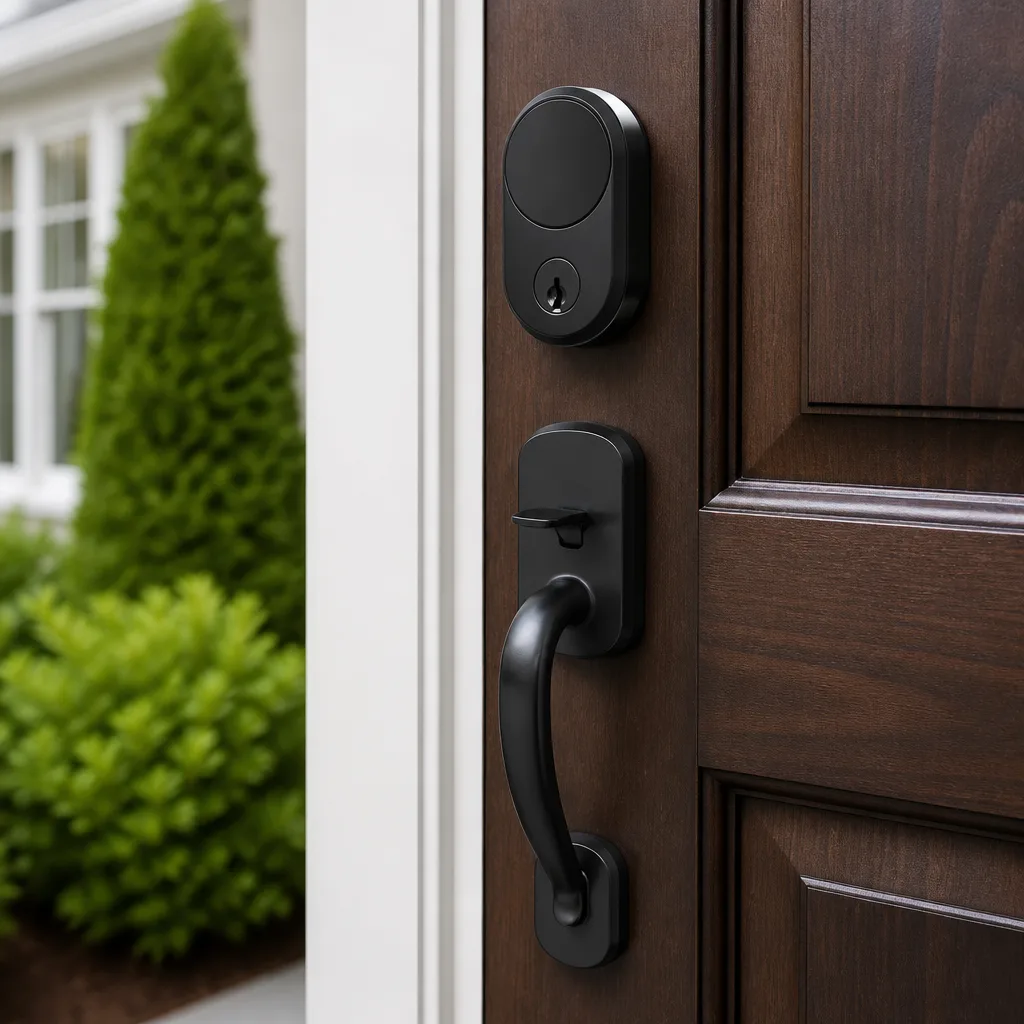 Smart locks
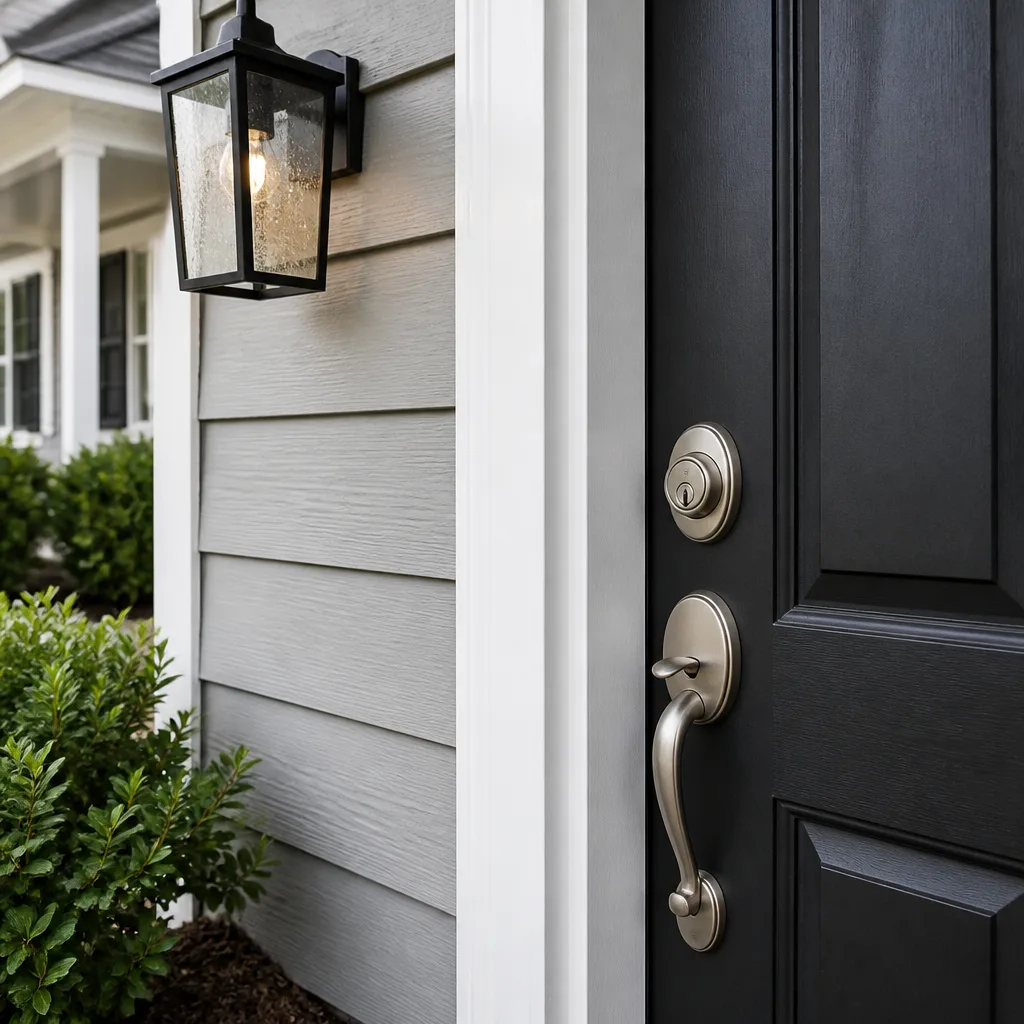 House lockouts
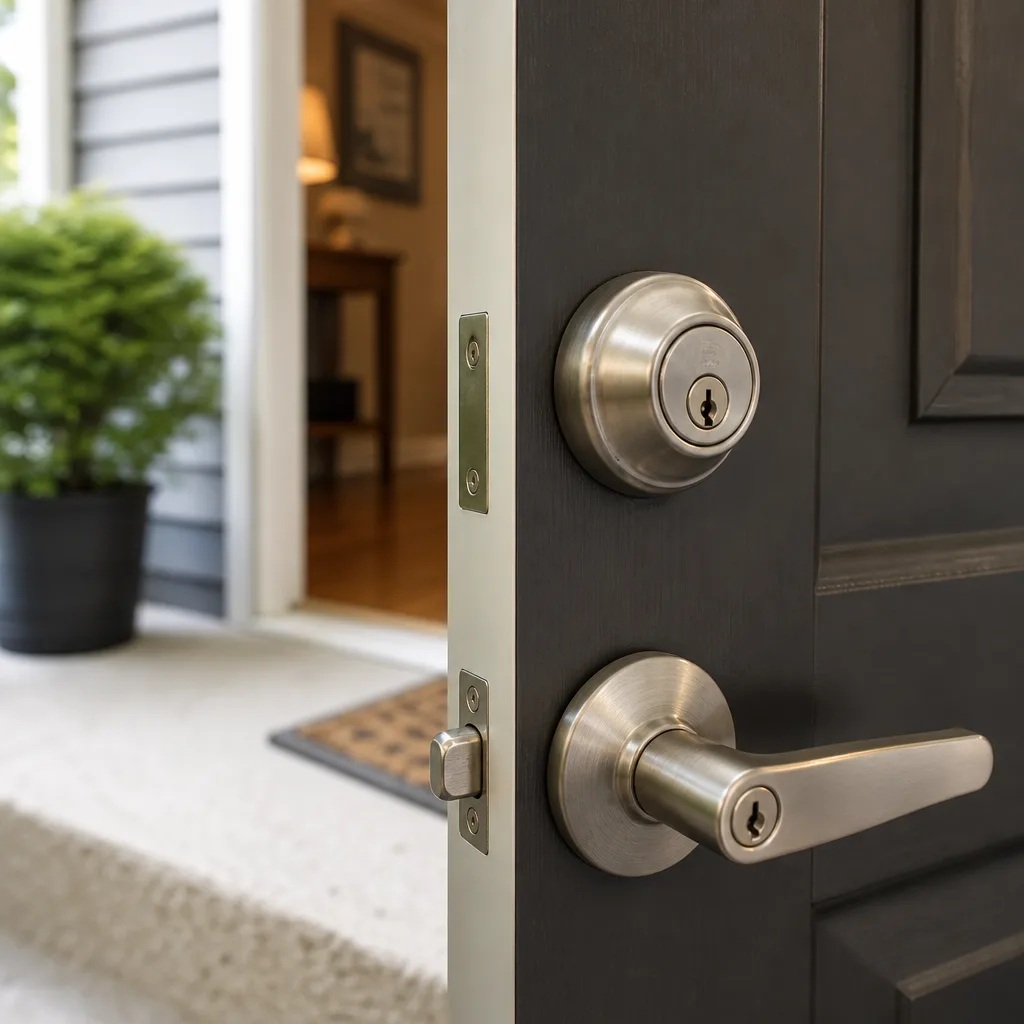 Re-keying
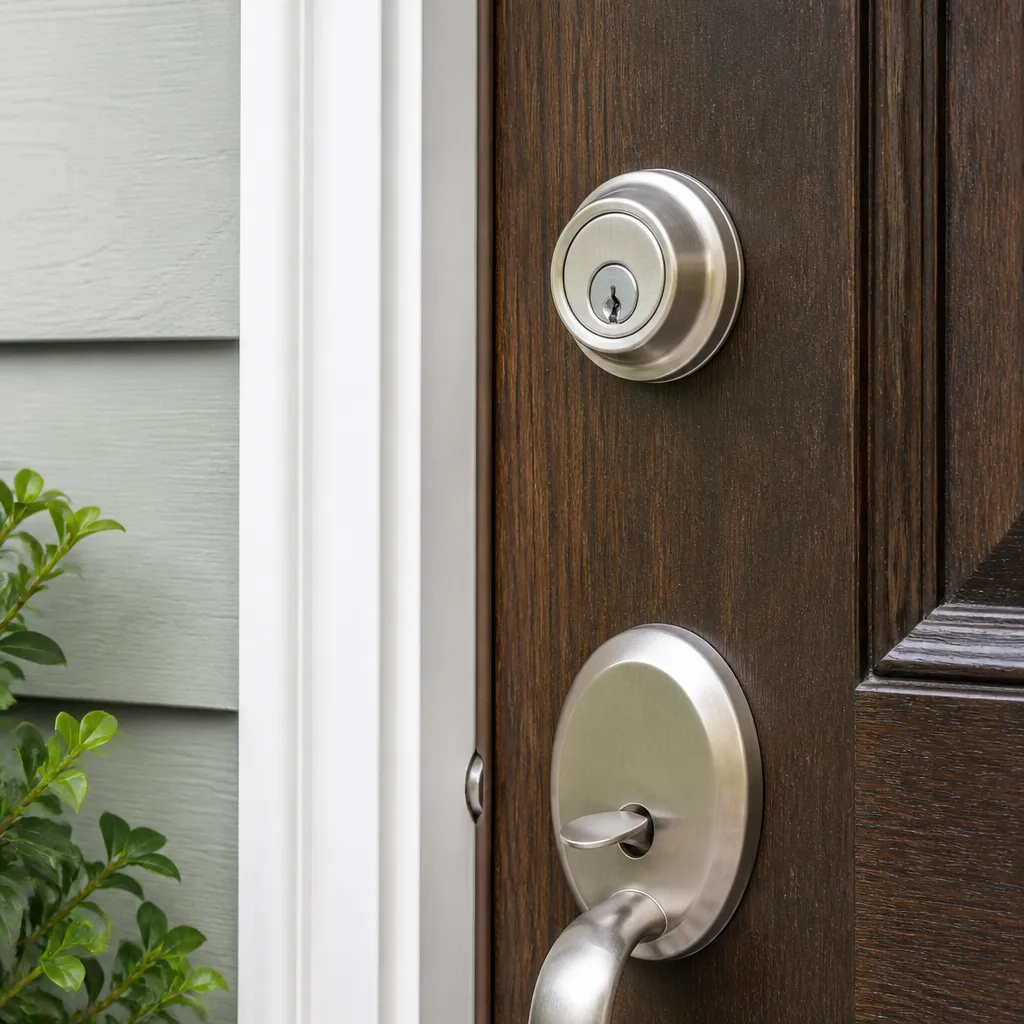 Deadbolt upgrades
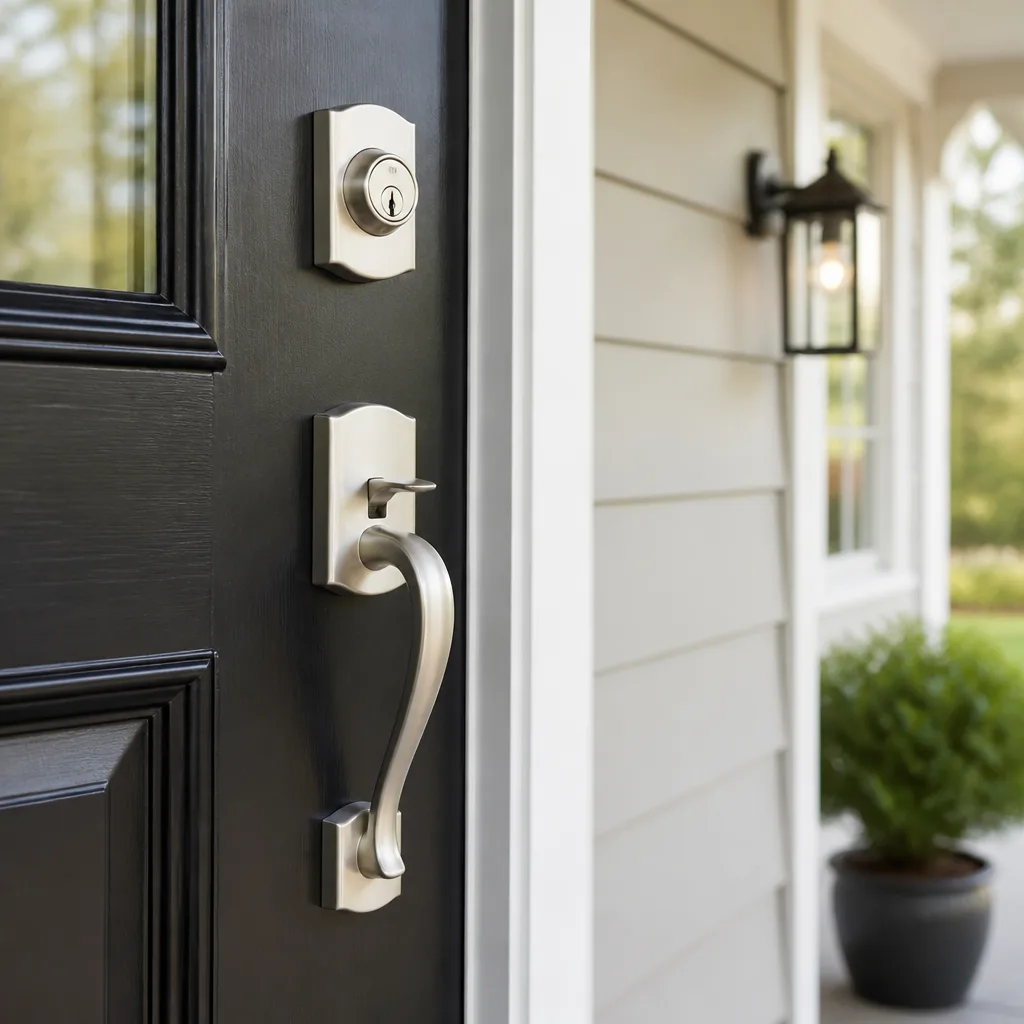 Schlage
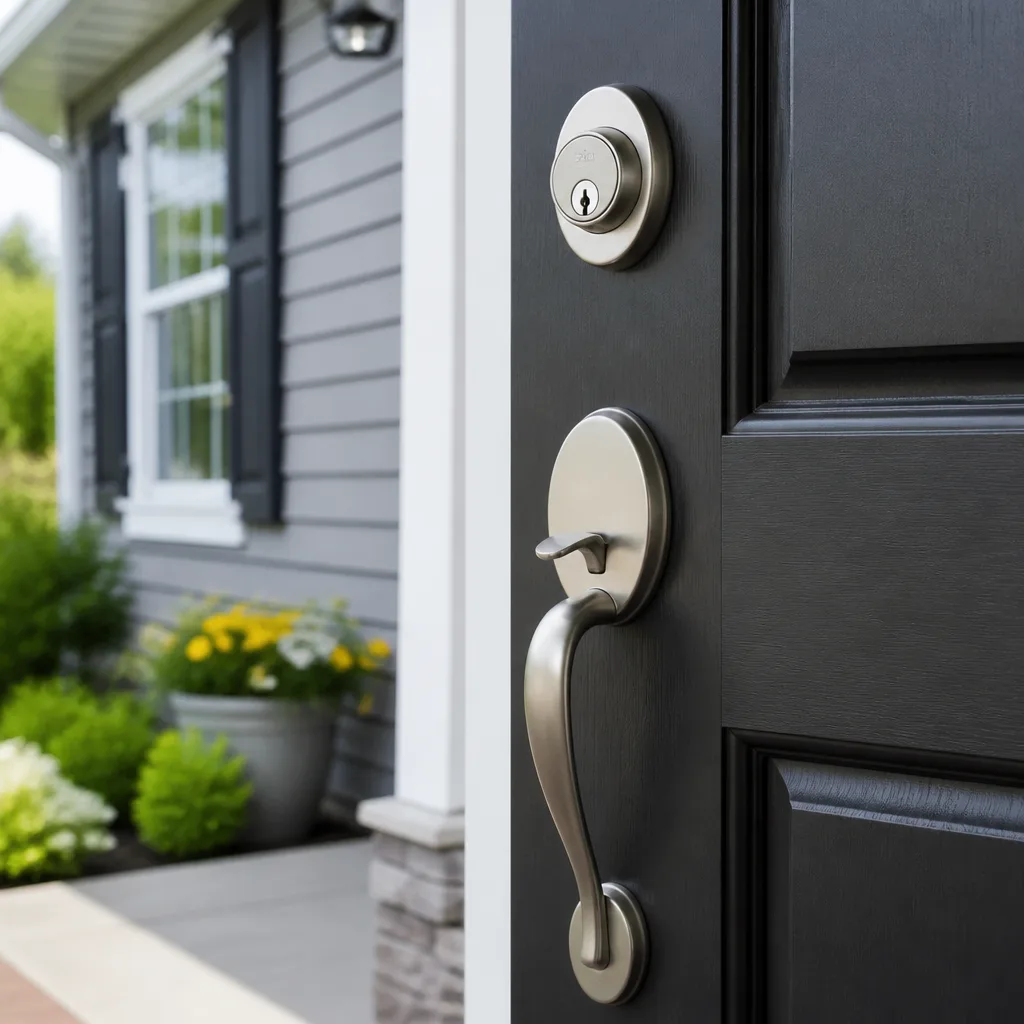 Kwikset
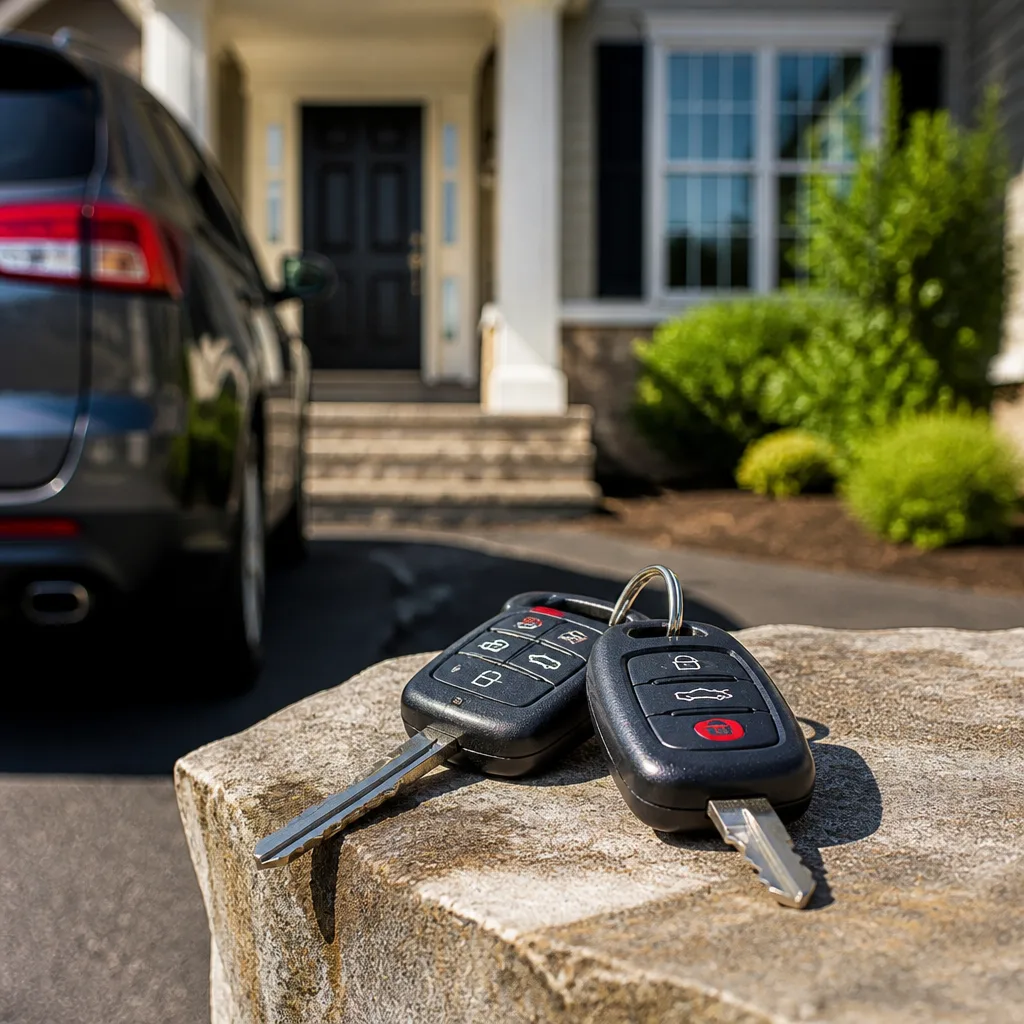 Car keys & fobs
Non-destructive entry first, always - and we re-key Schlage, Kwikset, and Baldwin locks on the spot while you watch
You get a price before we start. It does not change when we arrive. No surprises.
Get your free estimateHow to Hire a Locksmith Contractor in Portland: A Step-by-Step Guide
If you hand a locksmith a master key system job based on nothing but a Yelp rating, you may end up with a hierarchy that can’t be expanded later. That mistake can require scrapping every cylinder in the building to fix. Portland’s locksmith market is crowded, and the difference between a technician who can cut a Kwikset key and one who can spec a Medeco or Abloy restricted keyway is not a matter of price. It is a matter of training, tooling, and documentation discipline. This guide walks through the vetting process step by step, with specific questions to ask before you sign anything. It is written from the perspective of a Portland locksmith who has seen what happens when the wrong contractor wins the bid.
Styles & brands we work with
Quick Answer
To hire a locksmith contractor in Portland, start by confirming they can document their work in writing: a scope-of-work, a key record, and a price that holds from quote to invoice. Ask which keyways they are authorized to cut, whether they carry E&O insurance, and how they handle restricted key systems. Then verify their Portland business history with local references and a physical address, because Oregon’s licensing framework does not do that verification for you.
Table of Contents
- Why Hiring a Locksmith in Portland Is Different
- Ongoing Work vs. One-Time Emergencies: Two Different Hires
- The Questions to Ask Before You Hire
- Why Oregon’s Licensing Framework Puts the Burden on You
- Red Flags Specific to Project-Scope Locksmith Work
- How to Structure a Scope-of-Work Document
- The Difference Between Installing What’s in the Van and Specifying Hardware
- Common Mistakes to Avoid
- When to Call a Professional
- Frequently Asked Questions
- The Bottom Line
Why Hiring a Locksmith in Portland Is Different
Portland is not a generic market. The housing stock ranges from 1910s Craftsman bungalows in Richmond and Sellwood to mid-century ranches in East Portland and new construction in the Pearl. That means a single job can involve mortise locks on one door, a Kwikset deadbolt on another, and a Baldwin handleset on a third. A contractor who shows up with only one brand’s pinning kit is going to improvise, and improvisation in lock hardware means a cylinder that binds in February when the rain has been falling for three weeks. Portland’s climate is specifically hard on exterior hardware. Constant moisture, mild freeze-thaw cycles, and older door frames that have shifted for a century all contribute to lock failure. We regularly see spring failures in North Portland bungalows where the door has settled half an inch and the strike plate was never adjusted. A locksmith who knows Portland housing knows to check alignment before selling you a new deadbolt.
There is also the question of vehicle mix. Portland has one of the highest rates of bicycle commuting in the country, but it is still a car city for anyone living east of 82nd Avenue. Car key replacement is a major part of the local locksmith workload. If you are hiring a contractor for ongoing property management work, their ability to handle car key replacement matters when a tenant locks keys in a Subaru on a Sunday. It is a different skill set than residential lockwork, and not every Portland locksmith does both.
Ongoing Work vs. One-Time Emergencies: Two Different Hires
The hiring criteria for a one-time car lockout are simple: get here, get the door open, don’t scratch the paint. You can evaluate that outcome in an hour. The vetting process for a contractor doing project-based work, which includes rekeying a rental portfolio, specifying hardware for a remodel, or building a master key system, is a different animal. You are choosing a partner who will hold key records, source hardware, and be accountable to a written specification. The consequences of a bad choice surface months or years later, when you need an additional key cut from the master, or a lock replaced, and the contractor has vanished or cannot cut the restricted keyway they specified.
Here is a simple way to think about it:
- One-time emergency: You are hiring a technician. Speed and basic competence are the priority.
- Ongoing or project work: You are hiring a contractor. Documentation, brand authorization, and long-term accountability are the priority.
For a landlord in the Alberta Arts District who rekeys three units a year, the second bucket is the one that matters. The contractor needs to keep key records, make recommendations about which cylinders can be repinned and which need replacement, and be available to service the systems they install. That is a relationship, not a transaction.
The Questions to Ask Before You Hire
When you are hiring for project-scope work in Portland, do not lead with price. Lead with documentation and authorization. These are the questions that separate a locksmith contractor from someone with a van and a drill.
1. Which keyways are you authorized to cut?
This is the single most important question for any project that involves high-security hardware. Restricted keyways from Medeco, Mul-T-Lock, and Abloy require the manufacturer to authorize the locksmith. That authorization involves specialized key cutting machines, blank control, and card systems for ordering additional keys. If a contractor hesitates on this question, or says “we can probably get it,” they are not authorized. They will sub-contract the key cutting to someone who is, and you will pay a markup while losing direct accountability.
2. Do you carry E&O insurance?
Errors and omissions insurance covers the locksmith’s professional mistakes. If a contractor installs a master key system incorrectly and the hierarchy has to be rebuilt, E&O insurance is what pays for the correction. Many small locksmith operations in Portland skip it because the premium can be significant. For a $300 rekey, that might not matter. For a $6,000 master key system across a small apartment building, it absolutely does. Ask to see the certificate. It is a routine document for any contractor doing project work.
3. How do you document key records for future service?
A professional contractor keeps a key schedule: which key cuts which doors, which keys have been issued, and to whom. This matters a year later when a tenant moves out and you need to rekey one unit without disturbing the master. If the contractor’s answer is “we keep it in our heads,” you are hiring the wrong person. Ask to see a sample of a completed key schedule from a previous project. The best Portland contractors treat this as a living document that gets updated every time a key is issued or returned.
4. Can you provide a written scope of work and a flat price?
Verbal estimates are for emergencies. Written scopes are for projects. A contractor who will not commit a hardware list, labor hours, and a total price to paper is protecting their ability to inflate the invoice later. In our experience in Portland, the contractors who resist written quotes are the same ones who add a “cylinder upgrade fee” on arrival. Get the quote in writing. If they will not provide one, walk away.
Why Oregon’s Licensing Framework Puts the Burden on You
Oregon does not currently require a distinct state-issued locksmith license with a competency exam that applies across the industry the way some states do. That means the consumer cannot rely on a license number the way they can with a plumber or electrician. The verification burden is on you. This is not a reason to be cynical; it is a reason to be methodical. When the state does not verify competence, you substitute with alternative trust signals.
Here are the three signals we recommend for Portland specifically:
- Physical address and local history. A locksmith operating under a Portland address with five or more years of verifiable local history is less likely to disappear than a call center that dispatches a subcontractor from Vancouver. Ask how long they have served Portland and whether they have references in your neighborhood.
- Brand authorization in writing. If the job involves Medeco, Mul-T-Lock, Abloy, or Sargent hardware, ask for confirmation of dealer status directly from the brand. The manufacturers maintain directories, and any authorized dealer can point you to their listing. This substitutes for a state license by validating a higher technical threshold.
- Insurance certificates. A contractor carrying general liability and E&O insurance is operating at a professional level that goes beyond what Oregon law requires. This is a proxy for professionalism when the licensing framework is thin.
When you cannot rely on a single government credential, you rely on a pattern of evidence. Any one of these signals can be faked in isolation. All three together are much harder to counterfeit.
Red Flags Specific to Project-Scope Locksmith Work
Some red flags apply to any contractor: no-shows, vague pricing, reluctance to communicate. But project-scope locksmith work has its own failure modes that a Portland homeowner or property manager should recognize early.
- Reluctance to provide a written quote. If the contractor wants to “just take a look” and will not commit to a price on paper, that is a pattern. Project work is not an emergency; there is no reason the quote cannot be written in advance. A contractor who will not write it down is reserving the right to change it.
- Unfamiliarity with restricted keyway systems. If you mention Medeco or Abloy and the contractor changes the subject to “something just as good,” that is a capability gap. Restricted keyways are not interchangeable with standard cylinders. They require specific blanks, specific pinning, and specific authorization. A contractor who does not work with them should say so clearly, not redirect you to what they happen to have in the van.
- Inability to explain a master key hierarchy. Ask the contractor to explain, on a whiteboard or in an email, how a two-level master key system works: how the master key cuts across multiple change keys, how the shear lines are structured, and why adding a third level later is or is not possible. If they cannot explain it clearly, they cannot install it correctly. This is a diagnostic question, not a test of their teaching ability. A competent locksmith can explain it in plain English because they actually understand it.
- Pushing replacement over rekeying without justification. If a contractor looks at a perfectly functional Schlage deadbolt and insists on replacing it instead of rekeying it, ask why. Rekeying is often the right financial call: the same security result at a fraction of the cost. A contractor who will not consider it may be incentivized by hardware markup. For more on this, see our guide to rekeying locks.
- No key documentation process. We mentioned this above, but it bears repeating as a red flag. If the contractor cannot describe how they will track which key cuts exist after the project is complete, they are not thinking about the long-term. That is fine for a one-time car lockout. It is not fine for a 12-unit building rekey.
How to Structure a Scope-of-Work Document
The scope of work is the contract. A well-written scope makes the contractor accountable to a specification, not a verbal agreement. Here is a step-by-step structure we recommend for Portland property owners, landlords, and project managers.
Step 1: List every opening by location and hardware type
Walk the property and document each door individually. For a rekey project, the list might read: “Front entry, Schlage deadbolt, model B60, key-in-knob, 2004.” For a hardware upgrade, the list includes what will be replaced and what will be reused. The contractor’s quote should reference this list line by line. A quote that just says “rekey 12 locks” with no opening list is not a quote; it is a guess.
Step 2: Define the keying plan
Specify the hierarchy. Will all units key separately with a master? Will there be a grand master? Who gets which level? What restrictions apply to duplicating keys? If the keys are restricted, the scope should name the keyway system by brand: Medeco, Mul-T-Lock, Abloy, or Sargent. This is the section where most projects fail. The contractor who cannot articulate the keying plan on paper will not execute it correctly in metal.
Step 3: Specify hardware by manufacturer and model
Do not accept “commercial grade deadbolt.” That means nothing. A Sargent mortise cylinder is not the same as a Kwikset deadbolt, and a Baldwin handleset is not the same as a generic hardware-store replacement. Name the manufacturer and model number for every piece of hardware. If the contractor suggests a substitution, require written notice and a revised quote before work proceeds.
Step 4: Define documentation deliverables
The scope should state that the contractor will provide a key schedule at project completion: a written record of every opening, which key cut services it, and the hierarchy relationship. This deliverable is not optional. It is the document that makes future service possible.
Step 5: State payment terms and warranty
Flat price, no call-out surcharge, and a written warranty on labor and hardware. The quote you receive before the contractor is dispatched should be the price on the invoice. No added arrival fee, no “complexity adjustment” after the fact. If the contractor will not commit to this in writing, do not proceed.
The Difference Between Installing What’s in the Van and Specifying Hardware
Most locksmiths in Portland keep a limited inventory: a few Schlage and Kwikset deadbolts, some generic knob sets, maybe a couple of Baldwin handlesets. When a job calls for hardware they do not stock, they have two options. They can order it and wait, which delays the job. Or they can substitute something “similar” from the van, which protects their margin and changes what you actually receive.
The second option is common. It is also how homeowners end up with a Kwikset deadbolt where a Mul-T-Lock was specified, or a generic knob where a Baldwin was in the drawings. The contractor is not necessarily dishonest; they are improvisational. But improvisation in security hardware is a failure mode. A locksmith who can actually spec and source hardware based on your actual threat model works differently. They evaluate the opening, the frame, the exposure, and the usage pattern before recommending anything. Then they order the specific cylinder and hardware that fits the requirement. That is the difference between a technician and a contractor: one installs what is on hand, and one specs what the job actually needs.
For a Portland homeowner on a busy street in Richmond or a landlord with a property on Hawthorne, the threat model is real: high foot traffic, periodic package theft, and doors that get more wear. An Abloy deadbolt with a restricted keyway solves a different problem than a Kwikset from the hardware store. The contractor who can articulate that difference, and source the Abloy, is the one worth hiring.
Common Mistakes to Avoid
- Hiring based on search ranking alone. The locksmith at the top of Google is the one who spent the most on ads, not necessarily the one who can spec a Medeco cylinder. Rankings are a marketing signal, not a competence signal. Combine the ranking with the documentation questions above.
- Accepting a verbal quote for project work. If it is not written, it does not exist. A verbal quote of $1,800 for a building rekey can become $2,600 when the cylinder “surprisingly” needs replacement. Written scopes prevent that drift.
- Treating all locksmiths as interchangeable. A car key specialist is not automatically a master key system designer. A Schlage and Kwikset technician is not automatically authorized for Abloy or Sargent. Match the contractor’s specific capabilities to the scope of work.
- Skipping the key schedule deliverable. The key schedule is not a courtesy; it is the most important document in the project. Without it, future service, rekeying after a tenant turnover, and adding new keys to the system all become guesswork.
- Choosing the lowest bid without checking authorization. The low bid on a restricted keyway project is often low because the bidder is not authorized and plans to figure it out later. When “later” fails, you pay twice: once for the bad install and once for the correction.
- Ignoring Portland climate factors. Exterior hardware in Portland fails differently than it does in Phoenix. Moisture gets into unsealed cylinders, untreated steel corrodes through the rainy season, and door frames move. A contractor who does not account for the local climate is installing hardware that will underperform. Ask how the specified hardware holds up in a Portland winter.
When to Call a Professional
Some situations are obviously professional: a car lockout at midnight, a broken key in the ignition, a door that will not latch after a break-in attempt. But the threshold for calling a locksmith contractor is lower than most people think. If you are buying a home and do not know who has keys, call. If you are rekeying a rental unit after a tenant turnover and want it done before the new tenant moves in, call. If you have received a quote that seems high and want a second opinion on the hardware specified, call. The consultation is cheap compared to the cost of getting the wrong hardware installed. Northfield Lock & Key offers free estimates in Portland. Call (855) 341-3373 and describe the project. You will get a written scope and a flat price before anyone is dispatched. For emergency work, see our emergency locksmith service.
Frequently Asked Questions
For residential rekeying in Portland, expect to pay $20 to $35 per cylinder plus a service call in the $40 to $75 range. A full rental unit rekey with 3 to 4 cylinders typically lands between $100 and $200. High-security cylinder installation runs higher: a Medeco or Abloy deadbolt often costs $180 to $350 per opening including hardware and labor. Car key replacement ranges from $80 for older non-transponder vehicles to $350 for newer Toyota or Subaru proximity keys cut and programmed on site. These are Portland market ranges, not promises; the exact figure depends on the hardware specified and the condition of the openings. Call (855) 341-3373 for a written quote before work proceeds.
Yes, for project work, the flat price quoted before dispatch is the price on the invoice. No added arrival surcharge, no complexity adjustment, no per-cylinder surprise. If the scope changes because the opening list changes, the contractor should issue a revised written quote before proceeding. That is the standard any reputable Portland locksmith contractor should meet.
Emergency lockout response in Portland depends on the neighborhood and time of day. Central Portland, including downtown, the Pearl, and close-in Southeast, is typically faster than Gresham or St. Johns simply due to distance and traffic. A reputable Portland locksmith should give you an honest ETA on the phone and stick to it. Call (855) 341-3373 and you will get a real arrival window before anyone is dispatched.
Oregon does not currently require a distinct state locksmith license with a competency exam across the industry, so you rely on other signals. Ask for the physical Portland business address, the length of local history, proof of insurance, and brand authorization in writing if the job involves restricted keyways like Medeco, Mul-T-Lock, or Abloy. A legitimate contractor will provide all of these without hesitation. Northfield Lock & Key is insured and bonded, and has served Portland since 2012.
Yes, rekeying is a standalone security solution and often the correct one. When a set of Schlage or Kwikset cylinders is in good mechanical condition, rekeying them to new keys costs a fraction of replacement and delivers the same security result: the old keys stop working. Rekeying is appropriate after a tenant turnover, a home purchase, a lost key, or a separation. If the hardware itself is worn or the cylinders are corroded from Portland’s wet winters, replacement may be the better call. A good contractor will tell you which situation you have, and why. See our rekeying service for more detail.
First, check your lease. In Portland, rental agreements sometimes require tenants to obtain landlord permission before changing locks. If you have permission, the simplest route is a professional rekey rather than a DIY hardware swap: the keys change, the hardware stays, and the landlord’s request is satisfied at lower cost. If you do not have permission, do not rekey the unit yourself. The landlord’s property rights and your security interest both benefit from a documented professional job. Call (855) 341-3373 to discuss the specifics.
The Bottom Line
Hiring a locksmith contractor in Portland is not about finding the cheapest van that shows up. It is about finding a contractor who can document their work, articulate a keying plan, and stand behind the hardware they install. Ask about keyway authorization. Ask about E&O insurance. Ask for a written scope and a flat price. The right contractor will answer those questions directly, and the wrong one will not. Northfield Lock & Key has served Portland since 2012, works across eight lock brands from Kwikset to Abloy, and handles car key replacement, emergency lockout response, and lock rekeying in-house. Call (855) 341-3373 for a free estimate and a written scope before any work begins. For a full look at what we do, visit the Northfield Lock & Key home page.
Written by the team at Northfield Lock & Key, serving Portland since 2012.