
Last updated October 31, 2026
 Smart locks
 House lockouts
 Re-keying
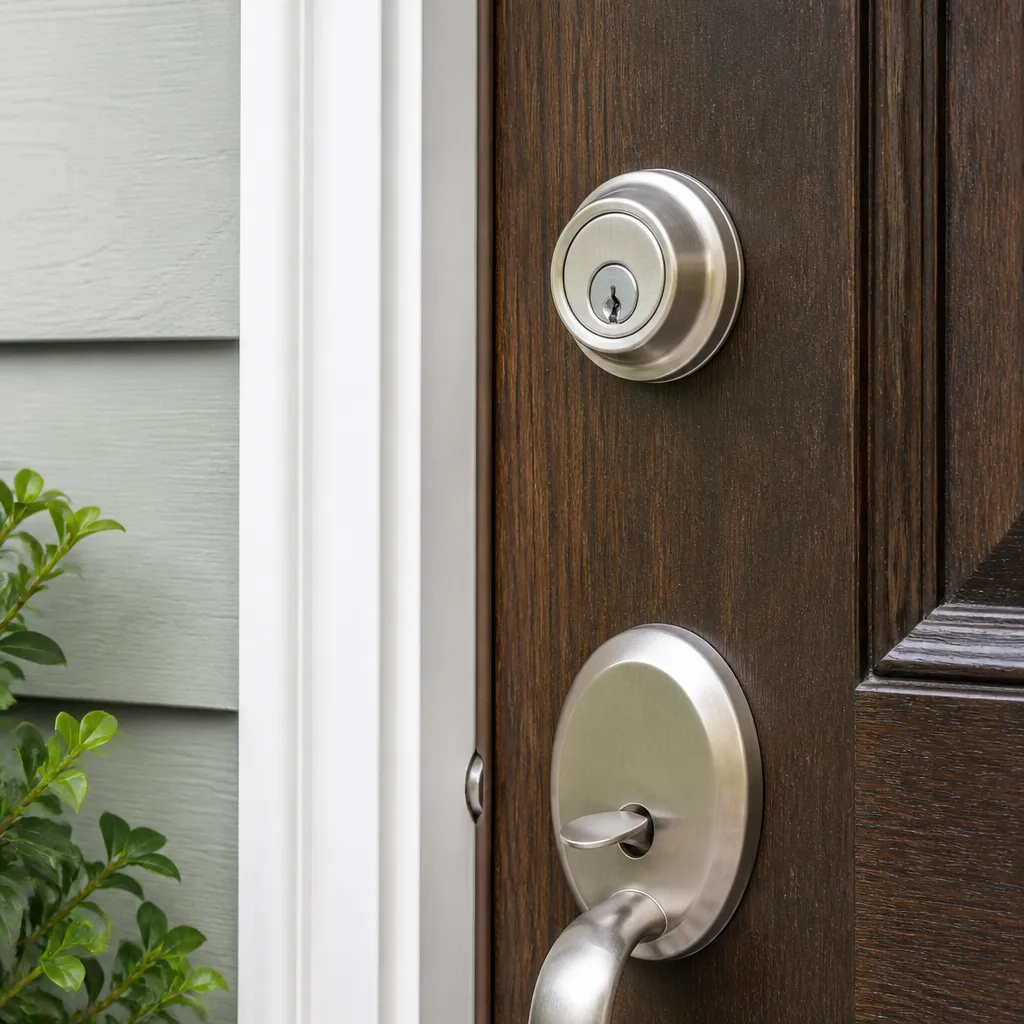 Deadbolt upgrades
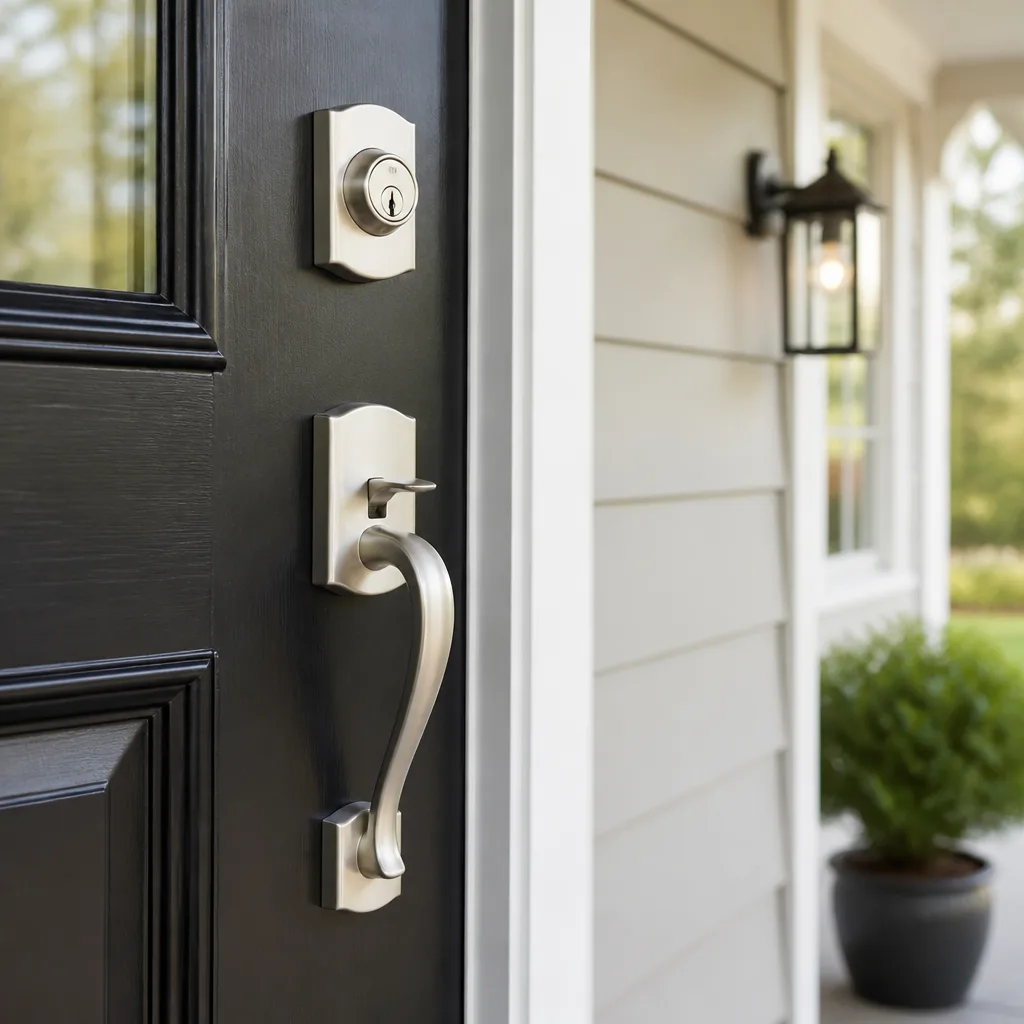 Schlage
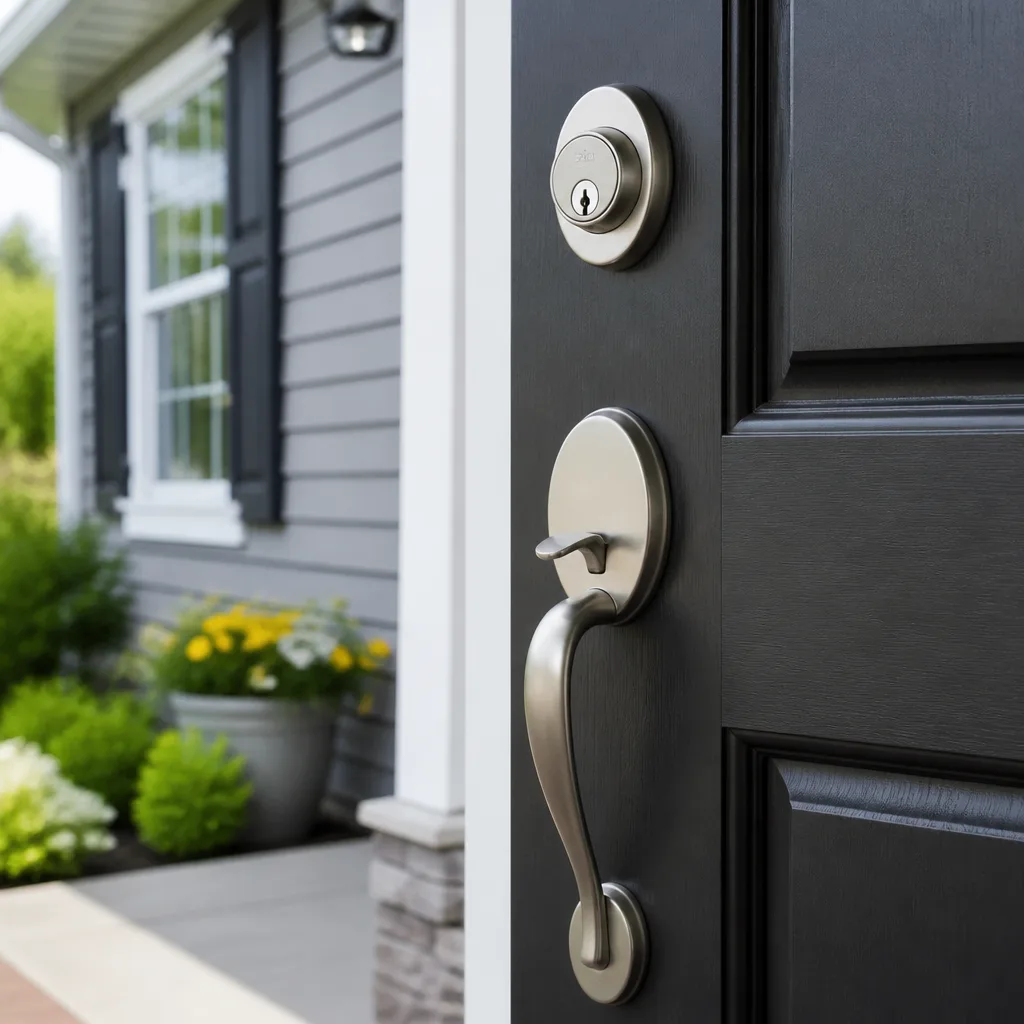 Kwikset
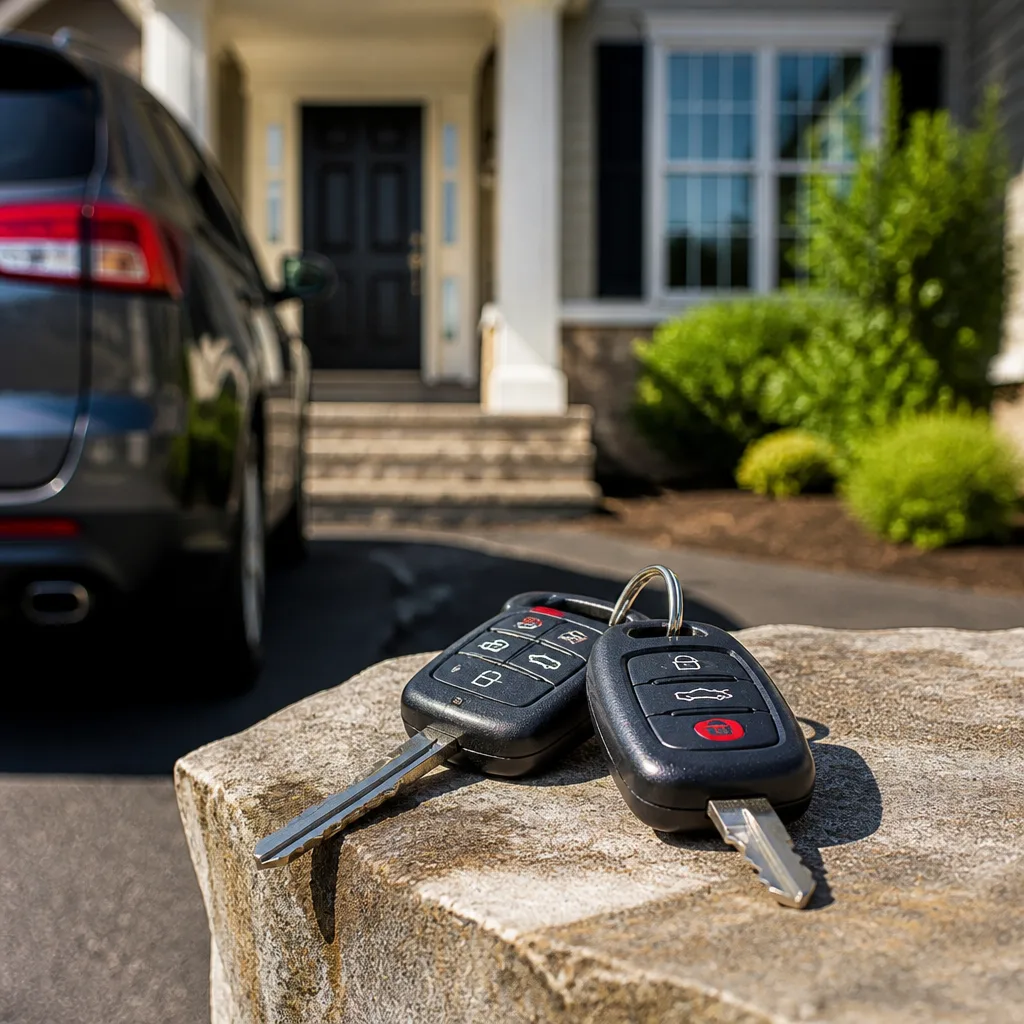 Car keys & fobs
Non-destructive entry first, always - and we re-key Schlage, Kwikset, and Baldwin locks on the spot while you watch
You get a price before we start. It does not change when we arrive. No surprises.
Get your free estimateDIY vs Professional Locksmith: The Portland Homeowner’s Decision Guide
Every year, Portland homeowners lose more money to failed DIY lock projects than they save on successful ones. The math looks simple on the surface: a $20 rekey kit versus a $95 service call. But the real calculation isn’t the upfront cost. It’s the failure mode. A Kwikset SmartKey kit works exactly as advertised, right up until one of the tiny wafers inside the cylinder slips half a millimeter out of alignment and the plug seizes. At that point the lock needs full replacement, the $20 is gone, and the locksmith still gets called. This guide draws the line precisely: which tasks a careful Portland homeowner with basic tools can handle, which ones go sideways without warning, and how to tell the difference before you’re standing in the rain with a deadbolt in pieces. For more guides & resources on keeping your home secure, see our blog.
Styles & brands we work with
Quick Answer
Rekeying a Kwikset or Schlage cylinder with a manufacturer kit is genuinely DIY-appropriate for a careful homeowner, and so is swapping out a standard deadbolt on a properly prepped door. But mortise lock installation, sliding door lock replacement, and any automotive key programming attempt without professional-grade tools have non-recoverable failure modes that turn a small job into a bigger one. The decision isn’t about your skill level. It’s about what failure looks like on that specific task and whether you can live with it.
Table of Contents
- The Three DIY-Appropriate Lock Tasks
- The Tasks That Look Simple but Aren’t
- Tool Cost Reality Check: The Numbers Portland Homeowners Never See
- Oregon Rental Law and the DIY Rekey Liability Gap
- The Middle Path: Prep Work That Cuts Your Locksmith Bill
- Brand-Specific Knowledge: Why High-Security Cylinders Change the Calculus
- Car Key Programming: Where DIY Money Goes to Die
- Common Mistakes to Avoid
- When to Call a Professional
- Frequently Asked Questions
- The Bottom Line
The Three DIY-Appropriate Lock Tasks
There are exactly three residential lock tasks we’re comfortable recommending to a careful Portland homeowner with a screwdriver, a measuring tape, and patience. Each one has a recoverable failure mode, meaning if something goes wrong, you’re out time and maybe twenty bucks, not a full door or a tow truck.
First: rekeying a Kwikset cylinder with the SmartKey kit. The learning curve is shallow. You insert the tool, you follow the sequence, you test the new key. The failure mode is a jammed plug, which at worst means replacing a $30 Kwikset cylinder. That’s recoverable. The conditions that keep this in DIY territory: the lock is a standard Kwikset from a big-box store, it’s less than ten years old, and it turns smoothly before you start. If any of those aren’t true, don’t start.
Second: swapping a standard deadbolt on a properly prepped door. If the existing deadbolt is a standard 2⅛-inch bore with a 2⅜-inch or 2¾-inch backset, and you’re replacing it with a new deadbolt of the same footprint, this is an afternoon job. The failure mode is misaligned strike plates, which causes the bolt to bind, which you’ll notice immediately and can correct. Portland’s older homes, especially pre-1960 houses in Irvington, Sellwood, and Laurelhurst, often have non-standard bore sizes. Measure before you buy.
Third: removing old hardware and prepping a door for professional installation. This isn’t really a lock task, it’s the prep work we cover in the middle path section below. But it’s on the list because it’s the one place a homeowner genuinely saves money without taking on technical risk.
Everything else, we’d rather you call before you start. Not because we want the work, but because the failure modes get expensive fast. See our Locksmith Cost Breakdown: The Portland Homeowner’s Reference for 2026 for typical pricing before you decide.
The Tasks That Look Simple but Aren’t
Some lock jobs are deceptive. They start with one screw and end with a door that doesn’t latch, a cylinder that won’t turn, or a car that won’t start. Portland’s housing stock makes two of these particularly common.
Mortise Lock Installation
Mortise locks are the rectangular bodies set into a deep pocket in the door edge. They’re standard on older Portland homes, especially anything built before 1950 in neighborhoods like Alameda, Eastmoreland, and the Alphabet District. The lock body slides into a pocket that has to be routed precisely. If the pocket is ⅛ inch too shallow, the faceplate won’t sit flush. If it’s ⅛ inch too deep, the cylinder doesn’t engage the body correctly. The installation requires a mortising jig, sharp chisels, and an understanding of how the cam mechanism aligns with the cylinder. The non-recoverable failure mode is a door edge that’s been over-chiseled, which means the door itself needs repair or replacement. That’s a $300-plus mistake on a door that was worth $80.
Replacing an existing mortise lock body is also trickier than it looks. Old Portland doors often have non-standard mortise dimensions, and the new lock body from a big-box store won’t fit without modification. We’ve seen homeowners in Hawthorne and St. Johns buy a $60 mortise lock, spend a weekend chiseling, then call us because the door won’t latch and now they have a hole that’s too big for any stock lock. The fix cost more than the professional installation would have.
Sliding Door Lock Replacement
Portland’s patio doors are a specific headache. The locks on older sliding glass doors, especially the aluminum frames common in 1970s and 1980s homes across Beaverton, Tigard, and Southeast Portland, don’t match modern replacements. The mounting holes are in different places. The hook profiles are different. The retrofit almost always requires drilling new holes in the aluminum frame, and aluminum doesn’t forgive. Drill one hole wrong and the frame is compromised. The lock won’t seat. The door won’t lock. And now you’re replacing the entire door mechanism or the door itself.
The failure mode here isn’t recoverable at the hardware level. You can’t un-drill aluminum.
Automotive Key Programming
This gets its own section below, but the short version: transponder key programming without the right tool isn’t a DIY task. It’s a $200 to $500 gamble with a zero percent success rate without the equipment. For what to do instead, read our Locksmith Emergency Preparedness Guide for Portland Homes.
Tool Cost Reality Check: The Numbers Portland Homeowners Never See
When someone tells us they want to DIY a lock job because it’s cheaper, we ask them to price the tools. Not the kit. The actual tools required to do the job correctly the first time. Here’s the reality check.
For rekeying a standard Kwikset or Schlage cylinder, the tool cost is genuinely low. A Kwikset SmartKey rekey kit runs $15 to $25. A Schlage rekey kit with pins, followers, and plug tools is $30 to $50. The math works. That’s why basic rekeying stays on the DIY-appropriate list.
For installing or servicing a high-security cylinder from Medeco or Mul-T-Lock, the tool cost explodes. These cylinders require brand-specific pinning kits, specialized followers, and cut keys that only authorized dealers can obtain. A Medeco pinning kit runs $300 to $800 depending on the cylinder line. A Mul-T-Lock pinning and servicing kit is in the same range. And the cut keys themselves are restricted: you can’t buy blanks from a hardware store and have them duplicated at Fred Meyer. Only authorized locksmiths can order them. That’s the real cost barrier, not the tools. The blank isn’t available to you at any price.
For transponder key programming, the equipment starts around $800 for an entry-level programmer and runs to $3,000 or more for professional-grade tools that handle multiple manufacturers. This is the number that ends most DIY car key ambitions. You can buy an uncut transponder key blank for $30 online, but without the programmer to pair it to the vehicle, it’s a piece of metal.
The tool cost math works like this: if the tool costs less than the service call and you’ll use it more than once, DIY might make sense. If the tool costs more than the service call, or the tool is single-use, or the tool is restricted and you can’t buy it anyway, the DIY option was never actually an option.
Oregon Rental Law and the DIY Rekey Liability Gap
Portland landlords face a specific version of this decision that homeowners don’t. Oregon law requires landlords to maintain rental units in a habitable condition, and Oregon courts have consistently held that functioning door locks are part of that obligation. If you’re hiring out, see How to Hire a Locksmith Contractor in Portland: A Step-by-Step Guide to vet providers properly. When a landlord rekeys a unit personally between tenants, there’s no documentation trail. There’s no receipt. There’s no record of which locks were rekeyed and when.
Here’s the liability gap. If a new tenant later claims that a previous tenant still has access, or if a break-in occurs and the insurance company asks when the locks were last professionally serviced, the landlord who rekeyed their own unit has a hard time proving due diligence. The insurance policy may also have specific language about lock maintenance and rekeying. Some Portland landlord policies require a documented professional service call for rekeying between tenants. If the landlord can’t produce that documentation, a claim gets harder to defend.
A rekey service call from a locksmith who rekeys locks in Portland generates a dated receipt with the address, the work performed, and the number of cylinders changed. That’s a document you can show an insurance adjuster or a judge. It’s not about the locksmith being better at rekeying than the landlord. It’s about the paper trail.
The same applies in the other direction: a tenant rekeying a rental unit without the landlord’s knowledge and consent is a lease violation in most Portland rental agreements. The tenant might have a privacy concern, but the correct route is to request a rekey in writing from the landlord, not to do it themselves.
The Middle Path: Prep Work That Cuts Your Locksmith Bill
There’s a zone between DIY and full professional service where a Portland homeowner can save real money without touching anything technical. This is the prep work we appreciate because it reduces our time on site, and we bill by the job, not the hour, so less prep time means we can quote lower on certain work.
Here are the prep tasks that genuinely help:
- Remove the old hardware before we arrive. If you’re replacing a deadbolt or entry set and the old lock is already unscrewed and removed from the door, that’s ten minutes of labor saved. Even better, have the old hardware laid out on a table so we can see the bore diameter and backset without measuring from scratch.
- Measure and document the backset. The backset is the distance from the door edge to the center of the bore. Standard sizes are 2⅜ inches and 2¾ inches. Measure it. Write it down. If you’ve already bought a replacement lock, confirm it matches. A mismatch is one of the most common reasons a DIY install fails.
- Count and test every existing key. If you’re rekeying, know how many keys you need. Front door, back door, garage, side gate, mailbox. Every key that needs to work after the rekey should be in your hand before the locksmith starts. Discovering a missing key after the job is done means a second trip, which means a second fee.
- Document the cylinder types. Snap a phone photo of each lock face and door edge. If you have a mix of Kwikset and Schlage, or if some doors have high-security cylinders from Medeco or Mul-T-Lock, knowing that in advance changes the job. It tells us which pinning kits to bring and whether the job is a simple rekey or a restricted-key situation.
None of this involves touching lock internals. It’s documentation and removal of screws. But on a multi-door rekey, it can cut the on-site time significantly, which can drop a quote from the higher end of the range to the lower end.
Brand-Specific Knowledge: Why High-Security Cylinders Change the Calculus
Most lock conversations in Portland happen at the Schlage and Kwikset level, and for good reason. Those two brands cover the majority of residential hardware in the metro area. But Portland also has a meaningful stock of higher-end locks, especially in homes that have been renovated in the last decade or that sit in neighborhoods where security upgrades are common.
Here’s where the DIY decision changes. A Medeco deadbolt is not a Kwikset deadbolt with a better finish. It’s a different locking mechanism entirely. The cylinder uses angled cuts on the key that interact with the pins in a way that requires a specific pinning kit and a specific follower to service. The key blanks are restricted. You can’t walk into a hardware store and have one duplicated, at any price. The only people who can cut and duplicate Medeco keys are locksmiths who have been authorized by Medeco and who have the key-cutting machine for that specific keyway.
Same with Mul-T-Lock. Their telescoping pin system requires a specialized pinning kit that runs several hundred dollars, and the key blanks are controlled. A Baldwin entry set can also use high-security cylinders, and a Yale mortise lock on an older Portland home may have a cylinder that predates modern pinning conventions.
The practical effect: if your home has a Medeco or Mul-T-Lock cylinder and you lose a key or need a rekey, the DIY option doesn’t exist. There’s no kit at Home Depot. There’s no YouTube video that shows you how to pin the cylinder, because the person who made the video doesn’t have the pinning kit either. The decision has already been made for you by the lock itself.
We work across eight lock brands, from Kwikset and Schlage up through Medeco, Mul-T-Lock, Abloy, Yale, Baldwin, and Sargent. That breadth matters when a Portland home has a mix of hardware from different generations and different security tiers. A rekey that covers a Kwikset on the back door and a Mul-T-Lock on the front door requires two different pinning systems. Not every locksmith stocks both. We do, because Portland’s housing stock demands it.
Car Key Programming: Where DIY Money Goes to Die
Every few months, someone in Portland brings us a car key they bought online for $30 and asks if we can cut and program it. Sometimes the key is fine. Sometimes it’s the wrong chip for the vehicle. Sometimes it’s a knockoff blank that doesn’t seat correctly in the ignition. The consistent part is that the person bought the key because the dealership quoted them $300 to $500 for a replacement and they wanted to avoid the dealership markup, which is reasonable. But the key alone doesn’t solve the problem, because the key has to be cut to the specific lock, and then it has to be programmed to the vehicle’s immobilizer system.
Programming requires a tool that communicates with the vehicle’s onboard computer. These tools cost $800 to $3,000 at the professional grade, and each tool supports a specific range of manufacturers and model years. The cheap OBD programmers sold online for $60 to $150 can occasionally add a spare key when you already have two working originals, but if you’ve lost all keys, or if you only have one original left, or if the vehicle is newer than roughly 2015, the cheap tools can’t do the job.
The failure mode is the worst one on this list. If a programming attempt goes wrong, the vehicle’s immobilizer can lock out all keys, including the original. The car sits where it is. You can’t drive it to a shop. Now you’re paying for a mobile service call, which costs more than a shop visit, and the fix involves resetting the immobilizer, which some vehicles only allow through a dealership-grade tool. That $30 online key has become a $400 mobile service call and a tow that didn’t need to happen.
On-site car key replacement in Portland avoids the dealership markup and the tow. We bring the programmer, cut the key on site, and pair it to the vehicle. The full price is quoted on the phone before anyone is dispatched, and that’s the price on the invoice.
Common Mistakes to Avoid
- Buying a replacement lock before measuring the backset. The backset is the distance from the door edge to the bore center. Standard backsets are 2⅜ and 2¾ inches. Older Portland homes, especially pre-1960 stock, sometimes have non-standard backsets. If you buy a 2¾-inch backset lock for a 2⅜-inch door, it doesn’t fit. Measure first.
- Using a Kwikset SmartKey tool on a Schlage cylinder, or vice versa. The kits are brand-specific. Using the wrong tool on the wrong cylinder can damage the plug and turn a $25 rekey into a full cylinder replacement.
- Drilling out a lock you can’t pick. Every hardware store sells lock-drilling kits, and every month someone in Portland brings us a door where the lock was drilled out and the door frame got caught in the crossfire. A drilled lock is replaceable. A split door frame is a carpenter call.
- Attempting transponder key programming with a $60 OBD tool. These tools add a spare key only when two working originals exist. If you’ve lost all keys or have one original, the cheap tool can’t help, and an interrupted programming sequence can immobilize the car entirely.
- Rekeying a rental unit without landlord consent. This is a lease violation in most Portland rental agreements, and it puts the tenant on the wrong side of the lease if a dispute arises. Request the rekey in writing instead.
- Chiseling a mortise pocket without a jig. The mortise pocket has to be square to the door edge. Freehand chiseling almost always results in a pocket that’s too big or too shallow, and the door edge can’t be repaired cleanly. This is the most common expensive failure we see from Portland DIY attempts on older doors.
- Ignoring the cylinder type when buying replacement hardware. If your front door has a Medeco or Mul-T-Lock cylinder and you buy a standard Kwikset deadbolt to replace it, you’ve just downgraded your security without realizing it. Match the cylinder type or upgrade deliberately.
When to Call a Professional
Call a locksmith when the failure mode is expensive or irreversible. Mortise lock work on older Portland doors, sliding door lock replacement on aluminum frames, and any automotive key programming without professional equipment all fall into this category. Also call when the lock itself is a restricted brand like Medeco, Mul-T-Lock, or Abloy, because the tools and key blanks aren’t available to you regardless of your skill level. And call when you need documentation: a landlord rekeying between tenants needs a receipt for the insurance file, not a personal memory of doing it right. Northfield Lock & Key offers free estimates in Portland, and we quote the full price on the phone before anyone is dispatched. Call (855) 341-3373.
Frequently Asked Questions
A standard single-cylinder rekey in Portland typically runs $75 to $120 for the first lock and $15 to $30 per additional cylinder on the same visit, with high-security brands like Medeco or Mul-T-Lock running higher because the pinning kits and key blanks are restricted. The full price is quoted on the phone before anyone is dispatched. Call (855) 341-3373 for an exact quote.
For a standard Kwikset with a SmartKey cylinder, yes, the $15 to $25 kit beats a service call. For a Schlage cylinder, the $30 to $50 rekey kit also works if you’re comfortable with pins and followers. But for any restricted brand, the tools and blanks aren’t available to you at any price, so the DIY option doesn’t exist.
You can, but the failure mode is rough: an over-chiseled mortise pocket means the door edge is damaged beyond repair and the door itself may need replacement. Portland’s pre-1950 housing stock often has non-standard mortise dimensions that don’t match modern lock bodies, which makes the job harder, not easier. This is a job where the professional call is the cheaper option on average.
Yes, unless you own a professional-grade programmer, which runs $800 to $3,000. The cheap OBD tools sold online work only in the narrow case where you have two working original keys and you’re adding a third. If you’ve lost all keys or have one original, a professional with the right tool is the only option, and the alternative is a dealership appointment plus a tow.
Look at the key. Medeco keys have angled cuts on the blade and the word “Medeco” stamped on the bow. Mul-T-Lock keys have telescoping pins that look like little dots inside the cuts, and the bow says “Mul-T-Lock.” If your key has either marking, the cylinder is a restricted brand and the key cannot be duplicated at a hardware store. Bring it to a locksmith who is authorized for that brand.
Yes, every time, and the rekey should be documented. A professional service call generates a dated receipt that proves the locks were changed between tenancies, which matters for insurance claims and for demonstrating compliance with Oregon’s habitability requirements. A personal rekey with a $20 kit saves money once and leaves a documentation gap that can cost more later.
The Bottom Line
The DIY locksmith decision in Portland isn’t about whether you can watch a YouTube video and figure it out. It’s about whether the failure mode on the specific task is recoverable. Rekeying a standard Kwikset with a SmartKey kit is recoverable: the worst outcome is a $30 cylinder replacement. Installing a mortise lock on an older Portland door is not recoverable: the worst outcome is a damaged door that costs more than the professional installation would have. Tool costs create a hard barrier on the high end, and rental documentation requirements create a legal one for landlords. The smart homeowner learns the difference and spends DIY effort only where failure is cheap. For everything else, an emergency locksmith in Portland is cheaper than the repair bill that follows a bad attempt. Call (855) 341-3373 and get a straight answer before you start.
Written by the team at Northfield Lock & Key, serving Portland since 2012.