
Last updated October 31, 2026
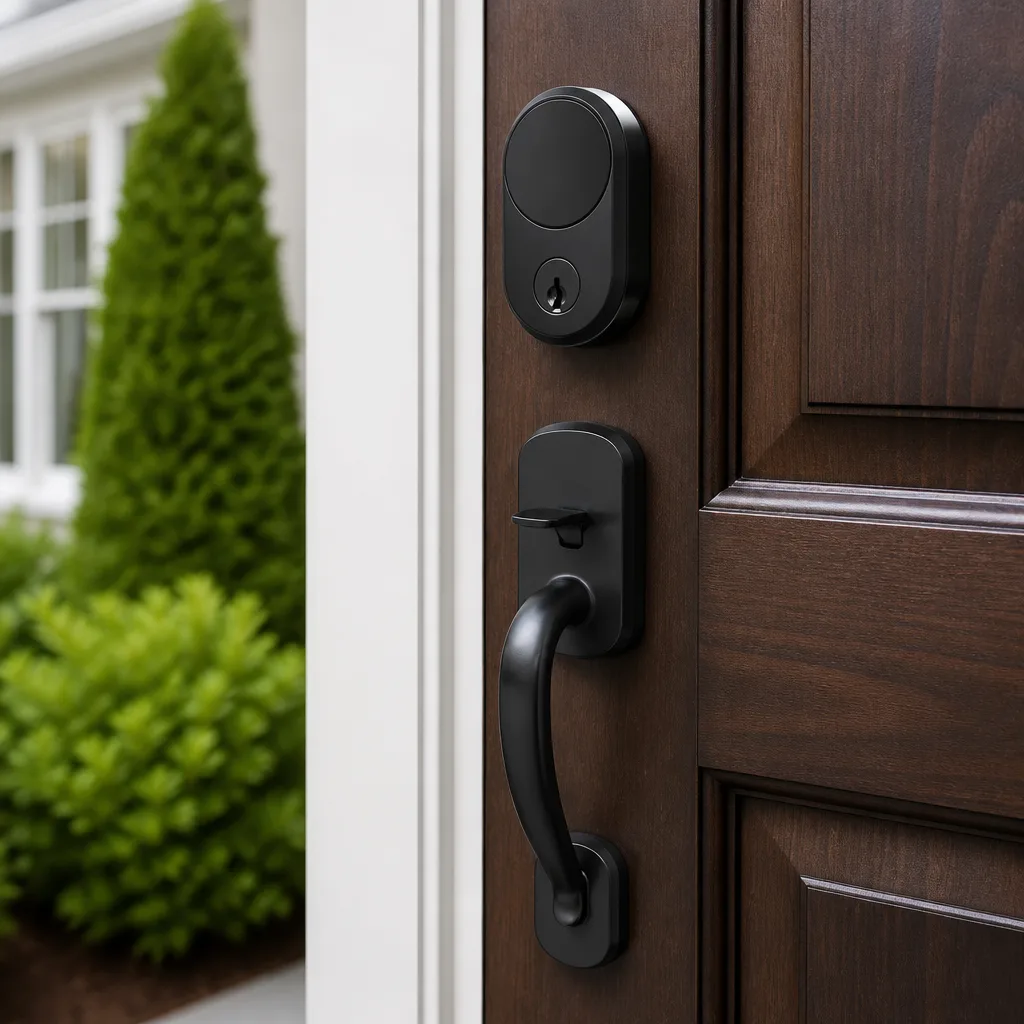 Smart locks
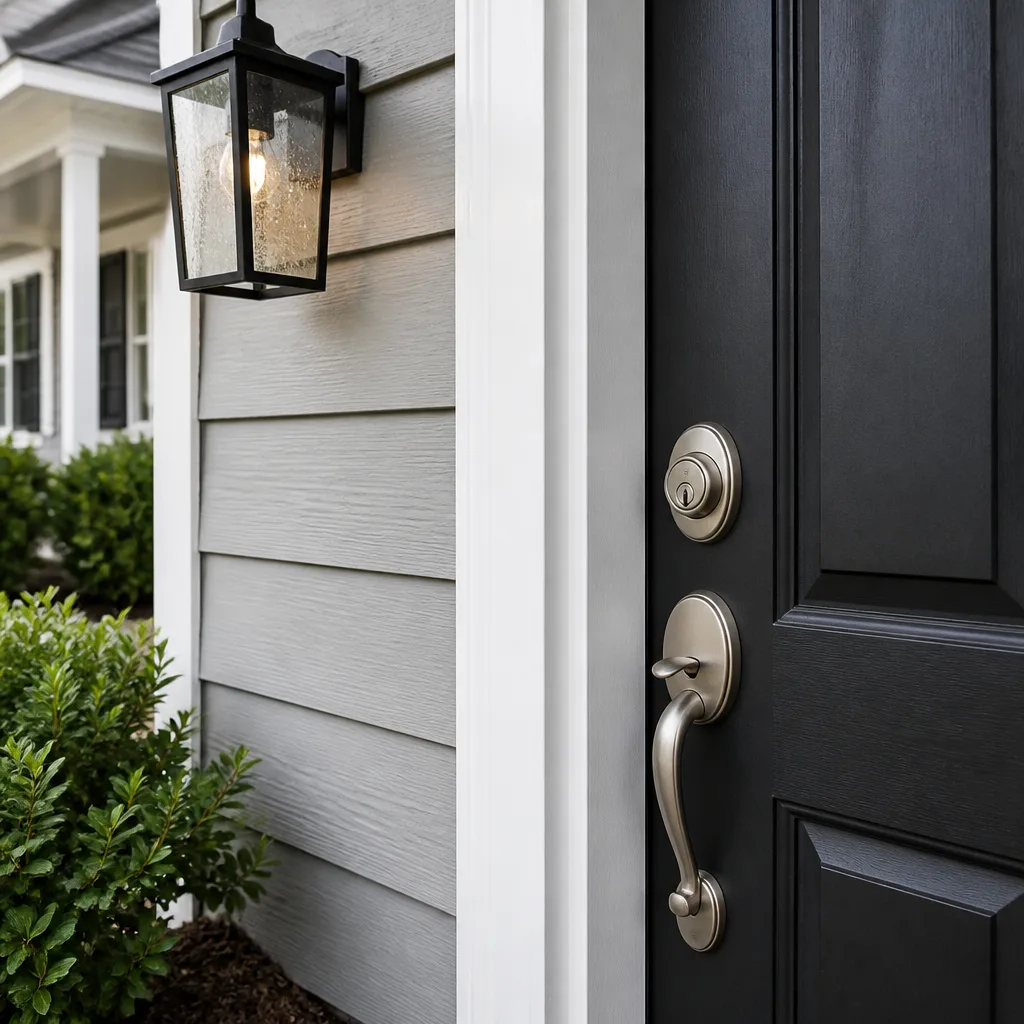 House lockouts
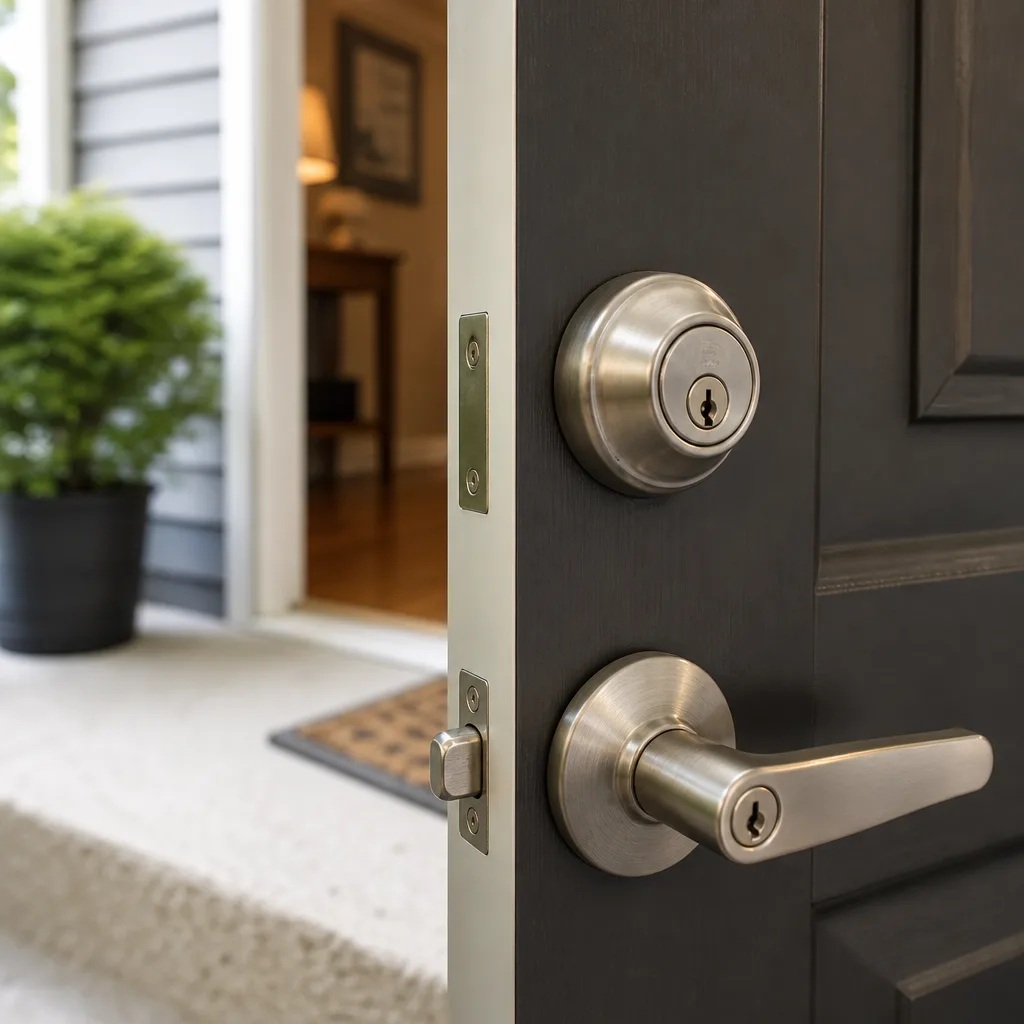 Re-keying
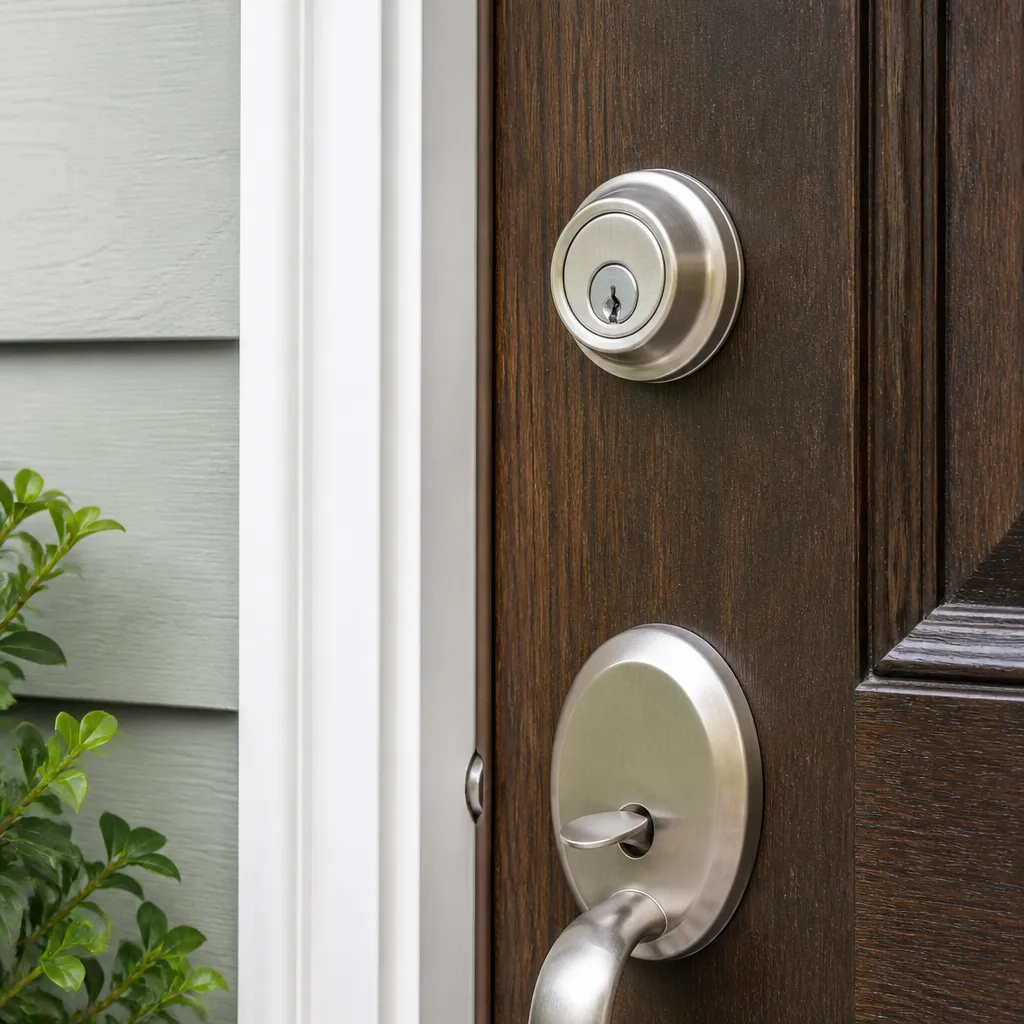 Deadbolt upgrades
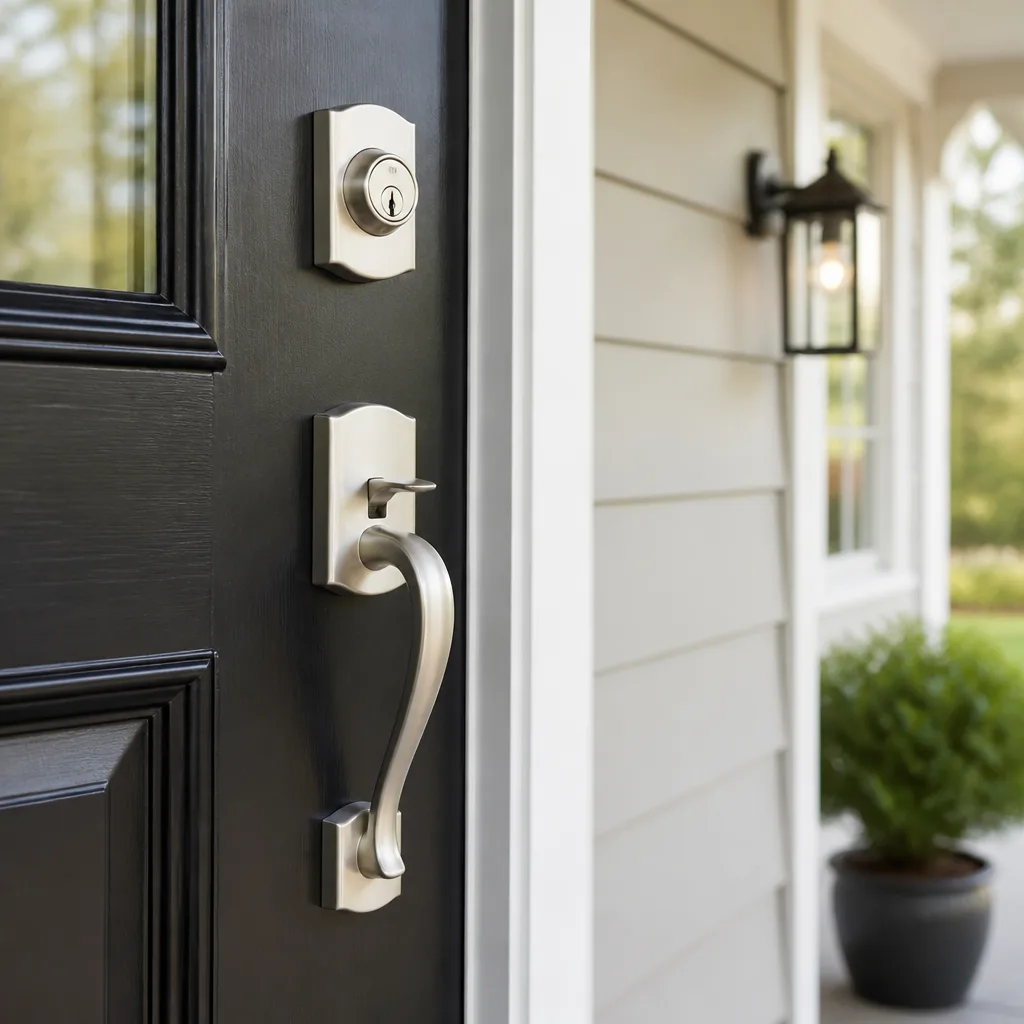 Schlage
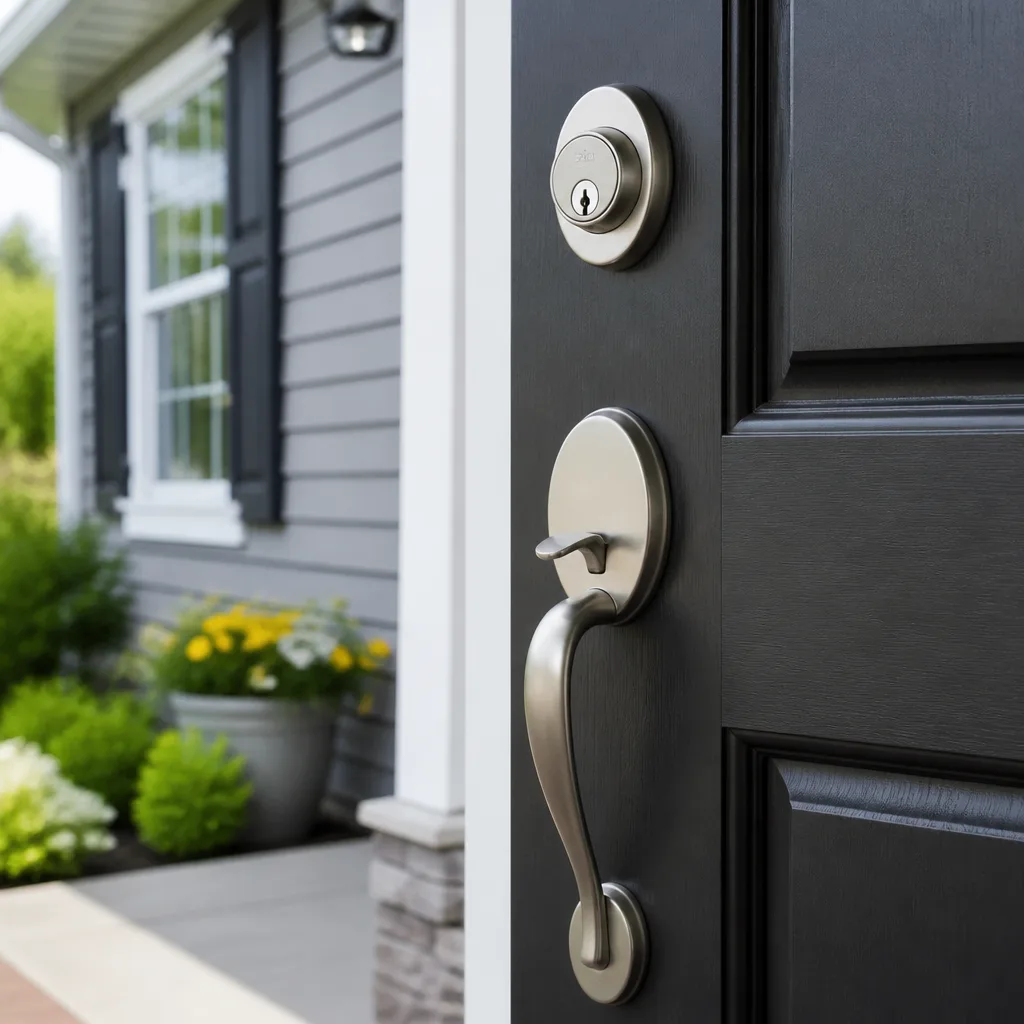 Kwikset
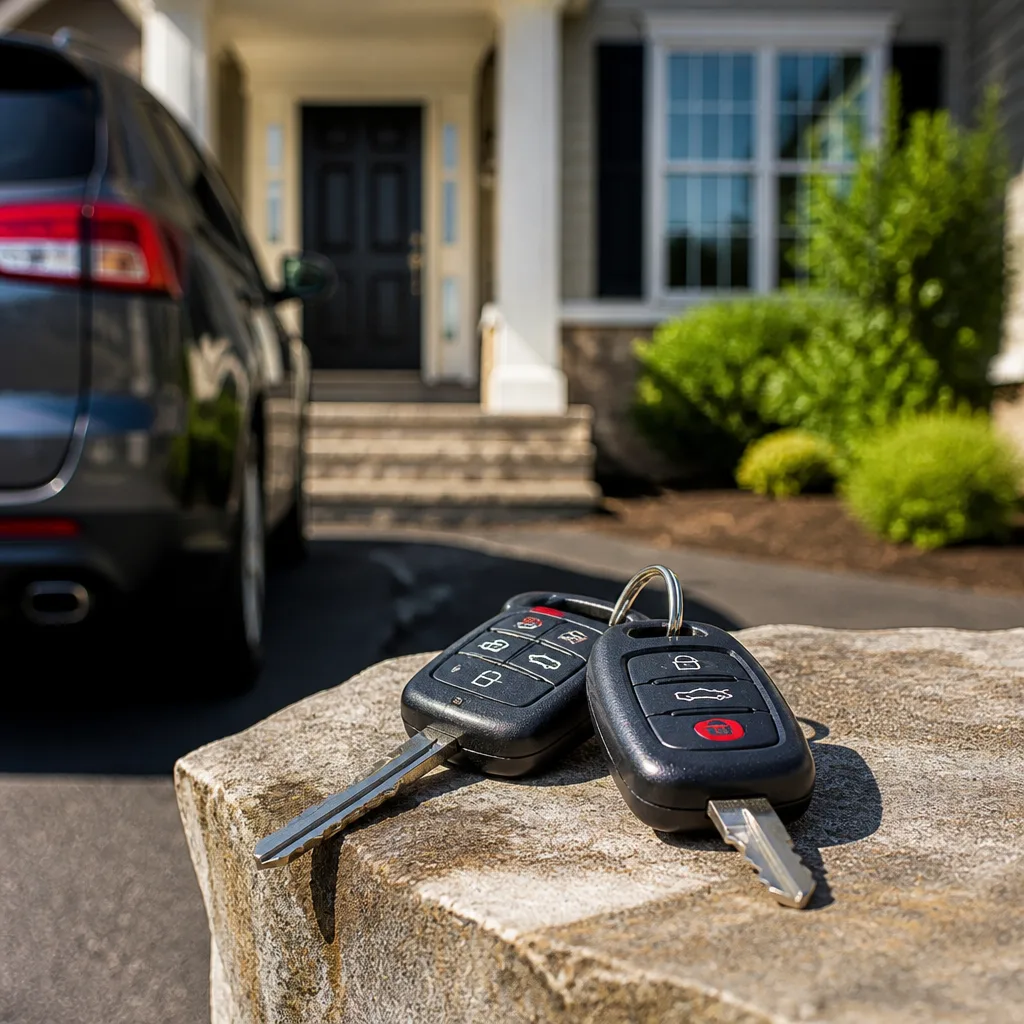 Car keys & fobs
Non-destructive entry first, always - and we re-key Schlage, Kwikset, and Baldwin locks on the spot while you watch
You get a price before we start. It does not change when we arrive. No surprises.
Get your free estimateLocksmith Emergency Preparedness Guide for Portland Homes
The average person spends 23 minutes searching for a locksmith during a lockout, and nearly all of that time is spent standing outside in the dark, vetting options they should have already vetted. Portland’s rainy winters make that wait feel twice as long, and the pressure to just pick someone, anyone, leads homeowners into overpriced service calls or, worse, unvetted technicians with drills instead of picks. We’ve watched this play out across Portland neighborhoods from St. Johns to Sellwood, and the pattern is always the same: the homeowner with zero plan pays more and waits longer than the one who spent 30 minutes preparing. This guide walks you through building that plan now, before you need it, so the next lockout costs you less time, less money, and less stress. For more guides & resources on Portland home security, see our blog.
Styles & brands we work with
Quick Answer
A locksmith emergency preparedness plan for your Portland home takes about 30 minutes to build and costs nothing. It means choosing and vetting one local locksmith in advance, saving their direct phone number in your phone, establishing a secure backup key system, and knowing what questions to ask during an emergency call. The payoff is real: when you’re locked out, you call a number you already trust instead of gambling on whoever ranks first in a frantic search.
Table of Contents
- Why Portland Homes Need a Different Locksmith Plan
- The 5-Minute Pre-Emergency Audit: Vetting a Locksmith Before You Need One
- Building a Secure Backup Key System for Portland’s Neighborhood Risk Profiles
- What to Expect and Ask During an Emergency Locksmith Call
- Rental and Apartment-Specific Considerations in Portland
- Post-Emergency Protocol: Evaluating Your Hardware After a Lockout
- Common Mistakes to Avoid
- When to Call a Professional
- Frequently Asked Questions
- The Bottom Line
Why Portland Homes Need a Different Locksmith Plan
Portland’s housing stock presents a security landscape that’s distinct from most American cities. The city’s older neighborhoods are dominated by homes built between 1900 and 1940: Craftsman bungalows in Richmond and Sunnyside, foursquares in Irvington and Alberta, and the occasional Victorian in Goose Hollow. These homes carry original doors and door frames, which means the lock hardware you’re securing today may have been fitted decades ago, through multiple layers of paint, settling, and prior hardware swaps. That’s not a reason to replace everything, but it is a reason to understand what’s on your door before an emergency forces the issue.
Portland’s climate adds another layer. The wet season, which runs roughly from October through May, causes wooden door frames to swell and contract with moisture cycles. A deadbolt that throws cleanly in August may bind in February. That’s not a sign of failing security; it’s a sign that the frame has shifted. But when a lock binds at midnight and the key won’t turn, the homeowner standing in the rain doesn’t care about moisture cycles. They care about getting inside. Having a locksmith who understands older Portland construction and how the local climate affects hardware means faster diagnosis and fewer unnecessary replacements.
Finally, Portland’s rental market creates a specific type of emergency. With roughly half of Portland households renting, lease agreements and property management protocols shape how lockouts should be handled. We’ll cover the rental specifics further down, but the short version is this: renters who understand their lease before an emergency spend less time locked out and more time inside.
None of this changes the fundamentals of lock security. A Kwikset deadbolt and a Medeco high-security cylinder both protect a door; they just do so at different cost points and with different key control. What changes is what to expect when you need help. A locksmith who regularly works on Portland’s older housing stock, from the century homes of Ladd’s Addition to the 1970s split-levels of Southwest, brings context that a generic service call cannot.
The 5-Minute Pre-Emergency Audit: Vetting a Locksmith Before You Need One
Here’s the counterintuitive truth about locksmith emergencies: the people best positioned to handle them calmly are the ones who did the work before anything went wrong. Building a pre-emergency plan takes about five minutes once, and then it sits in your phone, ready. Here’s the step-by-step audit we recommend to every Portland homeowner.
- Verify the locksmith’s physical presence. A legitimate local locksmith has a verifiable Portland-area business address, not just a toll-free number routed to a call center that dispatches whoever is cheapest. Check the business name against Oregon’s business registry, which is searchable online at no cost. If the business has no physical address in Portland or the surrounding metro, treat that as a red flag. Many “emergency locksmith” listings are lead-generation sites that sell your job to the highest bidder, and the technician who shows up may have no connection to the name on the ad.
- Confirm they service your specific Portland address. Some locksmiths list Portland as their service area but cover only certain quadrants. If you live in Deep Southeast beyond 82nd Avenue or in Northwest near Forest Park, confirm the locksmith actually dispatches to your neighborhood. Ask directly: “Do you service my zip code?” A real Portland locksmith will give you a straight answer.
- Save their direct number in your phone. Not a bookmark to a search engine results page. Not a memorized business name you’ll frantically type while standing outside. The actual phone number, saved under a contact name like “Locksmith – Emergency – Portland.” This is the single highest-leverage step in the entire audit.
- Ask about their commercial and residential licensing. Oregon requires locksmiths to maintain proper credentials. A legitimate operation will answer a licensing question directly and without hesitation. If a business dodges the question or changes the subject, find another one. We recommend writing the license status down next to their number so you’re not re-vetting during a crisis.
- Note their service scope. Do they handle home lockouts, car keys, and rekeying? You want one number for all three, because emergencies don’t announce themselves by type. The emergency locksmith services in Dundee that Northfield Lock & Key provides cover both automotive and property lockouts, so customers aren’t juggling separate providers when stress is already high.
That’s the entire audit. Five minutes, one time, and you’ve eliminated the single biggest risk factor in a Portland lockout: the 23-minute default search that leads to whoever spends the most on ads rather than whoever is most competent. We’ve responded to hundreds of lockouts where the homeowner told us they called us the second time, after an unvetted first call went sideways. Save yourself the first call.
Building a Secure Backup Key System for Portland’s Neighborhood Risk Profiles
Let’s address the fake rock and the magnetic key box directly: both are security theater. A fake rock sits exactly where someone looks for a fake rock. A magnetic key box under the car fender is the oldest trick in the book, and property crime patterns in Portland neighborhoods from Kenton to Woodstock prove that these hiding spots are routinely found. If you’re going to maintain a backup key, it needs to be genuinely secure. Here’s how to think about it.
Neighbor key exchange with a verified local. The most secure backup key system costs nothing and involves no hardware. Exchange spare keys with a neighbor you trust, ideally someone who’s lived on your block for at least a year. You hold their spare; they hold yours. This works because the person holding your key is a neighbor, not an anonymous hiding spot. The key stays inside their home, not outside. For added security, label nothing on the key itself. If someone were to access your neighbor’s keyring, a blank-labeled key reveals nothing about which door it opens.
Locked key safe with a code, mounted in a concealed location. If a neighbor exchange isn’t practical, a combination key safe is the next tier up. Choose a model with a push-button mechanical combination rather than a smart lock, and mount it in a location that isn’t visible from the street or the sidewalk. Portland’s side gates, back porches, and detached garage walls offer better concealment than a front porch column. The code should not be your house number, your birthday, or anything else guessable. Change the code twice a year.
Understanding what your key actually protects. Portland’s neighborhood risk profiles vary. Homes in inner Northeast and Southeast with heavy foot traffic and alley access face different risks than houses on quiet dead-end streets in Southwest. If your neighborhood has a known pattern of car prowls or package theft, assume that a visible key safe is a target too. The principle is the same regardless of neighborhood: make the key findable only to someone who already knows where to look.
One more consideration for older Portland homes: if your key is a Baldwin or Yale original that’s now decades old, it may have lost its original cut definition. A backup key that’s been duplicated three times over the years may no longer turn cleanly in the original lock. When you build your backup system, test the backup key in the door. Right then. Not during a lockout. If the backup key sticks or won’t turn, have a fresh copy cut from a working key and retest. We regularly see homeowners whose “backup” key was functionally useless when they finally needed it.
What to Expect and Ask During an Emergency Locksmith Call
When you’re locked out and you’ve already completed your pre-emergency audit, the call itself should move quickly. You’re calling a number you already vetted. You have their direct line saved. Here’s what a legitimate Portland locksmith should be able to tell you on the phone, and what you should ask if they don’t volunteer it. If you’re unsure how to vet one in advance, read our Locksmith Warning Signs: A Portland Homeowner’s Reference Guide.
What to expect. A legitimate locksmith will ask for your location first, then confirm the type of lockout: house, apartment, or vehicle. They’ll want to know whether the key is lost or simply locked inside, because that changes the approach. They’ll give you a technician name and a realistic arrival window based on where they’re dispatching from. In Portland, where traffic across the river can add 20 minutes to any drive time, an honest ETA matters more than a sugarcoated one. They’ll also walk you through the fee structure before dispatching, not after arriving.
What to ask.
- “Can you give me the technician’s name before they arrive?” A real locksmith can. A call center selling your lead cannot.
- “What’s the total service call fee, and does that include the unlock?” Some operations quote a low dispatch fee and then pile on additional charges on-site. You want the full price for the unlock, stated on the phone, before anyone rolls a truck.
- “Is the price you’re quoting now the final price on the invoice?” This is the single most important question. In an industry with a well-documented bait-pricing problem, a locksmith who won’t commit to a phone-quoted price is one you should not dispatch. Northfield Lock & Key quotes full prices on the phone before anyone is dispatched, and that’s the number on the invoice. No arrival surcharge, no unexpected add-ons for a standard lockout.
- “How will you open the lock?” A skilled locksmith will pick or bypass the lock non-destructively in most home lockout cases. Drilling is a last resort, only when a lock has failed mechanically or a key has broken off inside. If the answer is “we’ll just drill it” before the technician has even seen the door, consider that a red flag. Drilling means a replacement lock, which means a much higher final bill.
- “Do you handle rekeying and key replacement too?” The Northfield Lock & Key home service scope covers emergency response, rekeying, and car key replacement under one roof. Having a locksmith who can rekey a lock after a lost-key situation, rather than just letting you back in, closes the security gap immediately.
The call should take about three minutes. If it takes much longer than that, or if the person on the phone can’t answer these questions directly, hang up and call your second option. You built a plan for exactly this reason.
Rental and Apartment-Specific Considerations in Portland
Portland renters face a different set of questions during a lockout than homeowners, and too few of them know the answers before an emergency happens. Here’s what to know, whether you’re in a newer apartment building in the Pearl District, a converted fourplex in Alberta, or a bungalow rental in Montavilla.
Check your lease first. Most Portland leases have a clause about lockouts and emergency entry. Some property management companies maintain their own after-hours line and discourage tenants from calling outside locksmiths. Others explicitly allow it and reimburse the cost. Before you’re locked out, read the section of your lease about locks, keys, and emergency access. It’s a three-minute read that saves you from guessing during a crisis.
Landlord liability and reimbursement. Oregon landlord-tenant law does not require landlords to reimburse tenants for locksmith calls in every lockout scenario. If the lockout is caused by a lock mechanism failure, a landlord may be responsible. If you left your keys inside, you’re typically on the hook. Some Portland property managers will reimburse a locksmith call as a goodwill gesture; some won’t. The practical rule: call your property manager or landlord’s emergency line first if you’re locked out of a rental, especially if you’re in a larger building. They may have a locksmith on file who’s already authorized to work on the building’s hardware. If they don’t answer, then call your own locksmith and sort out reimbursement later.
Know whether your building has a master key system. Many Portland apartment buildings with more than eight or ten units use master key systems. A technician who doesn’t know the building’s system may not be able to open your unit without damaging the hardware. When you call a locksmith for a rental property, tell them upfront whether the building uses master keys or restricted keyways. This matters for condos and newer mid-rise buildings in the Killingsworth corridor and along Division Street, where key control is often stricter than in older Portland housing stock.
When to call the property manager before the locksmith. Three scenarios: first, when your lease requires it. Second, when the lock itself has failed rather than you losing the key, because that’s likely the landlord’s repair responsibility. Third, when you’re locked out of a common area rather than your own unit. For a straight “I left my keys inside” moment at 11pm, calling a locksmith directly is usually the fastest path back inside. The rekeying services in Dundee that Northfield provides are particularly relevant for renters after a lockout, since rekeying is often cheaper and equally secure compared to replacing hardware.
Post-Emergency Protocol: Evaluating Your Hardware After a Lockout
The service call is the right moment to evaluate whether the hardware that just failed you was the right hardware for your door. Here’s how to think about it, and how to have that conversation with the technician while they’re still on site.
Ask the technician what they saw. When a locksmith opens your door, they’ve just spent several minutes examining your lock, your door frame, and your strike plate up close. Ask them what condition the hardware is in. Was the cylinder worn? Was the deadbolt extending fully into the strike? Was the frame loose? In our experience across Portland’s older housing stock, a stuck key or a lock that won’t throw is frequently a symptom of frame settling or a strike plate that’s drifted out of alignment, not a failing cylinder. A good technician will tell you what they observed and what it means.
Assess whether rekeying is the right next step. If your keys are lost rather than locked inside, rekeying is the appropriate response. Rekeying costs a fraction of replacement and delivers the same result: the old key stops working. If the cylinder itself is worn or damaged, rekeying won’t fix that, and replacement may be the honest recommendation. The point is that you want a locksmith who sees rekeying as a legitimate security solution, not as a lesser substitute to be skipped in favor of a hardware upsell. Rekeying a lock with new pins is a precise operation that resets the entire keying of that cylinder, and it’s often the right call after a lost-key lockout.
Consider whether your hardware tier matches your actual risk. This is where the brand range matters. A 1950s-era Kwikset knob on a back door in a high-traffic Portland neighborhood is doing a different job than a Medeco deadbolt on a front door. The right lock for the right door means matching the hardware to the risk. You don’t need a high-security cylinder everywhere, but you may want one on the doors that matter most. A technician who works with eight brands, from everyday Schlage and Kwikset through Medeco and Abloy high-security systems, can give you an honest recommendation without being captive to any single manufacturer’s lineup.
Make the replacement decision before the technician leaves. If replacement is genuinely needed, you’ll get a better price and faster installation while the technician is already on site. If rekeying is sufficient, that’s a 15-minute procedure. The key is that the conversation happens then, not after you’ve paid for the call and the technician is gone. Post-emergency is the single best time to reset your security posture, because the evidence of what failed is right in front of you.
Common Mistakes to Avoid
- Searching for “emergency locksmith near me” while standing outside your locked door. This is how you end up with a national lead-generation service that dispatches an unvetted technician at a 40% markup. The competitive landscape of emergency locksmith advertising rewards spend, not competence.
- Accepting a phone quote like “$29 service call” without asking about the unlock fee. That low number is the dispatch fee, not the job. The unbundled unlock, labor, and after-hours charges get added on arrival. A legitimate locksmith quotes the total job price on the phone.
- Using a backup key that you’ve never tested. As noted above, keys that were cut from copies of copies lose their definition over time. A backup key that doesn’t turn is not a backup key; it’s an emergency you haven’t discovered yet.
- Hiding a key in a fake rock or magnetic box. These are the first places anyone looks, and property crime in Portland is too organized to fall for them. Use a neighbor exchange or a concealed code safe instead.
- Telling a locksmith to drill before they’ve examined the lock. Drilling destroys the cylinder and turns a $100 lockout into a $250 lockout plus a new lock. Non-destructive entry should always be the first approach for a standard residential lockout.
- Skipping the rekey after a lost-key situation. If your keys are lost and you don’t know where, the door can’t tell you whether someone else has found them. Rekeying resets that risk to zero for a fraction of the cost of replacement hardware.
- Not asking for the technician’s name before dispatch. When a nameless “technician” shows up, you’ve lost the ability to hold anyone accountable. A legitimate Portland locksmith gives you a name and stands behind the work.
When to Call a Professional
Some lock situations are genuinely out of scope for a homeowner, and the threshold matters. If a key has broken off inside the cylinder, extraction requires special tools and a steady hand. If a deadbolt has failed mechanically and the key turns without retracting the bolt, the lock may need to be drilled, which is a controlled process. If you’ve lost all copies of a key for a high-security cylinder from Medeco or Mul-T-Lock, duplication requires access to the original key card or registered locksmith credentials. In all of these scenarios, attempting a fix yourself often makes the eventual professional repair more expensive. Northfield Lock & Key offers free estimates in Portland. Call (855) 341-3373 for an honest assessment before you commit to anything.
Frequently Asked Questions
A residential lockout in Portland typically runs $85 to $160 for a standard non-destructive entry during business hours, with after-hours calls falling between $140 and $250 depending on the time and location. High-security cylinders or broken-key extractions add cost. The price to anchor on is the total you’re quoted on the phone, not the dispatch fee. Call (855) 341-3373 for an exact quote before anyone is dispatched.
At Northfield Lock & Key, yes. The full price is quoted on the phone before anyone is dispatched, and that is the price on the invoice. We don’t add arrival surcharges or undisclosed after-hours fees. If a locksmith won’t commit to a firm phone quote, consider that a warning sign. Call (855) 341-3373 for a straight answer.
In most residential lockout cases, yes. A skilled locksmith can pick or bypass standard pin-tumbler locks from Kwikset, Schlage, Yale, and Baldwin without damaging the hardware. Drilling is a last resort for broken keys, seized cylinders, or high-security locks that can’t be bypassed non-destructively. The technician should explain the approach before touching the door.
Response time depends on your location and the time of day. During daytime hours, most Portland locksmiths reach the central city within 30 to 45 minutes. Night and weekend calls can run longer, especially across the river where bridge traffic and dispatch distances stretch ETA. When you call, ask for a realistic window based on where the technician is currently dispatched from. For immediate assistance, call (855) 341-3373 and we’ll give you a straight arrival estimate.
Rekeying is the right choice in nearly every lost-key scenario. The process resets the cylinder’s internal pins so the lost key no longer works, and it costs significantly less than replacing the hardware. Replacement only makes sense when the cylinder itself is worn out or damaged. If you’ve lost keys in Portland and want to reset your locks, rekeying services in Dundee are available from Northfield Lock & Key at a fraction of replacement cost.
Yes. High-security cylinders from Medeco, Mul-T-Lock, and Abloy require specialized training and tooling that most locksmiths don’t have. These brands use restricted keyways and patented key control systems, which means keys can’t be duplicated at a hardware store, and servicing the cylinders requires brand-specific knowledge. Northfield Lock & Key carries the authorization and tooling to properly service these systems. For car key replacement in Dundee or high-security residential work, call (855) 341-3373 to confirm whether your hardware falls within our service scope.
The Bottom Line
A locksmith emergency is one of the few household crises you can fully prepare for in half an hour, and Portland homeowners who do the work upfront avoid the two biggest costs: the inflated bill from an unvetted technician and the stress of handling it all while locked out. The pre-emergency audit, a secure backup key system, and a list of the right questions to ask during the call cover 90% of the risk. The remaining 10% is knowing when to call a professional with the right tools and brand knowledge for the lock on your door. Build the plan, save the number, and the next lockout stops being an emergency and becomes a 20-minute inconvenience.
Written by the team at Northfield Lock & Key, serving Portland since 2012.