
Last updated October 31, 2026
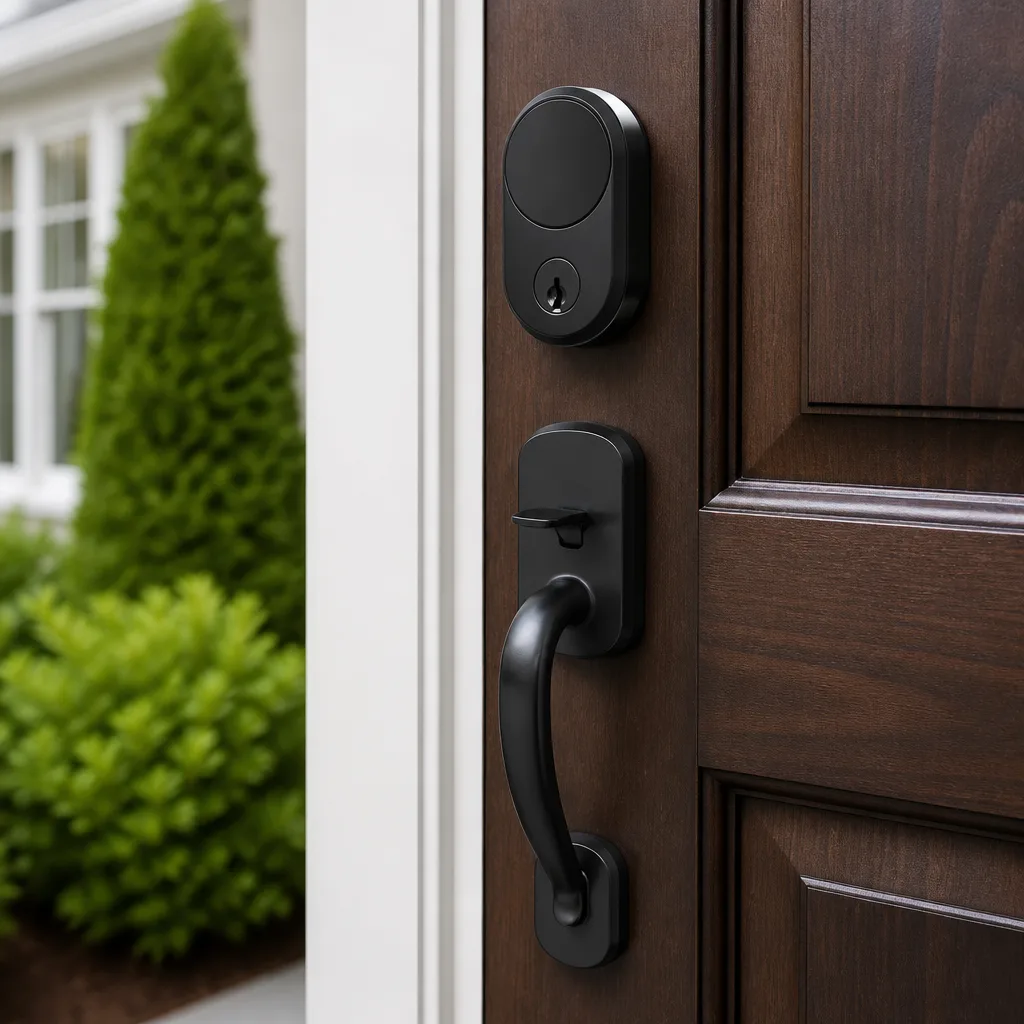 Smart locks
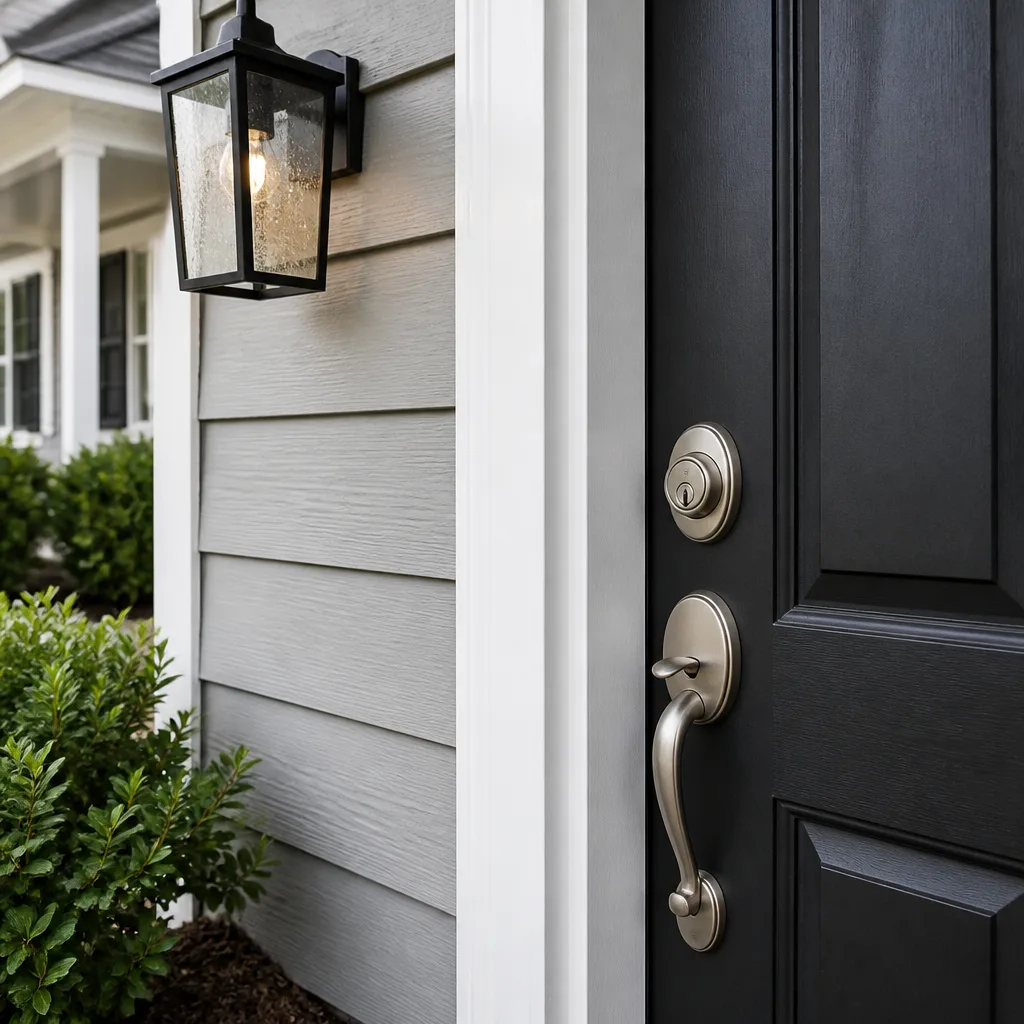 House lockouts
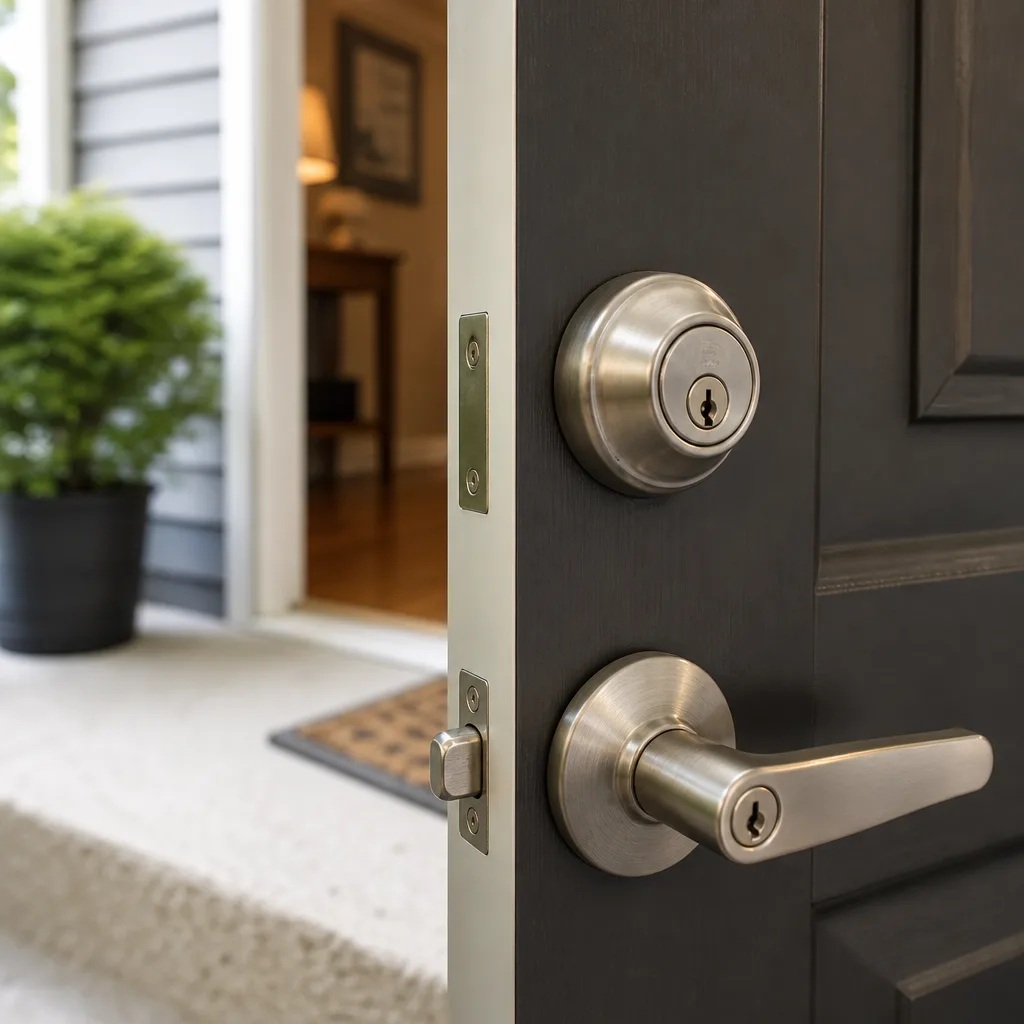 Re-keying
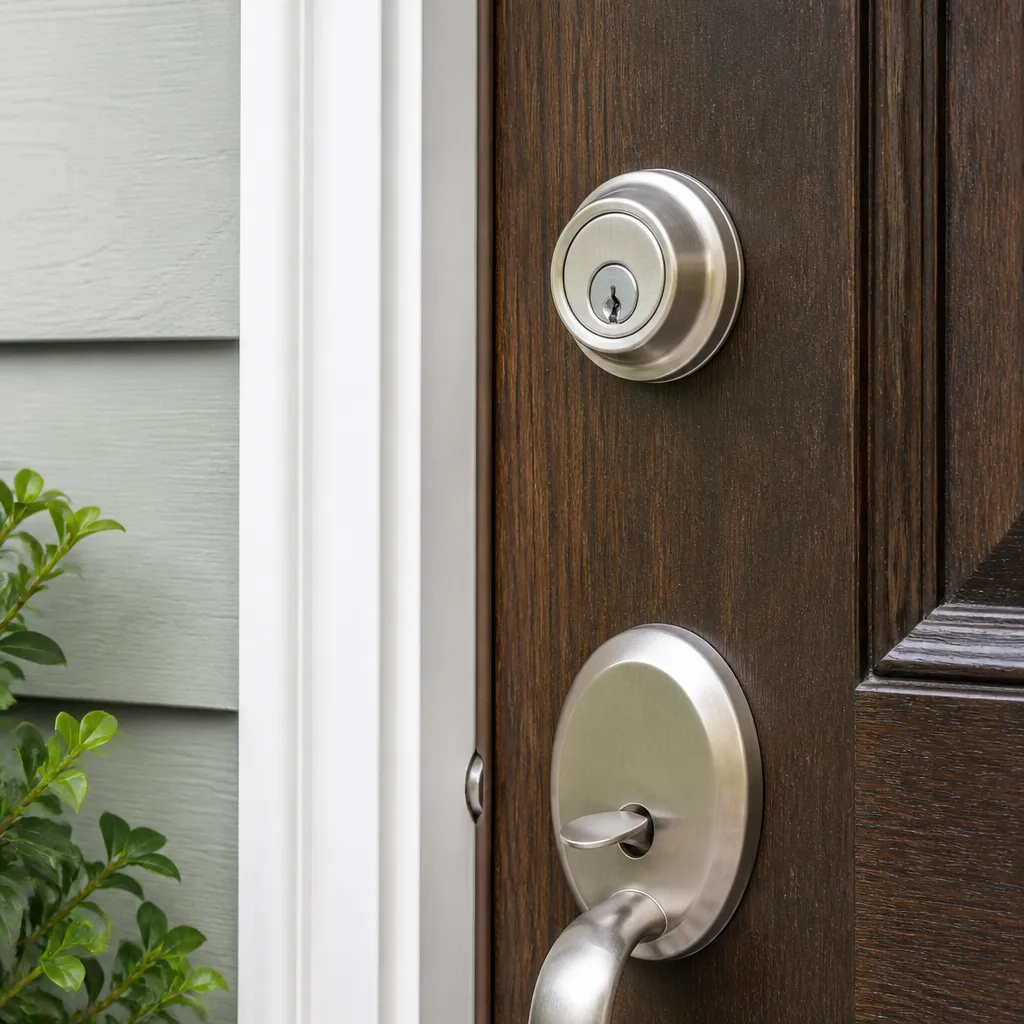 Deadbolt upgrades
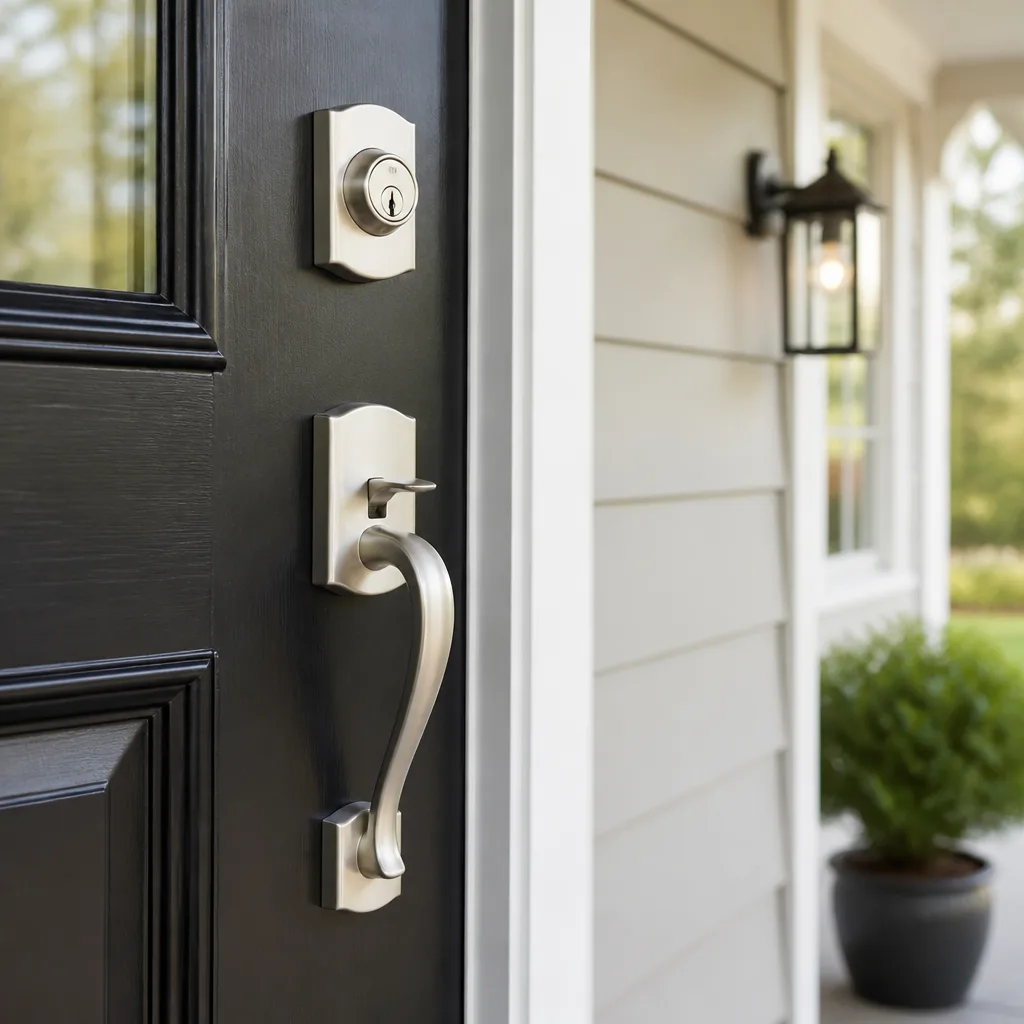 Schlage
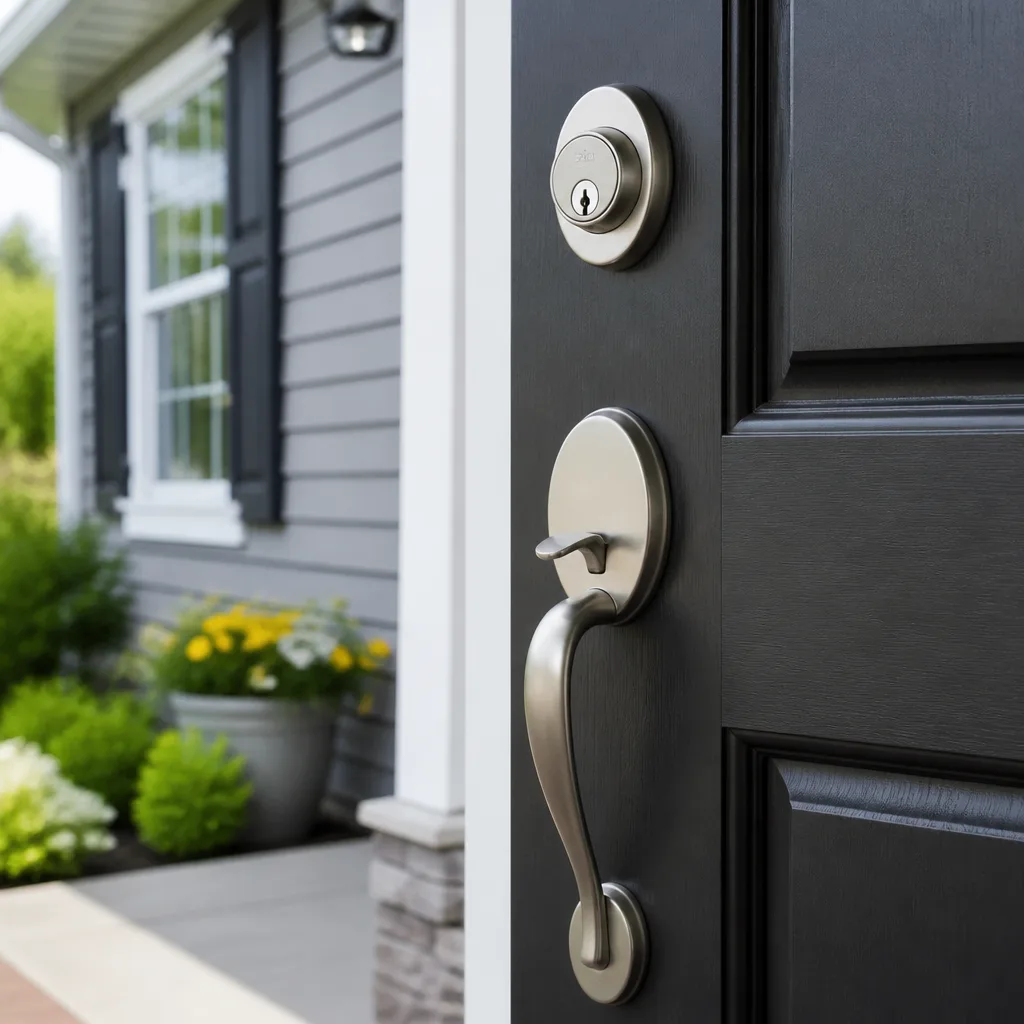 Kwikset
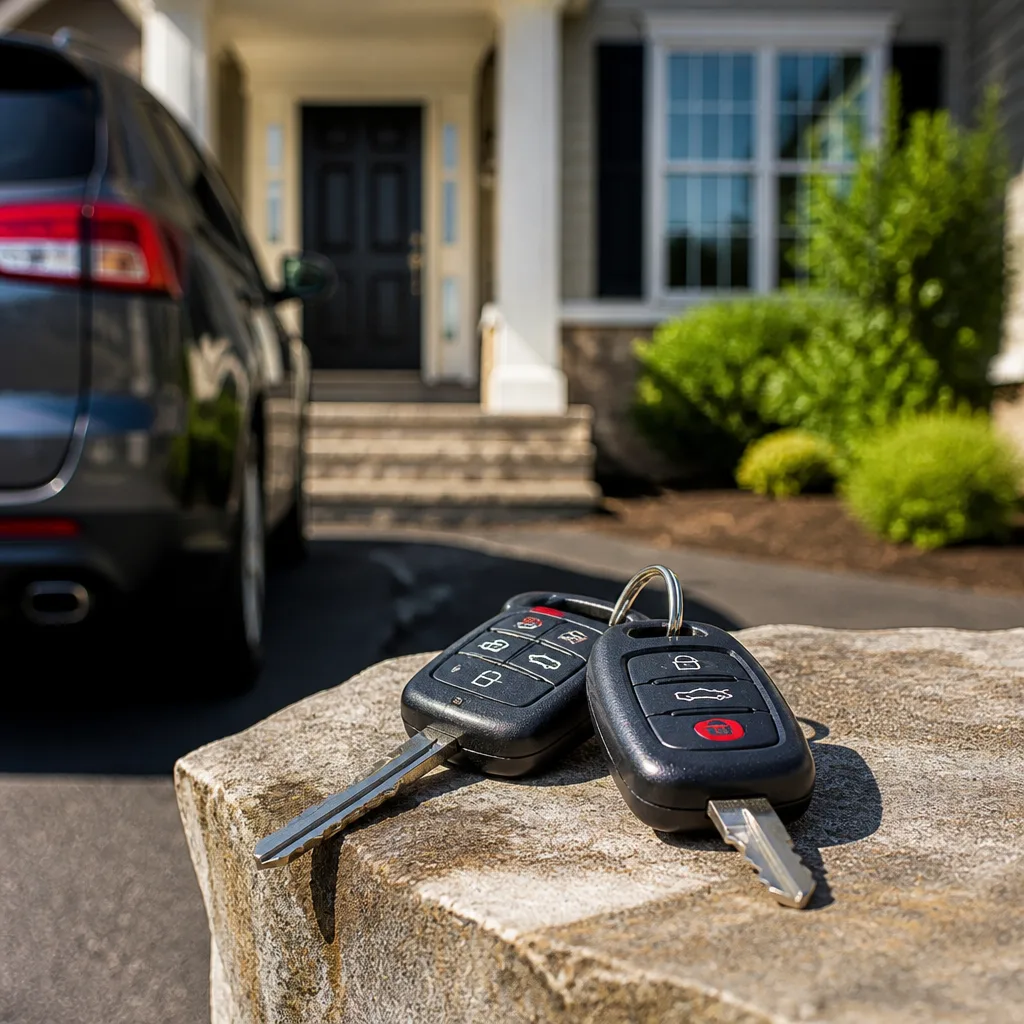 Car keys & fobs
Non-destructive entry first, always - and we re-key Schlage, Kwikset, and Baldwin locks on the spot while you watch
You get a price before we start. It does not change when we arrive. No surprises.
Get your free estimateLocksmith Warning Signs: A Portland Homeowner’s Reference Guide
Here’s a number that should make every Portland homeowner pause: the most common locksmith scam in the United States doesn’t involve a fake technician. It involves a real one who arrives at your door, reaches for a drill within the first ninety seconds, destroys a deadbolt that could have been picked or bypassed in under a minute, and then charges you $400 for a replacement cylinder that cost $12 wholesale. The drill isn’t a tool of last resort in these scenarios. It’s a revenue strategy. This guide will teach you how to recognize that strategy before it happens to you, how Portland’s specific housing stock makes certain homes more vulnerable to it, and the exact questions to ask that separate a craftsman from a commission-chaser. For more guides & resources on protecting your home, explore our blog.
Quick Answer
The most reliable warning signs of a problematic locksmith in Portland are: a technician who reaches for a drill on a standard residential deadbolt within the first two minutes without attempting non-destructive entry first, a quote that can’t be itemized into labor and parts, a phone number that routes to a national dispatch center rather than a local operator, and any refusal to provide a written invoice with a company name and license information before work begins. A legitimate Portland locksmith will be able to name the brand of lock on your door, explain their pricing before touching anything, and answer direct questions about their business without hesitation.
Styles & brands we work with
Table of Contents
- The Drill-First Tactic: The Single Biggest Red Flag
- How to Evaluate an On-the-Spot Quote: The Three Line Items That Matter
- Dispatch Mills vs. Local Operators: Know Who You Actually Called
- Hardware Upsell Red Flags: When a $200 Cylinder Is Legitimate Advice vs. a Margin Play
- What a Legitimate Locksmith’s Van, Identification, and Invoice Should Look Like
- Portland-Specific Vulnerabilities: Older Housing Stock and Common Lock Hardware
- Rekey vs. Replace: When Drilling Is Actually Justified
- Ten Questions to Ask Before Any Locksmith Touches Your Door
The Drill-First Tactic: The Single Biggest Red Flag
Let’s be direct about this: any technician who reaches for a power drill on a standard residential deadbolt within the first two minutes of arriving at your Portland home is either unskilled or running a replacement-sale scheme. There’s no third explanation. Standard residential hardware, the Schlage and Kwikset cylinders found on most doors throughout Portland’s older neighborhoods, can almost always be picked, bumped, or bypassed by a technician with even intermediate training. Drilling is sometimes necessary. It is almost never necessary as a first move.
In our experience working on homes throughout Portland, from the 1920s bungalows in Sellwood to the mid-century ranches in East Portland, we’ve seen the aftermath of this tactic repeatedly. A homeowner gets locked out. They call a number they found in a moment of panic. The technician arrives, takes a quick look, says the lock is “too old” or “too secure” to pick, and drills it out in under a minute. The homeowner now needs a new deadbolt. The technician conveniently has one in the van. The total bill: $300 to $500 for a job that should have cost $75 to $150 for a simple lockout.
Here’s the reality that rarely gets explained: a properly trained locksmith can pick or bypass most residential cylinders in under 60 seconds. The tools for this are standard equipment. The skill is not exotic. When a technician skips that step, it’s because the replacement sale is where the profit lives, not because the lock presented any actual challenge. At Northfield Lock & Key, our position on this is simple: drilling is a last resort, always, and if we recommend it, we’ll show you exactly why before we make the first cut.
How to Spot the Drill-First Pattern Before It Happens
- Watch the first 90 seconds. A legitimate technician will examine the lock, identify the brand, and likely pull out a pick set or bypass tool. If you see a drill come out before any attempt at non-destructive entry, stop the job.
- Listen for a diagnosis. Before touching anything, the technician should be able to tell you what kind of lock you have, how it’s likely to respond, and what the plan is. “It’s too secure to pick” is not a diagnosis. It’s a sales pitch.
- Ask one question: “Is there a non-destructive way to get this open?” A legitimate locksmith will answer yes or explain specifically why not, referencing the brand, the condition, or a known failure mode. A vague answer is your cue to decline the work.
- Check for a replacement pitch. If the technician starts talking about new hardware before the old hardware is even off the door, that’s a signal. A legitimate operator focuses on the job at hand first.
Portland’s housing stock intensifies this issue. Many homes in older neighborhoods like Irvington, Alberta Arts, and Woodstock still have original hardware from decades past, locks that have been weathered by our damp winters and can be genuinely difficult to pick due to corrosion or wear. Our Seasonal Locksmith Care for Portland: Year-Round Homeowner’s Guide covers how to protect your locks from weather damage. That’s a real factor, but it doesn’t justify skipping straight to a drill. A skilled technician will attempt non-destructive entry first, and if drilling becomes necessary, will explain the specific mechanical reason.
How to Evaluate an On-the-Spot Quote: The Three Line Items That Matter
A legitimate locksmith quote should be boring. It should have three components: labor, parts at verifiable cost, and any after-hours or emergency premium. If a technician can’t or won’t break out these three line items before starting work, that’s not a pricing strategy. That’s concealment.
Here’s what each line item should look like in practice:
- Labor: This is the technician’s time and skill. It should be quoted as a flat service call fee plus an hourly or per-job rate. In the Portland market, a standard lockout or rekey typically involves a service call fee that covers the technician’s travel to your location, plus the actual work time.
- Parts at verifiable cost: If hardware is being replaced, the technician should be able to name the brand and model, and the price should be close to what that same item costs at a hardware store or locksmith supply house. A Schlage B560 deadbolt retails for roughly $30 to $45. A Kwikset SmartKey deadbolt is comparable. If the quote for a “high security” cylinder is $180 and the technician can’t name the manufacturer, that’s a markup red flag.
- After-hours premium: Portland locksmiths, including emergency locksmith services, typically charge more for nights, weekends, and holidays. That’s legitimate. But the premium should be disclosed upfront and itemized, not buried in a single inflated number. If you called at 9 PM and the premium is $50, you should see that $50 as a separate line item.
- Ask the person on the phone where the company is based. A local Portland operator will answer immediately with a neighborhood or street reference. A dispatch center will give a generic answer or a city name that doesn’t match any actual business address.
- Ask for the technician’s name before dispatch. A local operator can often tell you who’s on shift. A dispatch mill typically can’t because they don’t actually know who will take the job.
- Ask if the technician is an employee or a contractor. Local locksmith companies in Portland generally have staff technicians. Dispatch mills use independent contractors. Neither is automatically bad, but you have a right to know who’s responsible if something goes wrong.
- Check the vehicle description. A local operator can tell you what kind of vehicle the technician drives and what’s on it. If the person on the phone can’t answer that, you’re likely talking to a dispatcher with no connection to the actual service provider.
- Worn hardware is a genuine security vulnerability. A cylinder with a badly worn keyway is easier to bypass, and a technician who identifies this and recommends replacement is giving you real security advice. This is not a scam.
- “Old” is not the same as “unpickable.” A 60-year-old Schlage cylinder in decent condition can still be picked by a competent technician. If the first thing you hear is “this lock is too old to pick,” ask for a specific explanation. Age alone is not a mechanical diagnosis.
- What’s the total price, broken down by labor and parts? A legitimate locksmith can itemize this on the phone before dispatch. If they can’t, hang up and call someone else.
- Is the price you’re quoting the final price on the invoice? The honest answer is yes. Any hedge about “unforeseen complications” should be followed by a commitment to call before any price changes.
- Are you licensed in Oregon? The answer should be yes, and the technician should be able to show the license on arrival.
- What’s the company name that will appear on my invoice? If it’s different from the name you called, that’s a red flag. Ask why.
- Will you attempt non-destructive entry before drilling? The answer should be yes, with an explanation of when drilling becomes necessary.
- What brand of lock do you typically work with? A technician who can name the brands they service, from Schlage and Kwikset to Yale and Baldwin, and even high-security systems like Medeco, is a technician who actually knows locks.
- Do you offer rekeying as an alternative to replacement? If the answer is no, be cautious. Rekeying is a fundamental locksmith service, and a company that doesn’t offer it is likely pushing replacement sales.
- Who is the technician being dispatched, and are they an employee? You have a right to know who’s coming to your home and their relationship to the company you called.
- What’s your physical address in Portland? A local operator will give you one. A dispatch mill will dodge the question.
- Is there a service call fee if I decline the work after the quote? Some companies charge a trip fee for showing up. Know before you commit. A legitimate operator will disclose this when you call.
A refusal to itemize is one of the most reliable warning signs in the industry. When a technician quotes $280 for a lockout and can’t tell you how much of that is labor versus parts versus emergency premium, walk away. At Northfield Lock & Key, every quote we provide is itemized on the phone before dispatch, and the price we quote is the price on the invoice. No call-out surcharge added on arrival. That’s how honest operators work, and it’s what you should expect from any locksmith in Portland.
Dispatch Mills vs. Local Operators: Know Who You Actually Called
Here’s a scenario Portland homeowners encounter constantly: you search for a locksmith, call a number that appears local with a 503 or 971 area code, and the person who answers is in a call center in another state. That call center books the job and dispatches a technician who may or may not be licensed, insured, or even local. This is the dispatch mill model, and it’s responsible for a large share of the bad-faith locksmith experiences reported across the country.
Dispatch mills work by dominating search results and phone directories with generic listings that appear local. They contract with independent technicians, often with minimal vetting, and take a cut of every job. The technician who shows up at your door may be competent or may be someone with a drill and a van. The company whose name you called has no direct accountability for the work.
How to identify a dispatch mill before anyone shows up at your door:
Northfield Lock & Key operates as a local Portland business. When you call us at (855) 341-3373, you’re talking to someone who can tell you about the job, the pricing, and the technician before anyone heads to your location. That’s not a marketing claim. It’s how a local operator structures their business, and it’s the difference between accountability and a phone number that evaporates when something goes wrong.
Hardware Upsell Red Flags: When a $200 Cylinder Is Legitimate Advice vs. a Margin Play
Sometimes a recommendation to upgrade your hardware is sound security advice. Sometimes it’s a technician looking to pad the invoice. Here’s how to tell the difference.
The legitimate upgrade conversation happens when the technician can name the specific security vulnerability your current hardware has and explain what the upgrade addresses. For example, many Portland homes still have Kwikset cylinders from the 1990s that are vulnerable to bumping, a technique that opens many standard pin-tumbler locks in seconds. A technician who recommends upgrading to a bump-resistant cylinder or a high-security system like Medeco is addressing a real, documented weakness. Medeco cylinders require specialized training and tooling to service, which is why most generalists don’t offer them, but the security difference is measurable and real.
The margin-play conversation sounds different. The technician recommends a $200 cylinder without naming the brand, without explaining the specific vulnerability, and often without even examining your current hardware closely. Here’s the question that separates the two scenarios:
“What specific vulnerability does my current lock have that this upgrade addresses?”
A legitimate technician will answer this immediately. “Your Kwikset is a standard pin-tumbler that can be bumped. The Schlage B60 I’m recommending has spool pins that resist bumping.” Or: “Your cylinder is original to the 1960s and the keyway is so worn that any key with a similar profile can jiggle it open. I can show you.” A technician running a margin play will stumble, talk in generalities about “security” and “peace of mind,” or change the subject back to price.
Here’s the other thing to know: replacing hardware isn’t always the answer. Rekeying is often the more practical solution, and it costs a fraction of replacement. If you’ve lost keys, moved into a new home, or ended a relationship, rekeying your locks in Portland resets the security completely without replacing functional hardware. A technician who pushes replacement when rekeying would accomplish the same goal is not serving your interests. At Northfield Lock & Key, we treat rekeying as a distinct security service, not a lesser substitute for replacement.
What a Legitimate Locksmith’s Van, Identification, and Invoice Should Look Like
Before a technician touches your door, you should be able to verify three things: the vehicle, the identification, and the invoice process. Honest operators expect these questions and answer them without hesitation. Dishonest ones get defensive.
The Van
A legitimate Portland locksmith’s vehicle will be marked with a company name, usually a phone number, and sometimes a license number. The marking may be a full wrap or magnetic signs, but it should be visible. Ask yourself: does the company name on the van match the company name you called? If you called “Portland Locksmith Pros” and the van says “Steve’s Lock Service,” that’s a disconnect worth asking about. Note the license plate. It’s a reasonable ask, and it’s the kind of information that’s valuable if something goes wrong.
The Identification
The technician should be able to show identification that ties them to the company you called: a badge, a uniform, a business card, or all three. In Oregon, locksmiths are required to be licensed, and that license should be verifiable. Ask to see it. A legitimate technician carries proof and shows it without drama.
The Invoice
This is where a lot of bad actors reveal themselves. A legitimate invoice from a Portland locksmith should include: the company’s legal name (not just a generic “Locksmith Service”), a physical address or PO box, the technician’s name, an itemized breakdown of labor and parts, the date and time of service, and the license number if required. It should not be handwritten on a blank piece of paper with a total and a squiggle. A refusal to provide an itemized receipt before payment is not a quirk. It’s a warning sign.
In our experience, the specific asks that separate honest operators from the rest are simple: “Can I see your license?” “Can I get an itemized invoice?” “What’s the company name on the invoice going to be?” We answer all three without hesitation because they’re reasonable questions from a customer who’s about to let a stranger work on their security. You should expect the same from any locksmith in Portland.
Portland-Specific Vulnerabilities: Older Housing Stock and Common Lock Hardware
Portland’s housing stock creates particular security conditions that homeowners should understand. It also creates particular opportunities for the drill-first technician to justify destructive work by blaming the age of your hardware.
The majority of Portland homes built before 1960 have original or near-original door hardware. That means Schlage and Kwikset cylinders that have been in service for 40, 60, or in some cases 80 years. These locks have seen decades of Portland’s damp winters, and the internal components can be corroded, worn, or gummed up with old lubricant. A worn cylinder with a loose keyway can sometimes be opened with a key that isn’t even cut for it, a condition known as “keyway wear” that’s common in older Southeast and North Portland neighborhoods.
This creates two realities homeowners should understand:
The other Portland-specific factor is moisture. Our climate accelerates internal corrosion in locks without regular maintenance. Deadbolts on north-facing doors, which get less direct sun and dry more slowly after rain, are particularly prone to seized pins and stiff operation. A technician who can identify this and address it, either by cleaning and lubricating or by recommending replacement if the wear is too far gone, is doing their job. A technician who uses “rust” as a blanket justification for a drill without examining the cylinder is not.
The practical takeaway for Portland homeowners: if you live in an older home with original hardware, it’s worth having your locks inspected and maintained before you’re in an emergency. A Car Key Replacement Maintenance Checklist for Portland Homeowners can help you stay ahead of similar issues with your vehicle keys. A quick evaluation, repinning, or lubrication can prevent a midnight lockout where you’re too distracted to evaluate the technician at your door critically.
Rekey vs. Replace: When Drilling Is Actually Justified
There are legitimate scenarios where drilling is the correct call. Understanding these helps you distinguish necessity from salesmanship.
Drilling becomes justified when: the cylinder is so corroded or damaged that picking tools can’t engage the pins; the lock is a high-security system with drill-resistant features that make picking impractical or impossible for the technician on site; the key has broken off inside the cylinder and the broken piece can’t be extracted; or the lock has been vandalized or tampered with to the point that it won’t function even if opened. These situations exist, and a good technician will explain the specific mechanical reason drilling is required before starting. For help diagnosing key issues on your own, see our Car Key Replacement Troubleshooting: Common Problems and How to Fix Them.
Here’s the context that matters: in many of these cases, the replacement should be a rekeying opportunity, not an upsell moment. If your lock is destroyed and needs replacement, the new hardware should be keyed to match your existing keys where possible, so you’re not suddenly carrying three new keys for one door. Northfield Lock & Key handles rekeying as a core service, and in Portland’s older homes where a single key often operates both the deadbolt and the knob, preserving that convenience matters.
When replacement happens, the parts conversation should be plain and itemized. A Schlage B60 deadbolt is a solid residential lock. A Kwikset SmartKey allows rekeying without a locksmith in the future. A Medeco or Mul-T-Lock cylinder is a genuine step up in bump and pick resistance. The technician should be able to explain the differences in plain language and let you choose what fits your actual security needs and budget, not what maximizes their invoice.
Ten Questions to Ask Before Any Locksmith Touches Your Door
Here’s the practical core of this guide. These ten questions, asked before work begins, will eliminate the vast majority of bad-faith locksmith scenarios in Portland. Print this list if it helps. Keep it in your phone. The moment you’re locked out at 11 PM is not when you want to improvise a vetting process.
These questions aren’t rude. They’re the same questions a commercial property manager or a landlord with a dozen units would ask before letting a locksmith touch a single door. Portland homeowners deserve the same standard.
Common Mistakes to Avoid
- Calling the first number that appears in a search ad. Dispatch mills buy those ad slots precisely because panicked people click them. Take thirty seconds to verify the company is actually local before you call. Ask where they’re based. A real Portland business will answer immediately.
- Accepting a price “range” without a firm quote. “It’ll be between $75 and $400 depending on what we find” is not a quote. It’s a blank check. Get a firm price before dispatch, and confirm that the price holds unless you approve changes.
- Assuming a drill means the lock was genuinely unpickable. In most cases, it wasn’t. The drill was the plan before the technician arrived. Ask why non-destructive entry wasn’t attempted, and if the answer is vague, push back or decline the work.
- Paying cash to avoid a “processing fee.” A legitimate business takes cards and provides receipts. A technician who strongly prefers cash and doesn’t offer an itemized invoice is making it harder for you to dispute anything later.
- Replacing hardware when rekeying would solve the problem. If you’ve lost keys or moved, rekeying is the practical fix. A technician who immediately recommends replacing perfectly good hardware is prioritizing margin over your interests. Rekeying in Portland costs a fraction of replacement and delivers the same security result.
- Skipping the invoice review because you’re in a hurry. Read it. Every line. Before you pay. The ninety seconds it takes to check the breakdown is the cheapest insurance you’ll ever buy.
- Not asking for identification before letting a technician work. You’re about to let a stranger touch your home’s security. Verify who they are. A legitimate technician expects this and carries ID without being asked twice.
When to Call a Professional
Some lock situations are genuinely urgent and you should call a professional immediately: a lockout where a child or pet is inside, a break-in or attempted break-in where the lock has been damaged, a broken key in an exterior door when you have no other way in, or any scenario where you’ve lost keys and don’t know who might have copies. These are not DIY situations, and they’re also not situations where you want to be vetting a locksmith for the first time while standing on your porch at midnight. If you’re locked out or your security has been compromised, call a local operator you can verify. Northfield Lock & Key offers free estimates in Portland, and we’re reachable at (855) 341-3373. For automotive lockouts and key issues specifically, on-site car key replacement eliminates the need for a dealership appointment or a tow, which matters when you’re stranded.
Frequently Asked Questions
Oregon requires locksmiths to be licensed, and the technician should be able to show you their license on arrival without hesitation. Ask to see it before they start work. If they can’t produce it, decline the service and call a different provider. A legitimate Portland locksmith treats this as a standard request.
This is the classic bait-and-switch pattern. The $75 quote was never real; it was a hook to get a technician to your door. A legitimate locksmith quotes a firm price on the phone, including any emergency premium, and the invoice matches the quote. Before anyone is dispatched, confirm that the quoted price is the final price unless you approve changes in writing or verbally before work proceeds.
Rekeying is a complete security reset. It changes the internal pinning of the lock so that old keys no longer work, and it’s the correct solution when you’ve lost keys, moved into a new home, or ended a relationship where someone might have copies. Rekeying costs a fraction of hardware replacement and delivers the same result: old keys are dead. Replacement is only necessary when the hardware itself is worn, damaged, or you want an upgrade to bump-resistant or high-security cylinders.
Document everything: the invoice, the technician’s name, the company name, the vehicle description and license plate. File a complaint with the Oregon Department of Justice’s consumer protection division and consider a chargeback if you paid by card. If you paid cash and received no itemized receipt, your options are more limited, which is why cash-only transactions with no invoice are such a reliable warning sign.
In the vast majority of cases, yes. Standard residential deadbolts from Schlage, Kwikset, Yale, and Baldwin can typically be picked or bypassed by a trained technician in under a minute. That’s the central fact behind the drill-first scam: drilling is almost never necessary as a first move on standard hardware. If a technician reaches for a drill without attempting non-destructive entry first, that’s a warning sign, not a demonstration of skill.
A standard lockout in Portland typically involves a service call fee that covers travel, plus labor for the unlock. The exact total varies based on time of day, location, and whether it’s a simple pick or a more complex situation. What matters more than the specific number is the structure: a firm quote on the phone, an itemized invoice that matches, and no surprise fees added on arrival. For an exact quote for your situation, call (855) 341-3373. Estimates are free, and the price we quote is the price on the invoice.
The Bottom Line
Bad-faith locksmith scenarios in Portland are recognizable and avoidable if you know the specific warning signs before you’re standing on your porch at midnight. A legitimate technician attempts non-destructive entry before drilling, itemizes labor and parts, answers direct questions about licensing and business address without defensiveness, and treats rekeying as an equally valid option to replacement. A technician who can’t or won’t do these things is not someone you want touching your security. The most common scams succeed because they exploit the moment of panic when you’re locked out and not thinking clearly. Learning the warning signs now, and knowing the questions to ask, means you’re ready when that moment comes. For Portland homeowners who want a locksmith they can verify, who works with everything from Schlage and Kwikset to Medeco and Mul-T-Lock, and who answers a phone call with a real business behind it, we’re here at (855) 341-3373.
Written by the team at Northfield Lock & Key, serving Portland since 2012.