
Last updated October 31, 2026
 Smart locks
 House lockouts
 Re-keying
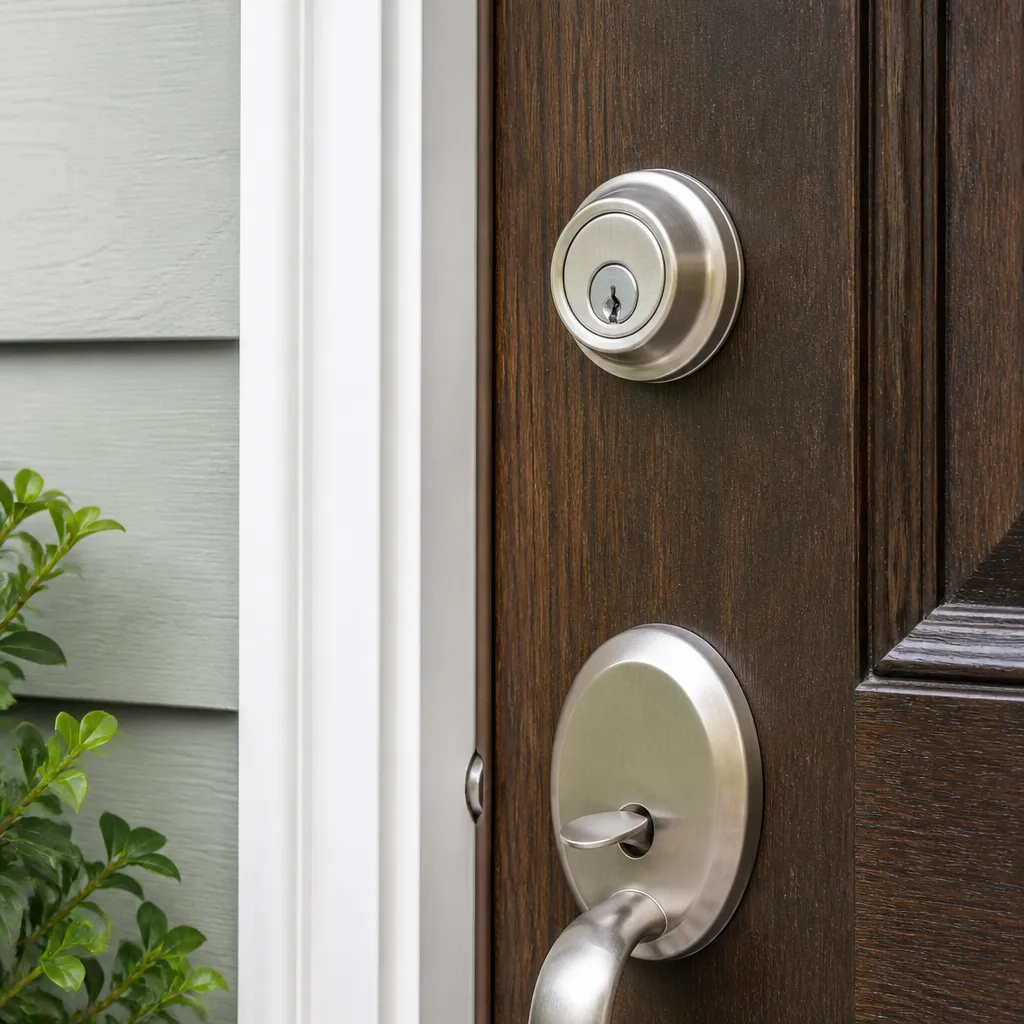 Deadbolt upgrades
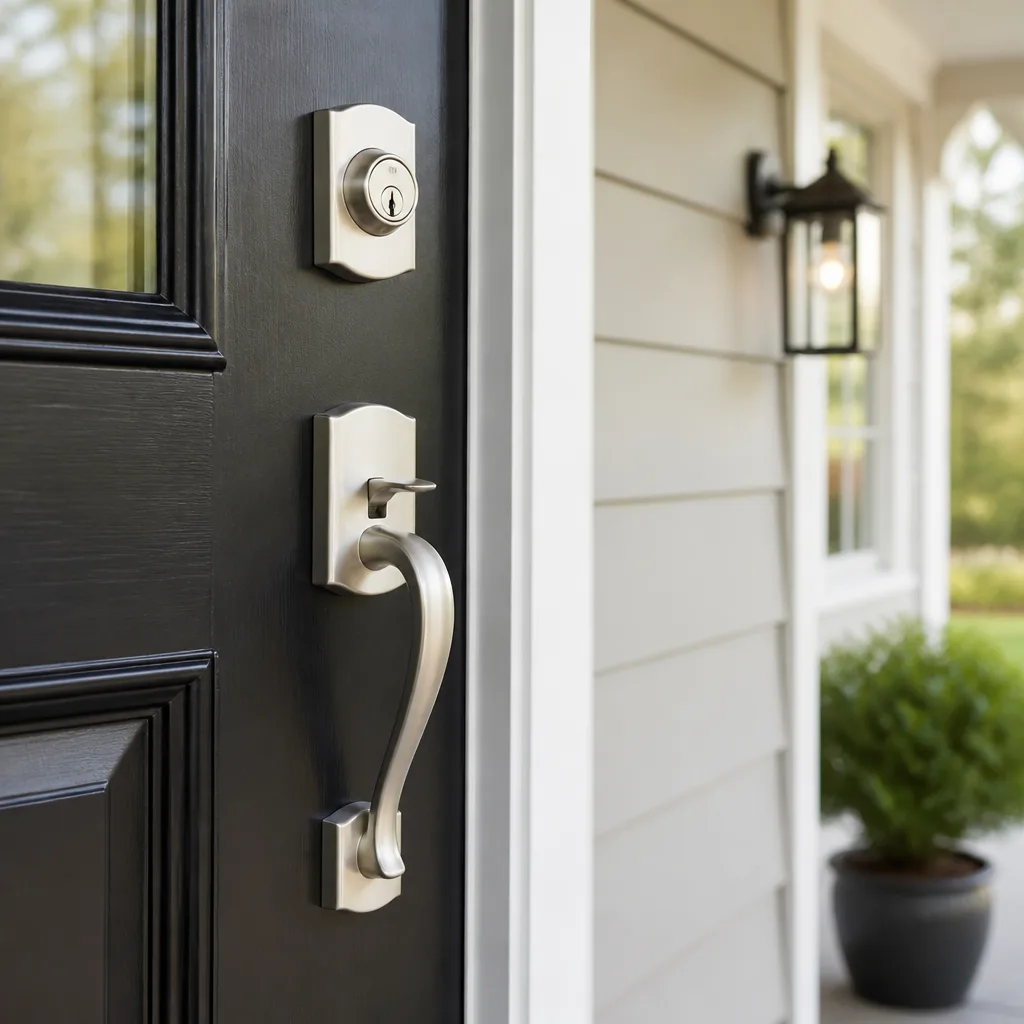 Schlage
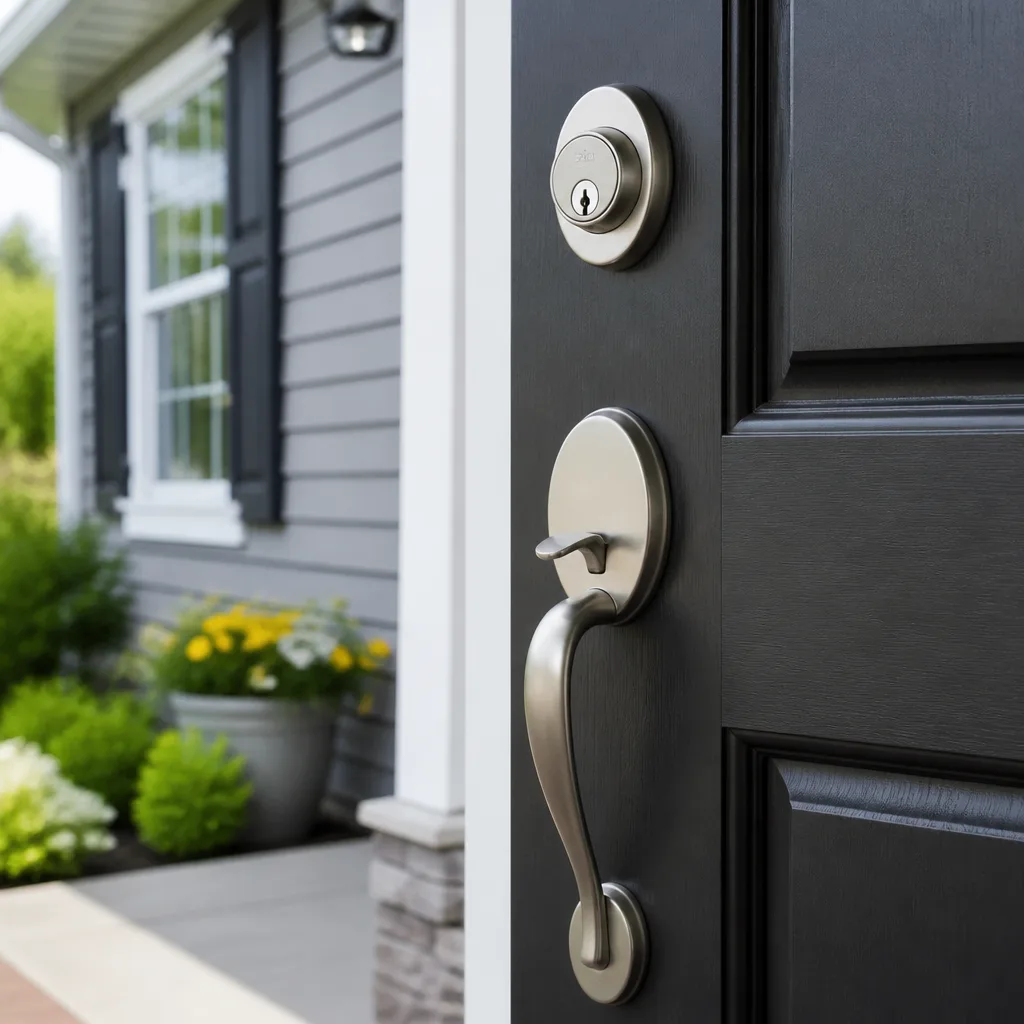 Kwikset
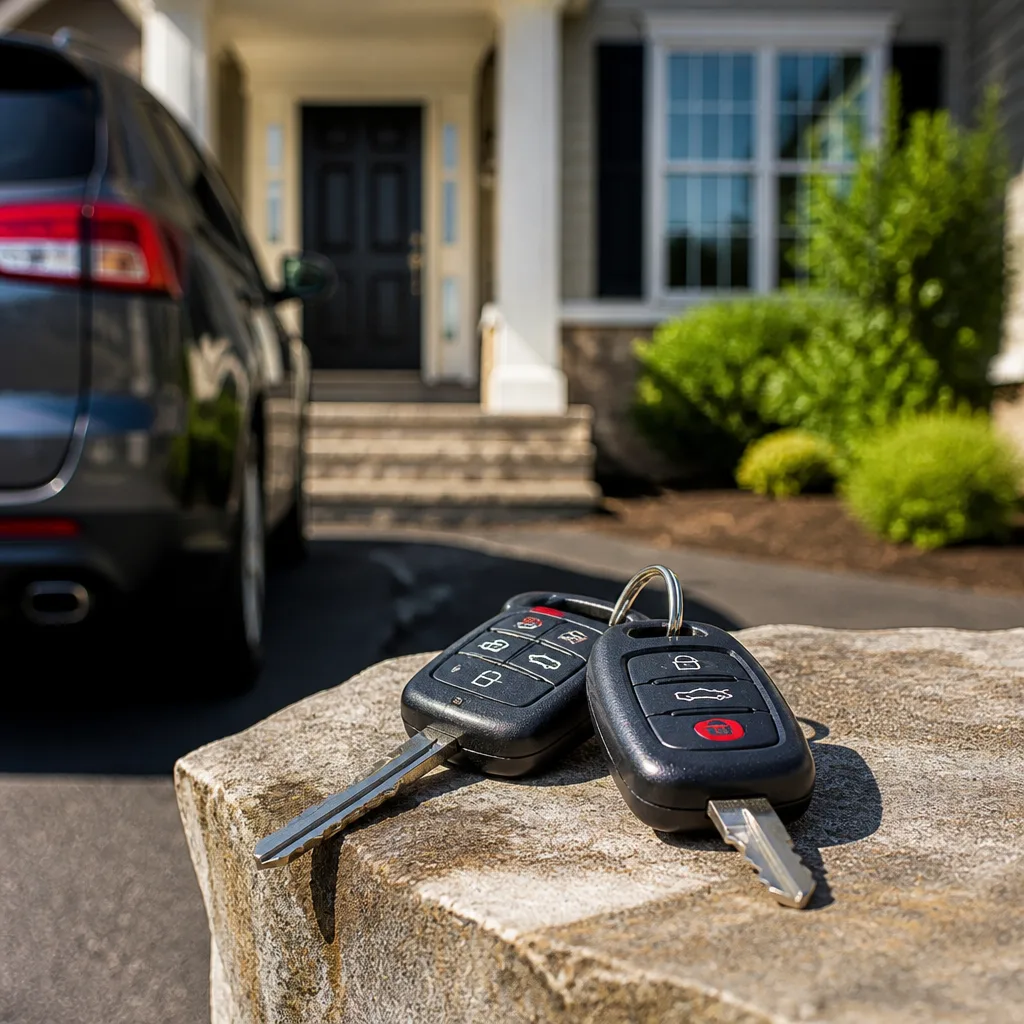 Car keys & fobs
Non-destructive entry first, always - and we re-key Schlage, Kwikset, and Baldwin locks on the spot while you watch
You get a price before we start. It does not change when we arrive. No surprises.
Get your free estimateSeasonal Locksmith Care for Portland: Year-Round Homeowner’s Guide
Portland’s freeze-thaw cycles are mild but unpredictable enough that residents don’t prepare for them. That’s exactly why a jammed deadbolt or a cracked door frame gasket tends to show up on the coldest morning of January rather than in November when it could have been addressed. This guide maps lock and hardware failure to Portland’s specific seasonal patterns so you can stay ahead of the weather instead of standing outside in it, and you can find more guides & resources on our blog. You’ll learn what to check each quarter, which lubricants actually work in damp cold, why west-facing doors act up in August, and when the right move is picking up the phone rather than the toolbox.
Styles & brands we work with
Quick Answer
Seasonal lock care in Portland means checking your deadbolts, strike plates, weatherstripping, and key action four times a year, with specific attention to the fall transition from dry to wet weather and winter’s damp cold. Most lockouts and jammed hardware in Portland homes trace back to door frame swelling, gasket compression, or wrong-lubricant buildup that a seasonal inspection would have caught, as detailed in our Car Key Replacement Maintenance Checklist for Portland Homeowners. A simple quarterly walk-through of all exterior doors takes 15 minutes and prevents the majority of hardware failures we see.
Table of Contents
- Why Portland’s Climate Is Harder on Locks Than Homeowners Expect
- Fall: Correcting Door Frame Swelling Before the Rains Set In
- Winter: Lubricant Choices for Portland’s Damp Cold
- Spring: The Post-Rain Inspection Checklist
- Summer: Thermal Expansion and High-Security Cylinders
- The Annual Lock Maintenance Log (And the Two Signs You’re Overdue)
- Common Mistakes to Avoid
- When to Call a Professional
- Frequently Asked Questions
- The Bottom Line
Why Portland’s Climate Is Harder on Locks Than Homeowners Expect
Portland sits in a marine west coast climate zone that sounds gentle on paper: wet winters, dry summers, occasional frost. But that combination is sneakier than a hard-freeze climate like Minneapolis or a dry-heat climate like Phoenix. Here’s why. In Portland, wood door frames absorb moisture from October through May, then dry out from June through September. That annual cycle of expansion and contraction shifts the position of your strike plate relative to your latch by fractions of an inch. A Schlage deadbolt has tight machining tolerances. A Kwikset latch needs aligned clearance to throw fully. When the frame moves even slightly, the lock mechanism gets asked to work against resistance it wasn’t designed for.
The frost events are the second problem. Portland gets maybe 20 to 40 nights below freezing each winter, usually scattered rather than sustained. That’s enough to freeze condensation inside an exterior lock cylinder or between the weatherstrip and the jamb. But it’s not consistent enough for homeowners to develop winter prep habits the way someone in Spokane or Boise would. The result: Portland residents get caught by cold snaps they didn’t see coming, and the hardware shows its complaints at the worst possible moment.
The third factor is specific to certain Portland neighborhoods. Homes in older east-side areas like Montavilla, Sellwood, and St. Johns often have original wood doors and frames that are 60 to 100 years old. Those frames have been through decades of wet-dry cycling. They move more than newer construction. Homes in west-side neighborhoods with heavier tree canopy, like Multnomah Village or the West Hills, deal with more shade and retained moisture, which slows drying in spring and keeps wood swollen longer. None of this means your locks are doomed. It means the maintenance schedule has to match the actual climate, not a generic national blog’s advice.
Fall: Correcting Door Frame Swelling Before the Rains Set In
Fall is the most important maintenance season in Portland, and it’s the one most people skip. Here’s the pattern we see every year from our work across the Portland metro area. During the dry summer months, wood door frames lose moisture and shrink slightly. Homeowners notice their doors suddenly latch easily in August and assume everything’s fine. Then the rains return in October and November. The frame absorbs moisture, swells, and the latch that worked in September starts binding in November. By December, the key turns hard, the deadbolt doesn’t want to throw, and eventually the door won’t open at all.
The fix in fall is to catch the frame at its driest point, before the rains reverse the equation. Here’s the step-by-step inspection we recommend:
- Test the latch with the door open. Turn the handle and watch the latch retract. It should move freely with no resistance. If it’s sluggish, the lock body itself needs cleaning or lubricating before the wet season loads it up further.
- Close the door slowly and watch the latch enter the strike plate. If the latch scrapes the edge of the strike plate hole or doesn’t seat fully, the frame has already shifted from summer drying. Make a note of whether it’s vertical or horizontal misalignment.
- Check the reveal gap around all four edges of the door. On a healthy door, the gap is roughly an eighth of an inch and consistent. If the gap is tighter at the latch side than at the hinge side, the door or frame has warped.
- Test the deadbolt with the door closed. Throw the bolt and feel for anything other than a clean, full engagement. If you have to lift the handle or push the door to get the bolt to throw, that’s the early warning sign of a future lockout.
- Examine the weatherstripping and door gasket. Compressed or torn weatherstrip lets rain drive against the latch and strike plate area, accelerating corrosion on the lock body and swelling in the frame.
The correction for minor strike plate misalignment is filed work with a small metal file, but for real frame swelling or warping, that’s where it’s worth having a locksmith from Northfield Lock & Key assess whether the strike plate needs repositioning or the frame needs adjustment. We see door frames in Portland that move enough over a single season that a homeowner’s best DIY effort won’t hold through the winter wet cycle. Getting it addressed in October beats standing in the rain in January.
Winter: Lubricant Choices for Portland’s Damp Cold
Winter is when lubrication mistakes show their consequences. Portland’s winter isn’t brutally cold, but it is persistently damp, and that combination kills certain lubricants. Here’s the blunt truth: oil-based lubricants are the wrong choice for exterior locks in this climate. WD-40 and similar penetrating oils do a fine job freeing a rusted mechanism temporarily, but they leave a wet film that attracts dust, grit, and road grime. Within weeks of a WD-40 application on a Portland exterior door, that film has picked up enough particulate to turn into a grinding paste inside the cylinder. The lock ends up worse than it started.
What works in Portland’s damp cold:
- Graphite powder: The classic dry lubricant for lock cylinders. It doesn’t attract grit, doesn’t freeze, and performs consistently in cold damp air. The caveat: use pure graphite powder, not a graphite-oil blend. Apply it sparingly through the keyway and work the key in and out a dozen times.
- Teflon-based dry lubricant (PTFE): Available in spray form at hardware stores. It goes on wet, dries to a slick film, and resists both moisture and grit pickup. Good choice for Portland exterior hardware because it won’t gum up in the cold or wash away in the first rain.
- Silicone-based lubricant: Best for weatherstripping, door gaskets, and the hinge side of the assembly rather than the lock cylinder itself. Keeps rubber flexible through freeze-thaw events.
What to avoid in Portland specifically:
- Oil-based sprays (WD-40, 3-in-1 oil): They attract dirt and gum up cylinder pins. We open doors every winter in Portland where a homeowner’s November “quick fix” with penetrating oil became a January lockout.
- Heavy greases: They thicken in cold temperatures and can make key insertion stiff enough to feel like the lock is failing.
- Bargain graphite blends: Some cheap graphite powders cut the graphite with clay or talc. Read the label. It should say 100% graphite.
The winter flush-and-lube is a 10-minute job per door: work a small amount of dry lubricant into the keyway, cycle the key 10 to 15 times, wipe the key clean, and repeat once. Then test the deadbolt from inside and outside. If the key still turns hard after a proper dry lube, the cylinder’s pins or springs are worn, not just dry—see our Car Key Replacement Troubleshooting: Common Problems and How to Fix Them for more diagnostic help. That’s a repair call, not a lubrication call. Our emergency locksmith work in Portland peaks during the first hard frost of the season, and a share of those calls are locks that just needed the right maintenance in November instead of the wrong lubricant in October.
Spring: The Post-Rain Inspection Checklist
By March, Portland’s exterior hardware has been through five months of near-continuous moisture. Springs in Portland are when we see two things consistently: corroded deadbolt components on older homes, and strike plate alignment problems that trace back to fall swelling that was never corrected. The spring inspection is about damage assessment and correction before the dry season locks in whatever misalignment is currently present.
Here’s the post-rain inspection checklist:
- Check every exterior strike plate for rust or corrosion. Look at the screws too. Rust on the strike plate doesn’t just look bad. It changes the surface friction the latch runs against and accelerates wear on the latch face. If the screws are rusted, the strike plate is a loose coin flip away from stripping out of the jamb.
- Test the deadbolt alignment from both sides of the door. Insert the key from outside, throw the bolt fully, then check the interior thumb turn. The bolt should move through its full travel with consistent effort. If the interior thumb turn is stiff while the key side is fine, the tailpiece or bolt housing is binding on a swollen frame.
- Examine the weatherstripping compression along the latch side. Look for compression set: places where the gasket is permanently flattened. A flattened gasket lets rain and cold air channel directly at the strike plate area, which is how you get winter corrosion in the first place.
- Check the bottom sweep or threshold seal. Portland’s rain runs down the face of the door and collects at the threshold. If the sweep is cracked or the threshold seal has gaps, moisture wicks up into the door bottom and eventually reaches the latch and deadbolt mechanicals.
- Run through every key on your ring. A key that works hard in one lock and fine in another is telling you something about that specific cylinder. Duplicate keys cut from a worn original can damage pin tumbler cylinders over time, and the damage shows up as progressive stiffness.
- Lubricate every exterior cylinder with dry graphite or PTFE. This is also the right time of year to do it, because the dry season is when you want the lock running clean, not fighting its lubricant through another wet winter.
If this spring checklist turns up rust on a deadbolt faceplate, a strike plate that’s shifted, or a key that turns with increasing effort, don’t wait until fall. The dry summer will bake in the current alignment. Fixing it in March or April means the frame and lock are settled in the right position when October rains return. Our rekeying work in Portland also spikes in spring, when renters are moving and landlords are turning over units. If you’re a property owner, pairing a spring rekey with a hardware inspection on each unit is a practical way to catch small issues before they become tenant lockouts. Rekeying locks is a security reset that costs a fraction of replacing hardware, and it’s the right moment to address alignment and lubrication while the cylinder is already out of the door.
Summer: Thermal Expansion and High-Security Cylinders
Portland summers are getting hotter, and that’s changing how we think about lock maintenance. Since 2015, the city has seen a steady increase in days above 90°F, and the 2021 heat dome pushed temperatures into territory nobody’s hardware was designed around. For most locks, heat is a non-issue. For high-security cylinders with tighter tolerances, it’s a different conversation.
High-security cylinders from brands like Medeco, Mul-T-Lock, and Abloy are machined to considerably tighter clearances than a standard Schlage or Kwikset cylinder. That tightness is what gives them their pick resistance and key control. It also means they’re more sensitive to thermal expansion. Metal expands when heated. A brass cylinder body and steel pins expand at slightly different rates. In a doorway that faces west or south in Portland, where afternoon sun pounds the lock face for hours in July and August, that differential expansion can make a high-security key insert stiff or bind slightly.
This isn’t a design flaw. It’s physics. We see it most often on west-facing front doors in neighborhoods like Goose Hollow, Ladd’s Addition, and the Alphabet District, where older homes have solid wood doors that absorb solar heat all afternoon. The key sticks a little going in. The owner assumes the cylinder is failing. Usually, it just needs a dry lube and a check of whether the cylinder is mounted flush. Sometimes the fix is as simple as a slightly looser tailpiece or a fresh collar that lets the cylinder sit properly in the door.
What you can do in summer:
- Note which doors get afternoon sun. West and south exposures are the ones that matter. East-facing doors get morning sun that’s weaker and shorter. North-facing doors rarely see this problem.
- Lubricate heat-facing cylinders with a dry PTFE at the start of the warm season. PTFE handles a wider temperature range than graphite alone and stays slick when the lock face is hot to the touch.
- Don’t force a key that’s binding in heat. Forcing a high-security key against a pin that’s tight from thermal expansion can bend or shear the key. Wait for the door to cool, try again, and if it’s still tight, call us.
- If you have a Sargent or Abloy cylinder on a commercial door, check it in the afternoon. Commercial doors in Portland get used more heavily than residential doors, and heat-load plus heavy use is the combination that reveals a cylinder that needed service anyway.
For most Portland homeowners, summer maintenance is the easiest season. The door frame is at its driest, the latch is at its freest, and the only real task is keeping high-heat hardware lubricated and cycling keys periodically so pins don’t seize from disuse. If a lock doesn’t get used for months, especially a back door or garage side door, the pins can stick in their chambers. Using every exterior door at least once a week through summer is free maintenance that prevents a seized cylinder in fall.
The summer is also a practical time to handle car key work. Portland’s dry season means no one is standing in a parking lot in the rain while a key gets cut. If you’ve been putting off getting a spare key made, or if you have a car key that’s getting loose in the ignition, summer is the window. On-site car key replacement means you skip the dealership markup and get a key cut and programmed at your home or office, usually in less time than a dealer appointment takes to schedule.
The Annual Lock Maintenance Log (And the Two Signs You’re Overdue)
We recommend keeping a one-page lock maintenance log for every exterior door in your Portland home. It doesn’t need to be elaborate. A sheet of paper on the inside of a kitchen cabinet works. What matters is that you record the date of each seasonal check and any observations. Here’s the format we use with clients who want a simple written record:
| Exterior Door | Fall (Oct) | Winter (Jan) | Spring (Apr) | Summer (Jul) |
|---|---|---|---|---|
| Front door | Lube, align check | Graphite, key test | Strike plate, rust check | PTFE, thermal check |
| Back door | Lube, align check | Graphite, key test | Strike plate, rust check | PTFE, thermal check |
| Garage side door | Lube, align check | Graphite, key test | Strike plate, rust check | PTFE, thermal check |
| Basement / exterior apt | Lube, align check | Graphite, key test | Strike plate, rust check | PTFE, thermal check |
You don’t need four copies. One log with four columns per door is enough. The point is that you can look back and see whether a particular door keeps showing up with the same problem. A door that needed strike plate adjustment in fall 2024 and again in fall 2025 is telling you the frame itself is moving and probably needs a more substantial correction than another file job.
There are two signs that mean you’re overdue for professional service regardless of the season:
- Increasing key force. If the key needs more and more effort to turn over weeks or months, something is wearing or binding. Healthy cylinders turn with consistent, moderate force. A slow increase in stiffness is the mechanical equivalent of a check-engine light. It doesn’t fix itself.
- Latch hesitation. If the latch doesn’t retract instantly when you turn the handle or thumb turn, there’s mechanical resistance somewhere in the lock body or the strike plate engagement. A healthy latch is crisp. A hesitant latch is friction, and friction worsens with time, not the reverse.
We also recommend pairing your log with an annual security assessment. Walk the perimeter of your home in spring and ask what each exterior door actually needs. Not every door needs an Abloy cylinder or a Medeco deadbolt. Some doors need a fresh Schlage deadbolt and a properly aligned strike plate. Some need the frame repaired and the existing hardware left alone. The right lock for the right door is an assessment question, not an upsell question, and that’s exactly what Northfield Lock & Key home service work is built around.
Common Mistakes to Avoid
- Using WD-40 on exterior locks in Portland. It’s the single most common lock mistake we see, and it’s always the same story: the lock was sticking, someone sprayed it, it worked for three weeks, then it got worse. Portland’s damp air turns penetrating oil into grit paste. Use dry graphite or PTFE instead.
- Ignoring fall frame swelling until the lockout happens. The door latches fine in September, binds in November, and won’t open in January. By the time the lockout happens, the fix usually requires a locksmith visit on top of the alignment work that could have been done in fall at a planned time.
- Forcing a key that resists. When a key is stiff and you force it, you’re bending the key or damaging the pins. A worn key in a tight cylinder is a broken key waiting to happen. If it doesn’t turn with moderate pressure, stop and address it.
- Skipping the garage side door and back door in seasonal checks. Most Portland homes have two or three exterior doors, and the ones that get used least are the ones that seize first. The back door that’s been ignored since last spring is the one that won’t open when the front door is blocked.
- Replacing every lock when the issue was something else. A misaligned strike plate, swollen door frame, or compressed weatherstrip can make a perfectly good lock act broken. Replacing the lock without fixing the alignment just installs a new lock into the same problem.
- Lubricating with graphite over old oil residue. Graphite and oil don’t mix. If a cylinder has been oiled in the past, adding graphite creates a thick paste that seizes pins. Clean the cylinder first or use a Teflon spray that can cut through the residue.
- Waiting until winter to test exterior locks. The first freeze of the season is the worst time to discover that a cylinder was binding. Test everything in October, while it’s still pleasant to stand at the door for 10 minutes.
When to Call a Professional
Some seasonal maintenance is a homeowner job. Some is not. Call a locksmith when the key turns hard after proper dry lubrication, because that points to worn pins or a failing cylinder. Call when the door binds and no amount of seasonal adjustment corrects it, because frame movement in older Portland homes often needs a new strike plate location or frame hardware work. Call when you’ve had a break-in or lost a key and need the security reset that only a rekey can provide. And call when you’re simply not sure what the right fix is. Northfield Lock & Key offers free estimates in Portland; call (855) 341-3373 and describe what’s happening, and we’ll tell you straight whether it’s a service call or a screwdriver job you can handle in 10 minutes.
For emergency lockouts, the situation is what it is. If it’s after dark, cold, and you’re standing outside your own home or car, that’s not the moment for a YouTube tutorial. Emergency locksmith response in Portland is exactly what a lockout calls for, and it’s one of the three things we do in-house, alongside car key replacement and rekeying.
Frequently Asked Questions
Lubricate your exterior locks twice a year in Portland: once in fall before the rains set in, and once in spring after the wet season ends. Use dry graphite or PTFE-based lubricant. If a lock sits unused for months, cycle the key through it periodically to keep the pins from sticking.
Portland’s winter problem isn’t extreme cold, it’s sustained dampness combined with occasional frost. Wood door frames absorb moisture through the wet season and swell, shifting the strike plate relative to the latch. When frost hits, any condensation inside the cylinder freezes and compounds the alignment resistance. The fix is usually fall alignment correction before the frame swells.
No. WD-40 is a penetrating oil that attracts grit and turns into paste in Portland’s damp climate. It may temporarily free a sticky lock, but it shortens the life of the cylinder. Use pure graphite powder or a Teflon-based dry lubricant instead.
Rekeying costs a fraction of replacement and delivers the same security result: old keys stop working, new keys work. Rekeying locks is the right choice when your existing hardware is in good mechanical shape and you just need to reset who has access. Replacement is right when the hardware itself is worn, rusted, or you want to upgrade the security level.
Open the door and operate the lock. If the key turns freely and the latch moves crisply with the door open, but binds when the door is closed, it’s an alignment or frame issue. If the key turns hard or the latch hesitates with the door fully open, the problem is inside the lock body or cylinder.
Yes. Northfield Lock & Key works across eight lock brands, from everyday residential hardware like Schlage and Kwikset to professional high-security systems including Medeco, Mul-T-Lock, Abloy, and Sargent. High-security cylinders require specialized training and tooling, and we service them correctly rather than treating them like standard hardware, which is why Choosing the Right Locksmith Brand: A Buyer’s Guide for Portland matters for your home’s security.
The Bottom Line
Portland’s climate creates a predictable pattern of lock and door hardware stress, but most homeowners don’t see the pattern until a lockout makes it unavoidable. The wet season swells door frames and corrodes hardware. The dry season locks in whatever misalignment exists. Frost events catch people unprepared. A quarterly walk-through of every exterior door, with the right dry lubricant and a sharp eye for strike plate alignment and weatherstrip condition, prevents the large majority of what we get called for in Portland during the worst weather of the year. And when the pattern points to something a homeowner shouldn’t fix themselves, the phone call is simpler than the alternative.
If your seasonal inspection turns up a door that’s binding, a lock that’s stiff, or a key that’s getting harder to turn, call Northfield Lock & Key at (855) 341-3373 for a free estimate. We’ll tell you what’s actually wrong and what it actually needs, whether that’s a 10-minute rekey or a full hardware upgrade. Security that fits your actual situation, from Kwikset to Abloy.
Written by the team at Northfield Lock & Key, serving Portland since 2012.